Who Really Invented Tea?
Is tea originally from China or India? The answer is far more complicated than a simple map location. Explore the botanical travels and historical market pivots that re-engineered the global tea trade.


Throughout my years living and traveling abroad, there is one question that my foreign friends continuously ask me:
“Wait... is tea originally from China or India?”
The first time I was asked this, I actually found myself second-guessing my own reality. Wait, could tea actually have originated in India?
I hesitated because if you walk into any supermarket in London, Paris, Amsterdam, or New York, the premium shelves are completely dominated by British branding: Earl Grey, English Breakfast, Darjeeling, and Ceylon.
India and Sri Lanka are such massive global powerhouses for tea today that, geographically and culturally, the modern world has wedded high-end tea culture to South Asian terroirs.
But when you look at the actual timeline, the fact that the origin of tea is even up for debate is the real mystery.
Did India or China Invent Tea?
China’s relationship with tea spans thousands of years. It evolved from an ancient herbal medicine into a deeply sophisticated cultural art form, culminating in the Tang Dynasty with Lu Yu (陆羽)’s The Classic of Tea (茶经, 760 A.D.)—the world's first book dedicated to tea culture.
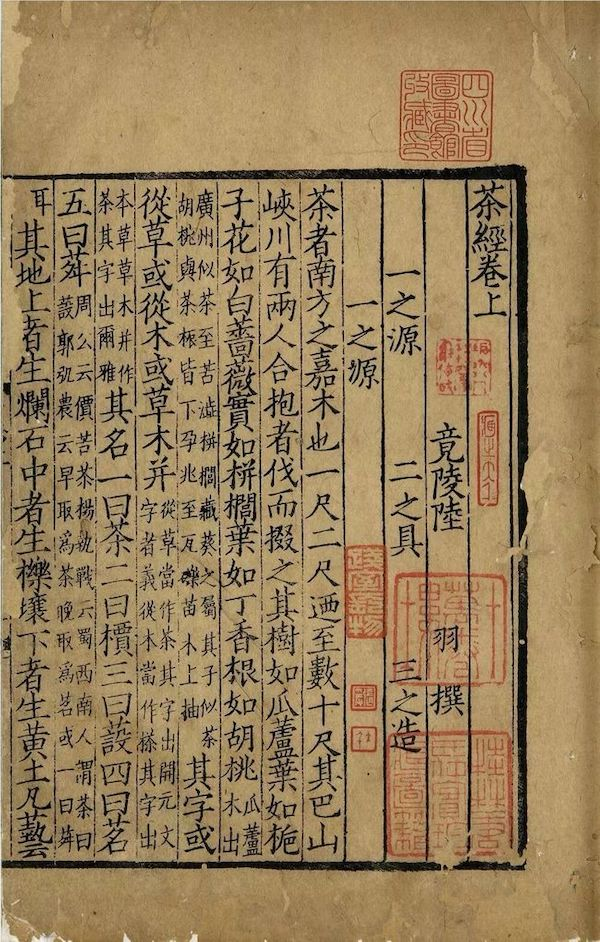
By the Song and Ming dynasties, centuries before the West arrived, China had already highly industrialized the cultivation, processing, and foreign trade of green, black, and oolong teas.
In stark contrast, India’s history of large-scale, commercial tea production didn't even exist until the mid-19th century. While native wild tea trees had been used for centuries by indigenous tribes in the Assam region, they were never cultivated or commercialized.
So how does China, a civilization with thousands of years of deeply established tea history, lose the narrative monopoly to India's plantation system that is barely two centuries old?
The answer lies in a masterclass of 19th-century industrial espionage, a brilliant public relations pivot, and a Scottish botanist named Robert Fortune.
How Robert Fortune Stole Chinese Tea Technology
In the early 1800s, the British Empire faced a massive geopolitical headache: China held a strict, absolute monopoly on tea production. The British public’s massive demand for it was draining the Empire’s silver reserves, creating a catastrophic trade deficit.
The British East India Company tried to fix this by smuggling opium into China to balance the books, but they also had a secret backup plan: If you can't control the market, steal the technology.
British National Army Museum | The First Opium War
In 1848, the East India Company hired Robert Fortune, a brilliant botanist with a knack for high-stakes espionage. His mission was to infiltrate China's heavily guarded inland tea regions—places strictly forbidden to foreigners.
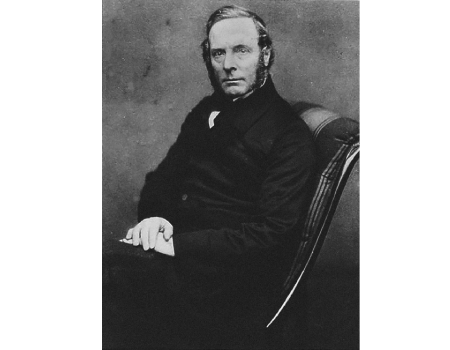
Shaving his head, attaching a false queue, and donning the silk robes of a mandarin from a distant province, Fortune slipped past imperial guards into the restricted tea hills of Anhui and the Wuyi Mountains.
Fortune wasn't just collecting seeds; he was studying tightly guarded processing techniques and recruiting experienced local tea masters. Over the course of his travels, he managed to ship over 20,000 tea plants and seedlings via Hong Kong to the foothills of the Indian Himalayas.
Within decades, the massive plantations of Assam and Darjeeling were established, completely changing the geography of global tea production.
BBC | A Clever Box - designed in the 1830s to help plants survive long journeys - revolutionised much more than botany
How Black Tea Became Popular in the West
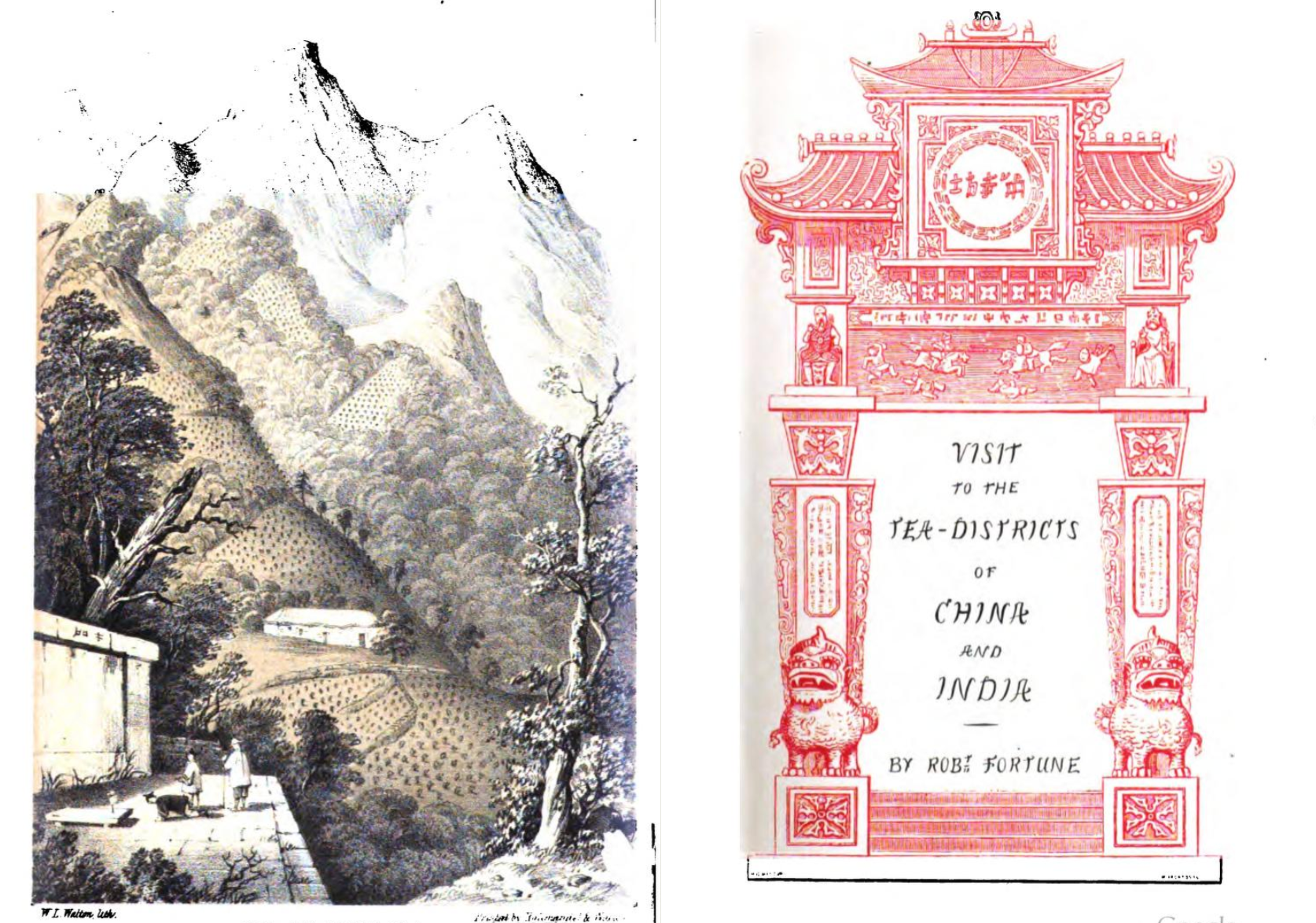
After his travels, Fortune became a successful author, publishing five incredibly detailed travelogues that offer a fascinating time capsule of the era. He wrote with meticulous detail about everything—including his intense anxiety over whether his clumsy grip on chopsticks would blow his cover to the locals.
But one specific detail he uncovered accidentally changed Western culinary habits forever.
In the 19th century, European consumers demanded uniformly bright green tea. To satisfy this aesthetic preference, export workshops would dust the dried leaves with Prussian Blue (a toxic chemical dye) and gypsum to keep them looking vibrantly green after the long sea voyage. Fortune noted that the Chinese never drank this dyed tea themselves; it was manufactured exclusively for export markets.
When Fortune exposed this process in his books, it sparked a massive food safety scare in Europe. The British market capitalized on this anxiety, heavily promoting British-grown Indian black tea as the pure, clean, and modern choice.
This historical PR pivot engineered by Fortune is the exact reason why black tea, rather than green tea, became the undisputed staple of Western afternoon tea, seamlessly shifting consumer loyalty away from traditional Chinese varieties.
Horniman Museum | Chinese Tea and the Crisis of British Identity
Is Matcha or Bubble Tea Chinese?
The legacy of this historical shift still creates some incredibly fascinating paradoxes in today's global market.
To this day, China actually remains the world’s largest exporter of tea by sheer volume. However, its export structure is heavily lopsided. When it comes to black tea, China simply cannot compete with the global brand power of Indian, Sri Lankan, or British corporate giants. Instead, the vast majority of China's exports consist of green tea sold as a low-cost, bulk agricultural raw material.
This narrative imbalance extends to another global trend: Matcha.
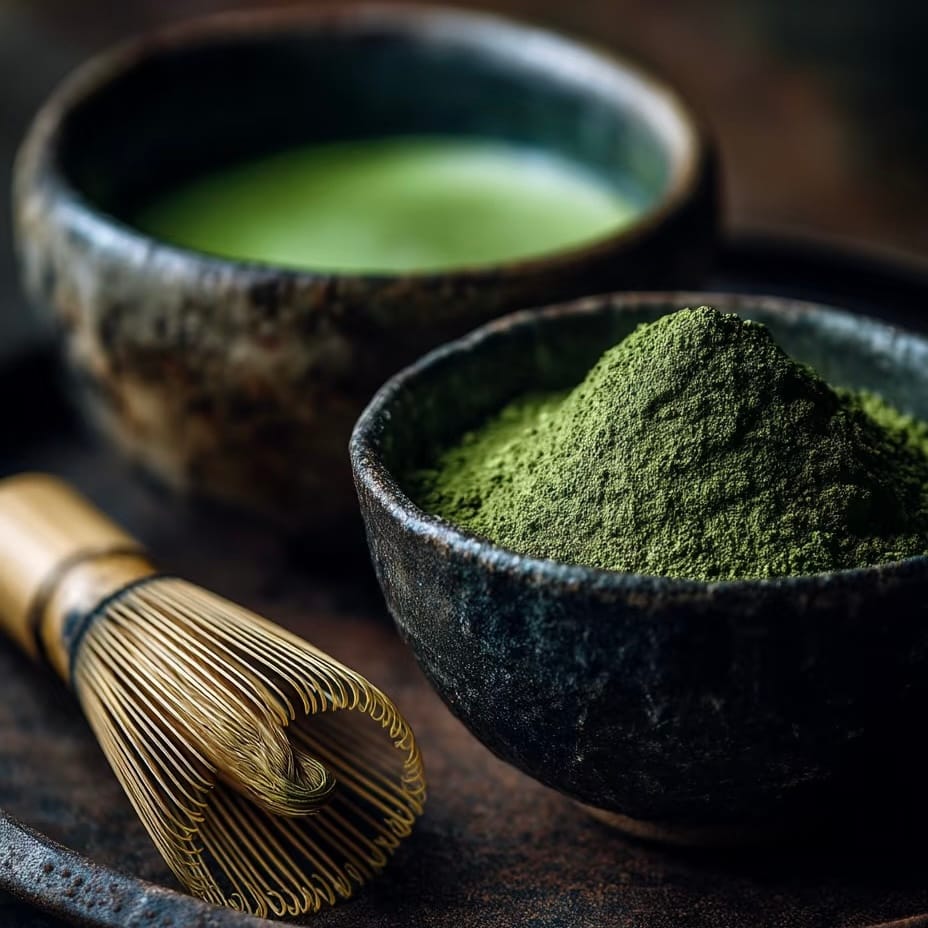
Most global consumers view Matcha as the pinnacle of Japanese aesthetic and culinary culture.
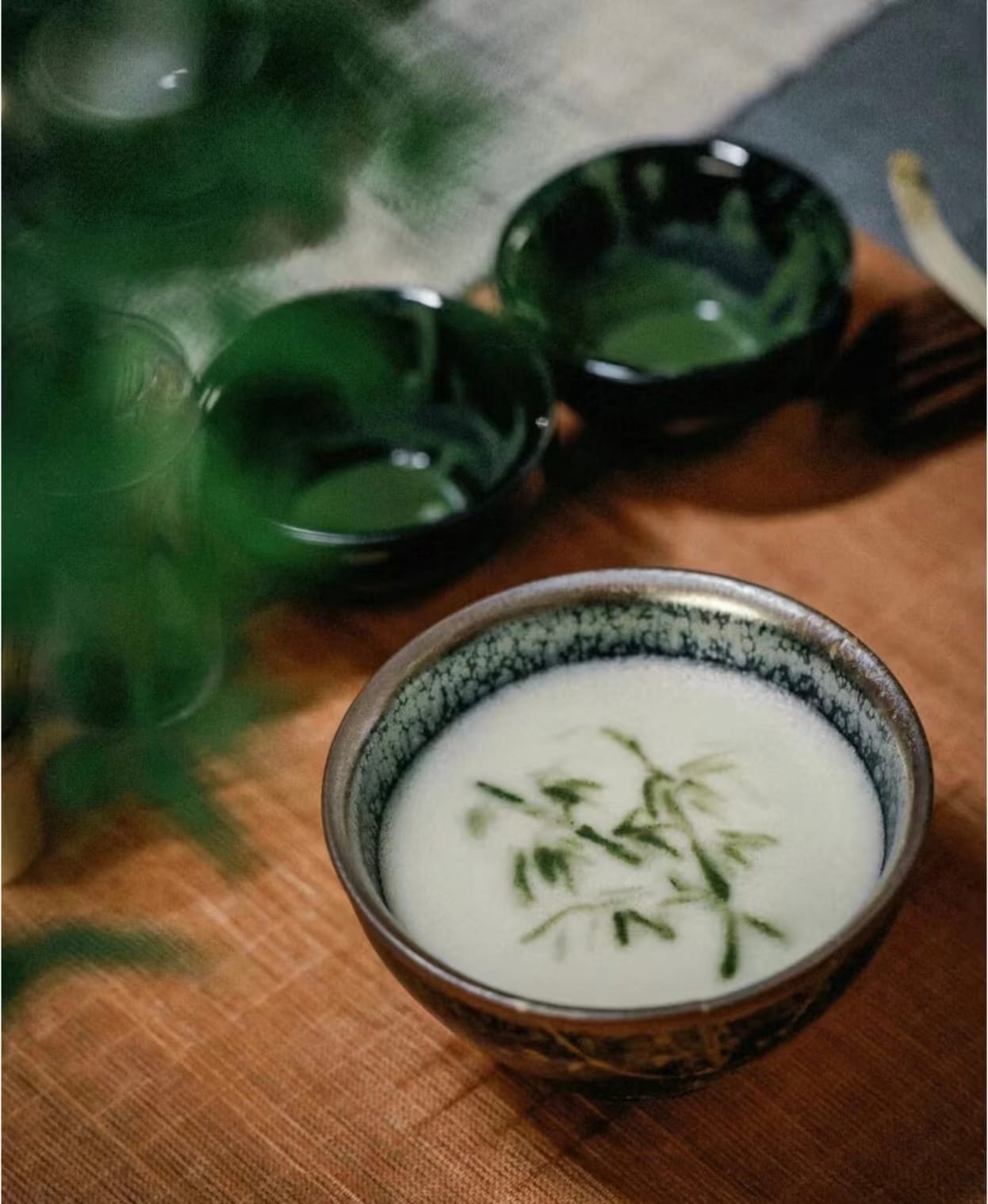
Yet, historically, the method of grinding green tea into a fine powder and whisking it into a brilliant froth—known as Dian Cha (点茶)—was perfected during China's Song Dynasty.
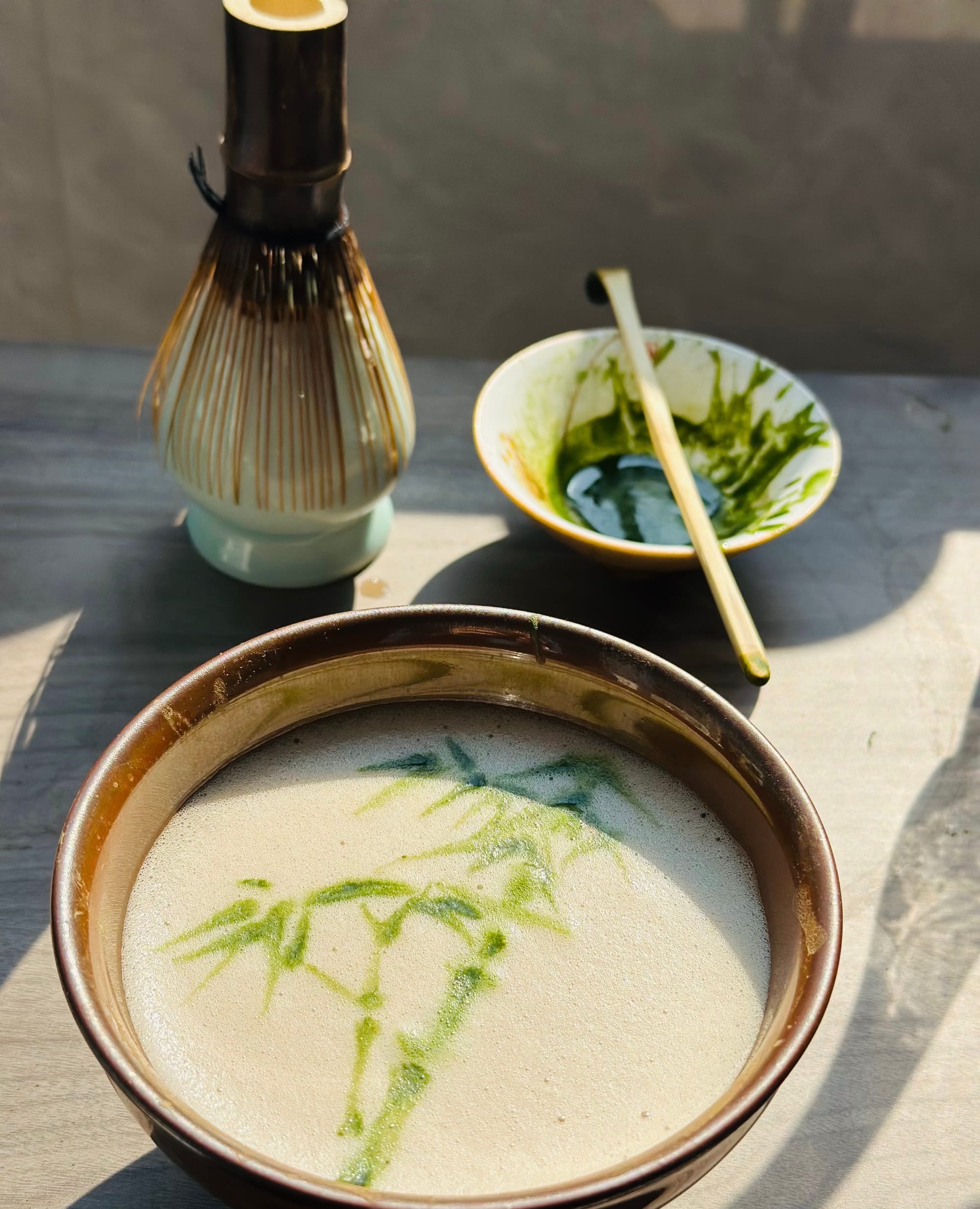
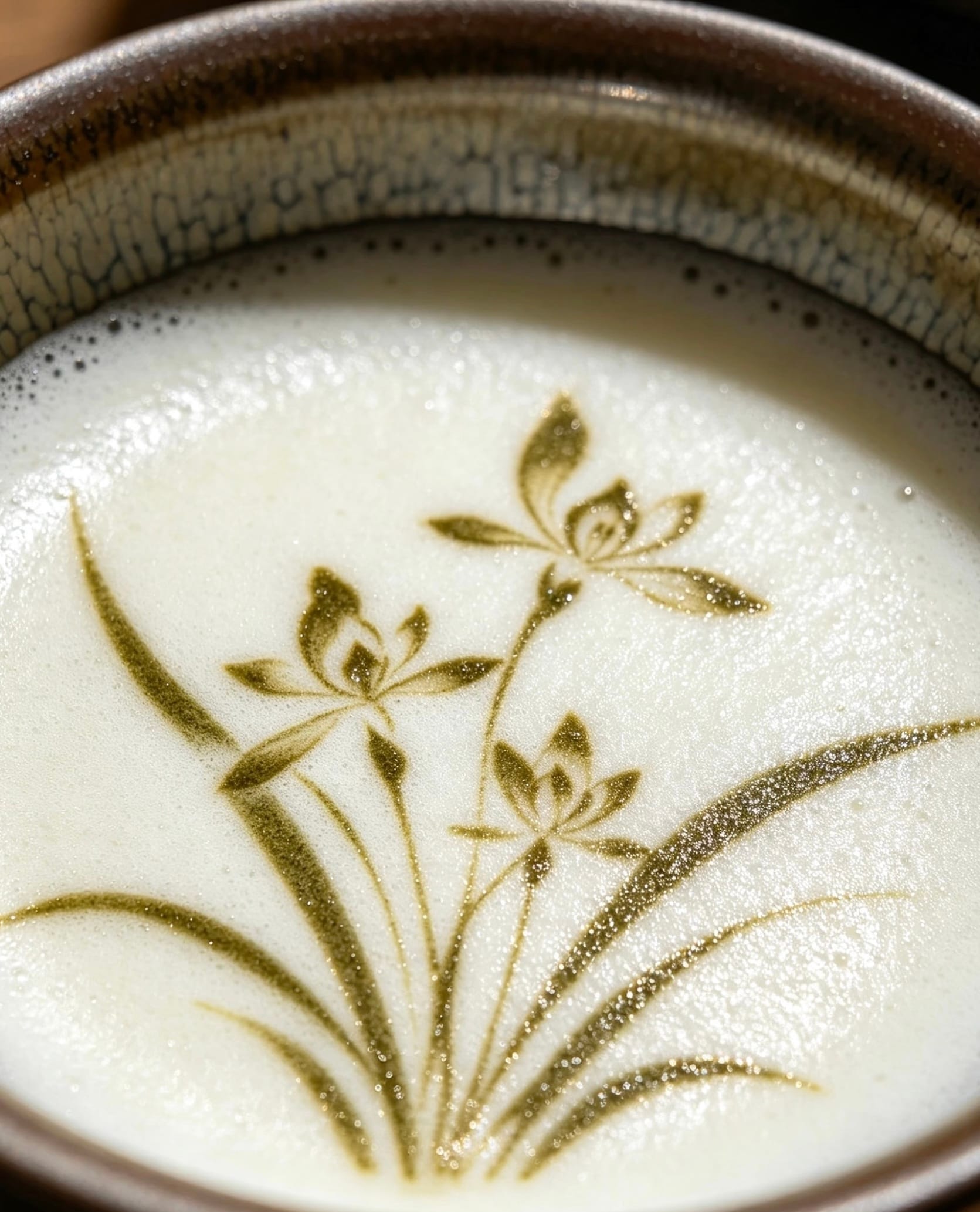
The art of Dian Cha
The absolute blueprint of Matcha—its cultivation, processing secrets, and Zen rituals—originated not in Japan, but deep within the monastic mountains of Jingshan, Hangzhou (杭州径山), the imperial capital of China’s Southern Song Dynasty.
At the time, Jingshan Temple stood as the supreme intellectual and spiritual powerhouse of the empire, revered as the head of the "Five Mountains" with profound influence over both Linji Zen and Tiantai Buddhism.
In the 12th century, Japanese Buddhist monk Eisai (栄西) traveling to Jingshan to study Zen Buddhism fell in love with this ritual and carried the seeds, tea bowls, and whisking techniques back to Japan, where it was beautifully preserved and eventually repackaged as a global premium lifestyle brand.
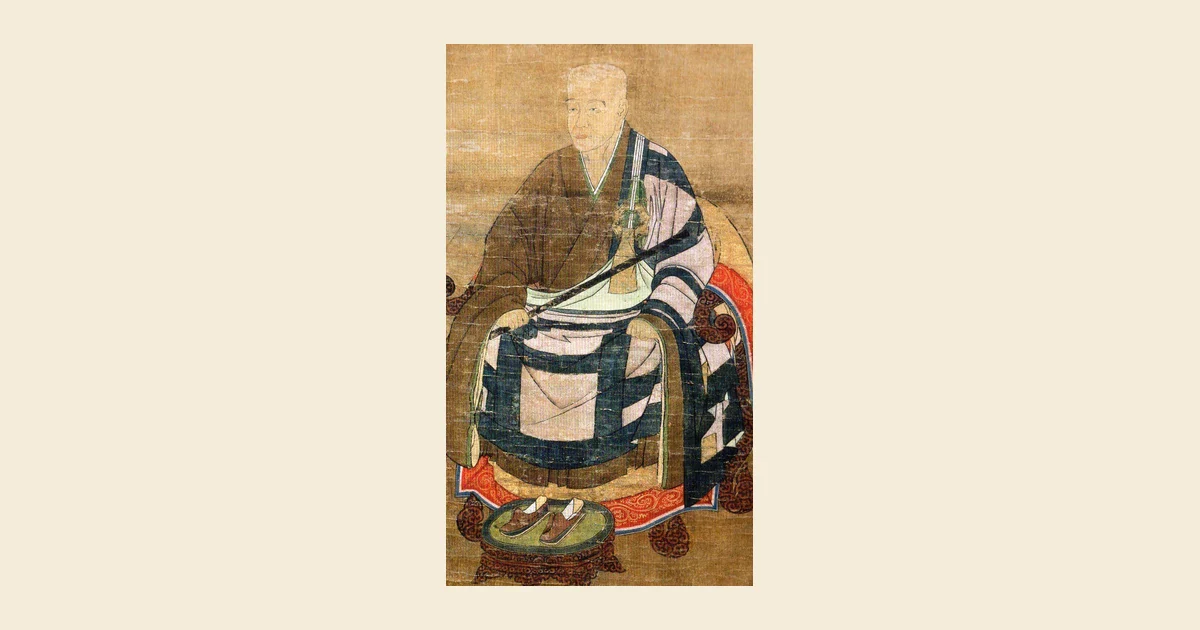
Britannica | Matcha, Powdered Green Tea of Japanese origin by way of China
Meanwhile, back in China, the domestic market shifted towards loose-leaf brewing during the Ming Dynasty. This pivot to loose leaves accidentally made the plant much easier for Western traders to transport, ferment, and eventually—industrialize into the black tea we know today.
This brings us to The Milk Tea Irony: Even more surprising is that China's own booming modern milk tea and bubble tea industry now heavily relies on imported black tea from India and Sri Lanka to meet the massive demand for these industrial tea bases.
When you queue up for a trendy boba tea, it feels like participating in a cutting-edge, modern Asian cultural phenomenon. Yet, the underlying supply chain still quietly runs on the global tracks laid down by colonial trade nearly two centuries ago.
Chinese Tea as a Spiritual Art
To truly understand Chinese tea, you have to look past the industrial paper teabag and look beyond the Western concept of tea as a mere beverage or social break.
In its birthplace, the philosophy of tea is embedded right into the language itself. The Chinese character for tea, 茶 (chá), is a beautiful visual composition split into three parts: the top represents grass or plants (艹), the middle represents humans (人), and the bottom represents trees or wood (木).
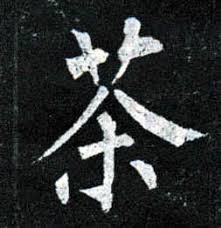
Literally translated, the word itself places humanity right in the middle of nature, standing between the wild flora and the grounded earth - the harmony between human and nature.
This encapsulates the essence of Chinese tea culture: it is a meditative, elegant practice closely tied to Zen Buddhism and Taoist spirituality. It is an exercise in mindfulness.
Chinese connoisseurs do not judge tea by how well it pairs with milk or sugar; they judge it by its terroir—the unique alignment of soil, mountain mist, the exact day of the spring harvest, and the master's touch during hand-roasting.
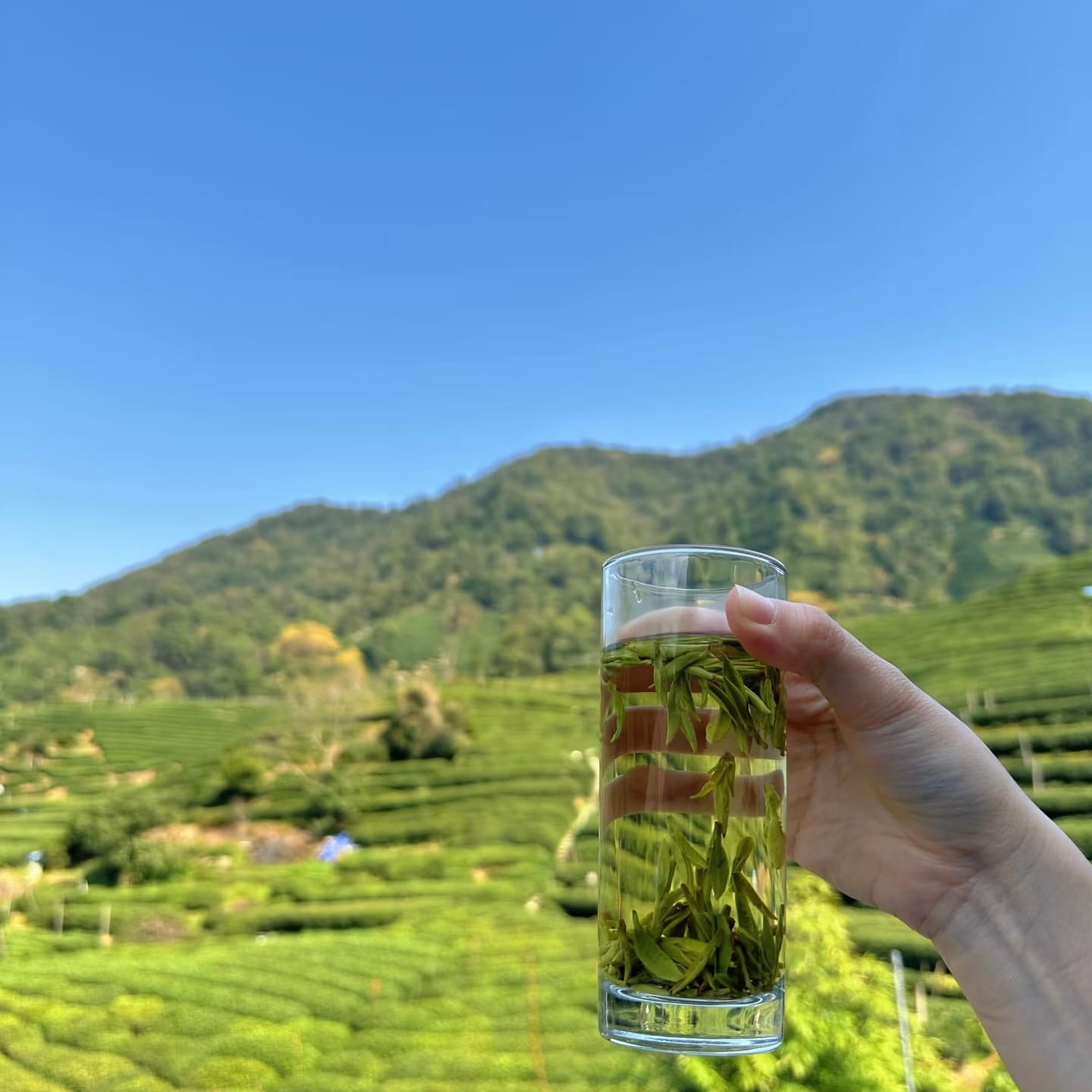
When you brew a glass of high-grade Chinese green tea, you use loose leaves in a transparent glass or a tiny clay pot. You watch the leaves dance, unfurl, and breathe. The experience is designed to engage all five senses, offering a quiet, reflective space to slow down and align your internal rhythm with nature. It is a spiritual dialogue between the drinker, the leaf, and the mountain it came from.
Tea Landscapes to Explore in Hangzhou
For any traveler looking to experience the living history and spirituality of this trade, the mists and mountains of Hangzhou serve as the ultimate pilgrimage site.
1. Longjing (龙井; Dragon Well) Village
When China ranked its "Ten Great Teas" in 1959, West Lake Longjing (西湖龙井) was placed squarely at number one. Its supremacy as the King of Green Tea boils down to three ultimate selling points:
- The Blueprint of Zen Tea Culture: Longjing embodies the philosophical ideal of Cha Chan Yi Wei (茶禅一味—Tea and Zen are of one flavor).
- The Unfair Geographical Advantage: Longjing is always the first premium green tea to hit the market each spring. Historically, being situated at the southern terminus of the Grand Canal meant fresh Longjing could be hand-roasted and delivered to the empire’s elite within days, long before landlocked mountain teas even woke up.
- A Scientific Flavor Paradox: Fed by a perfect 16°C microclimate, the local acidic soil is uniquely rich in Molybdenum (Mo) and Zinc (Zn). These trace elements trigger a massive concentration of amino acids, creating Longjing's legendary, crisp umami. Scholars describe its orchid-scented brew as the "flavor of no flavor"—a subtle, gentle sip that transforms into a lingering, sweet sense of harmony (Taihe) in your mouth.
Today, you can hike the emerald terraces of Shifeng, watch local masters hand-press leaves in searing iron woks, and taste the exact cup that crowned Chinese tea culture.
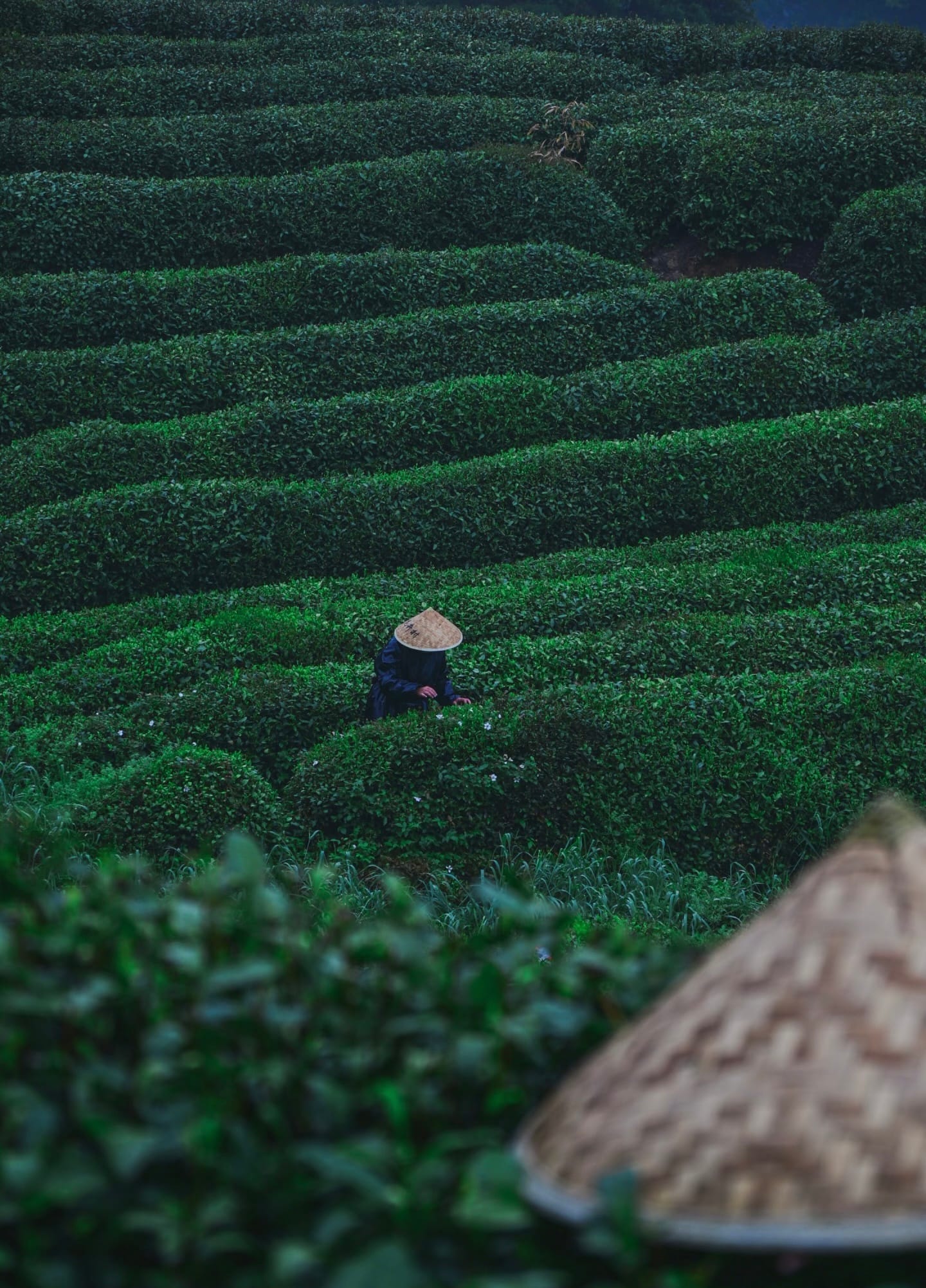
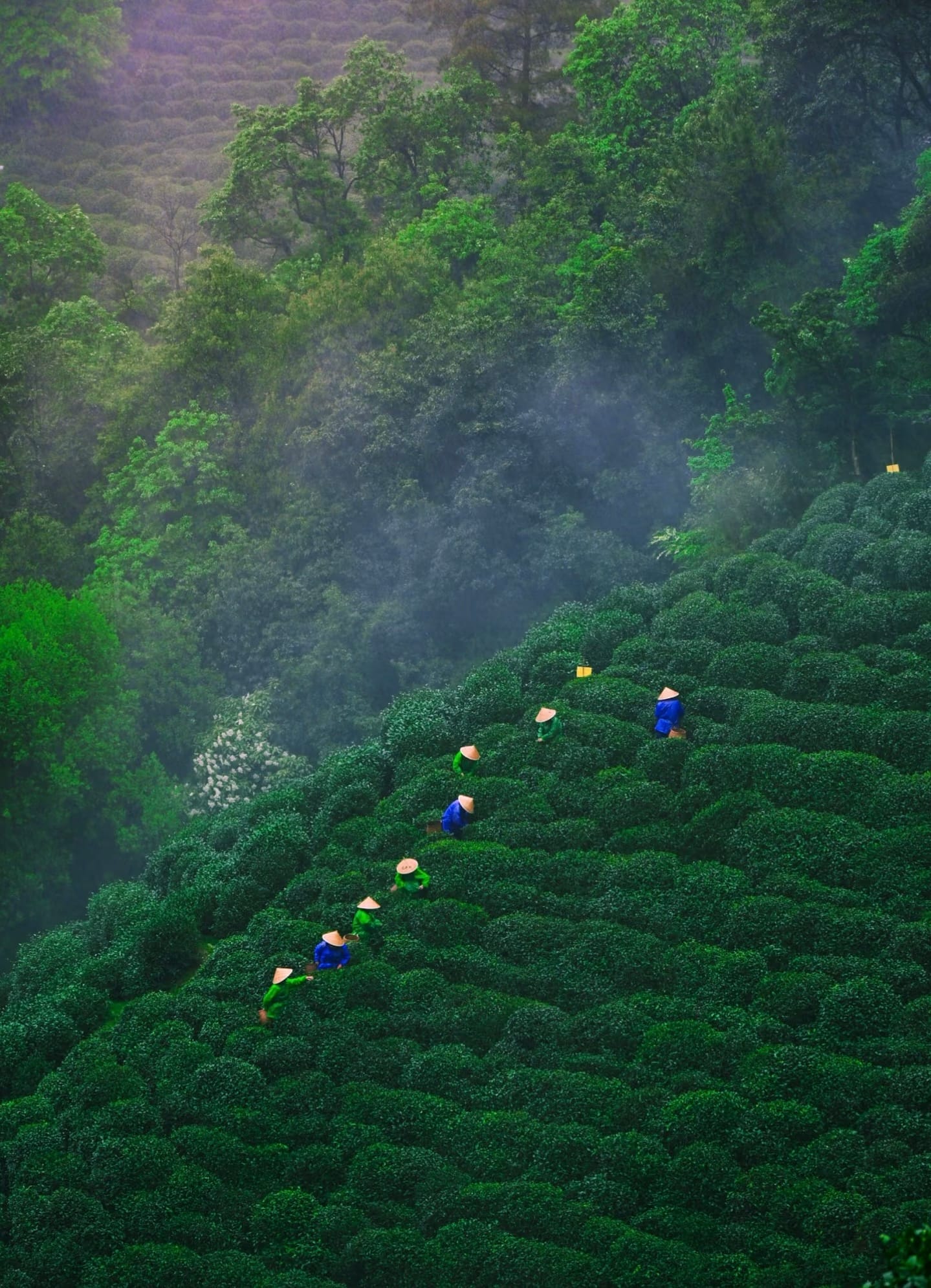
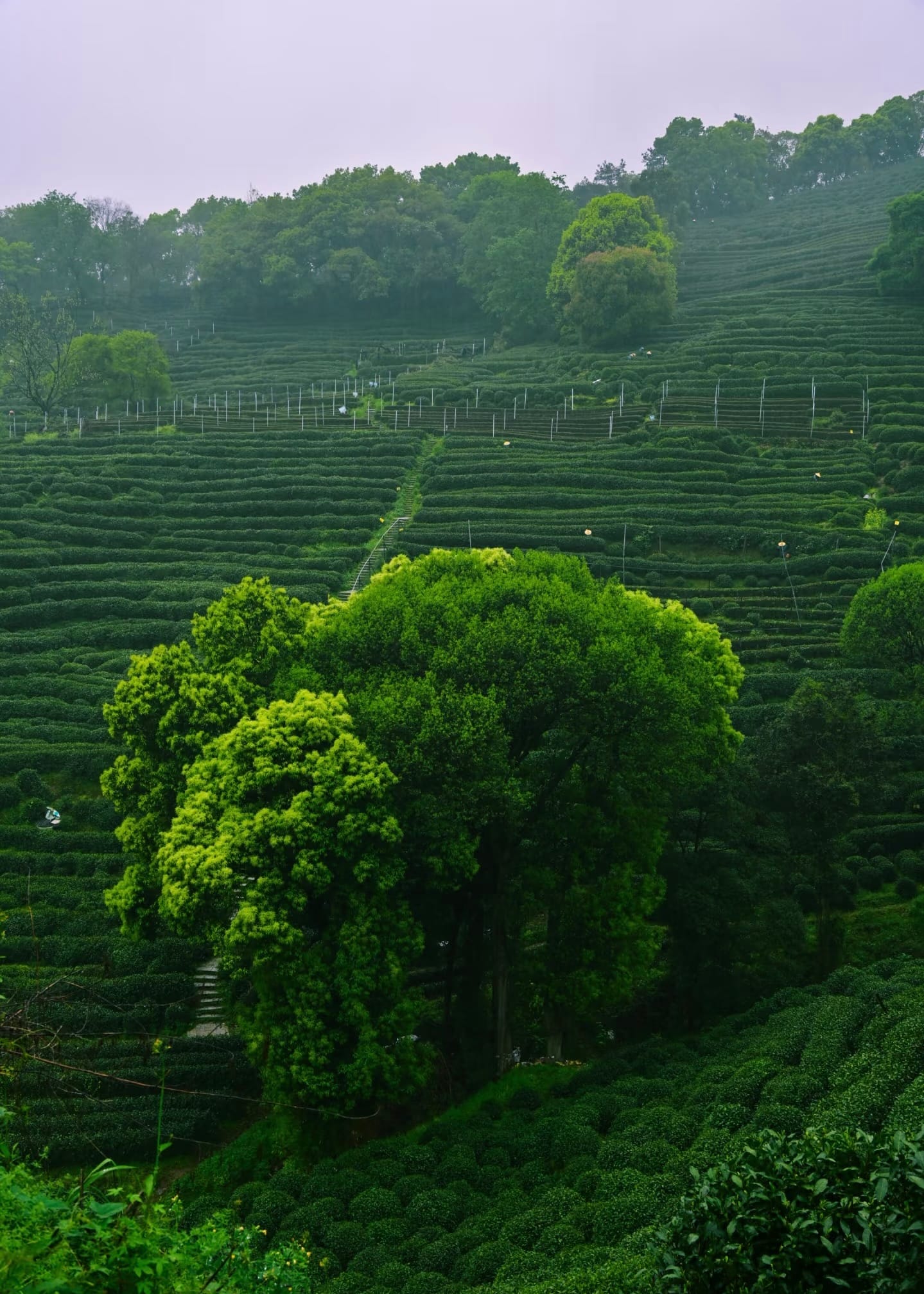
Longjing green tea feild in harvesting season
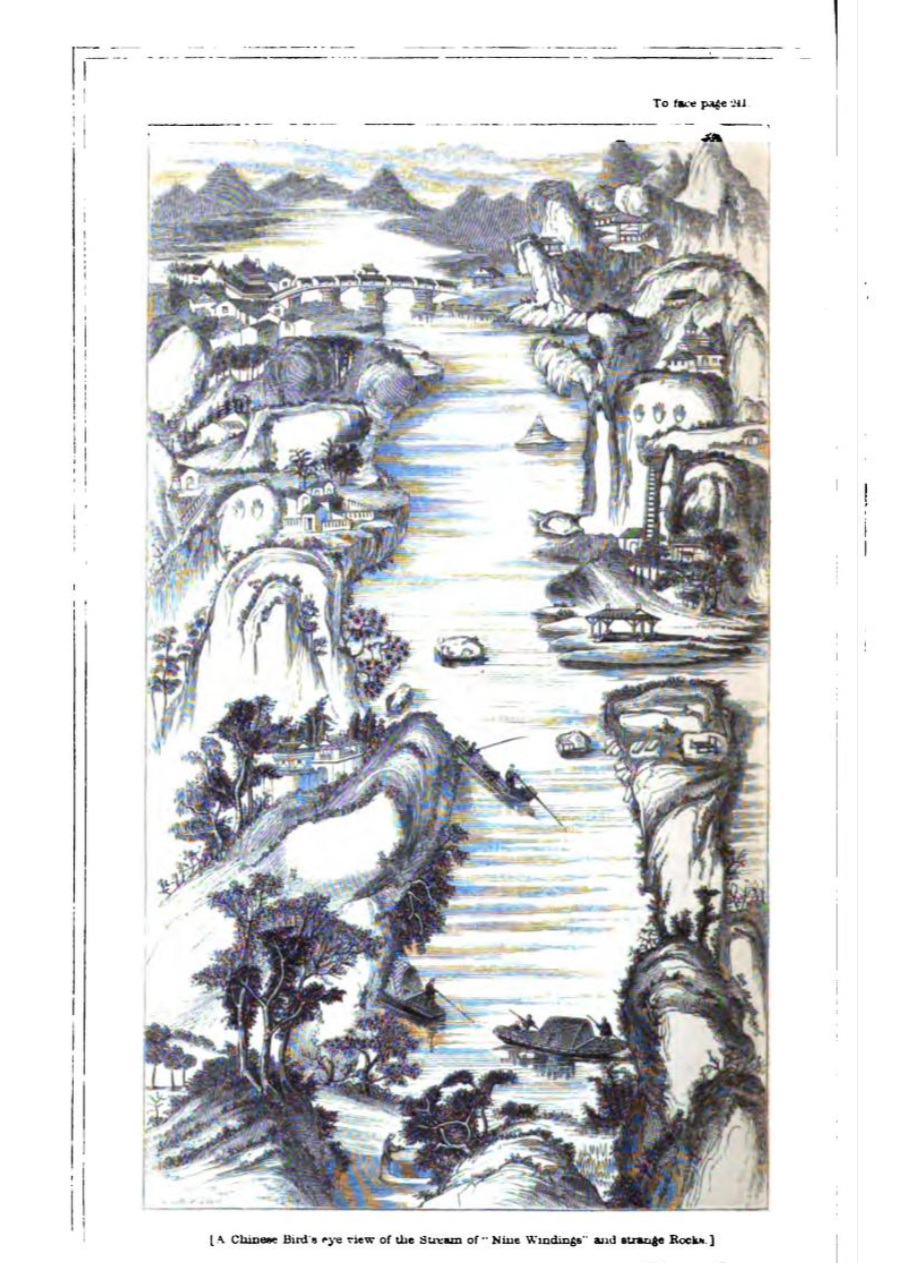
2. The Nine Creeks (九溪; Jiuxi)
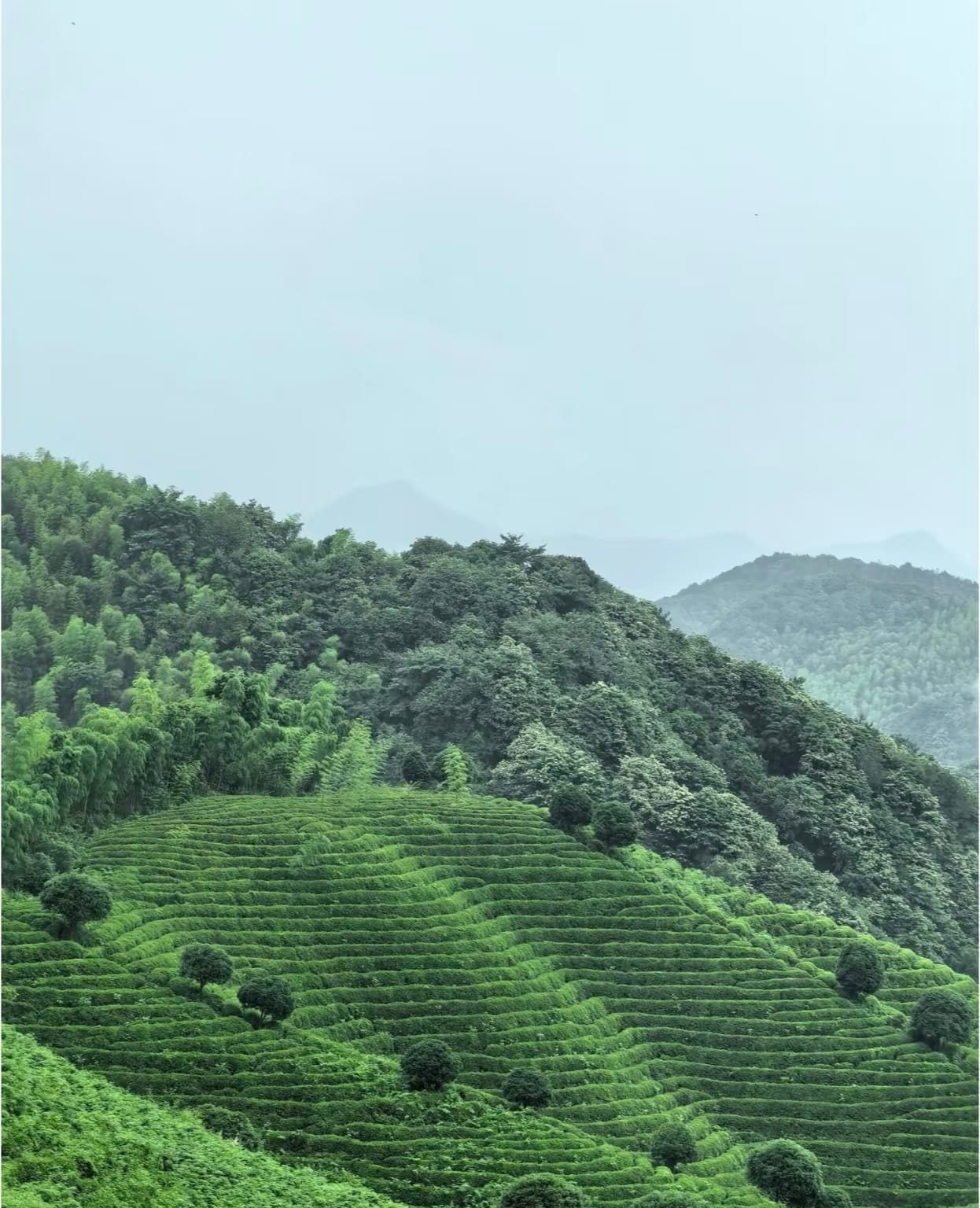
A breathtaking, forested valley where fresh mountain springs intersect. As you walk along the winding paths, you will pass vibrant tea fields tucked directly into the lush forest, revealing why the bushes here thrive in the perfect balance of moisture, shade, and sun.
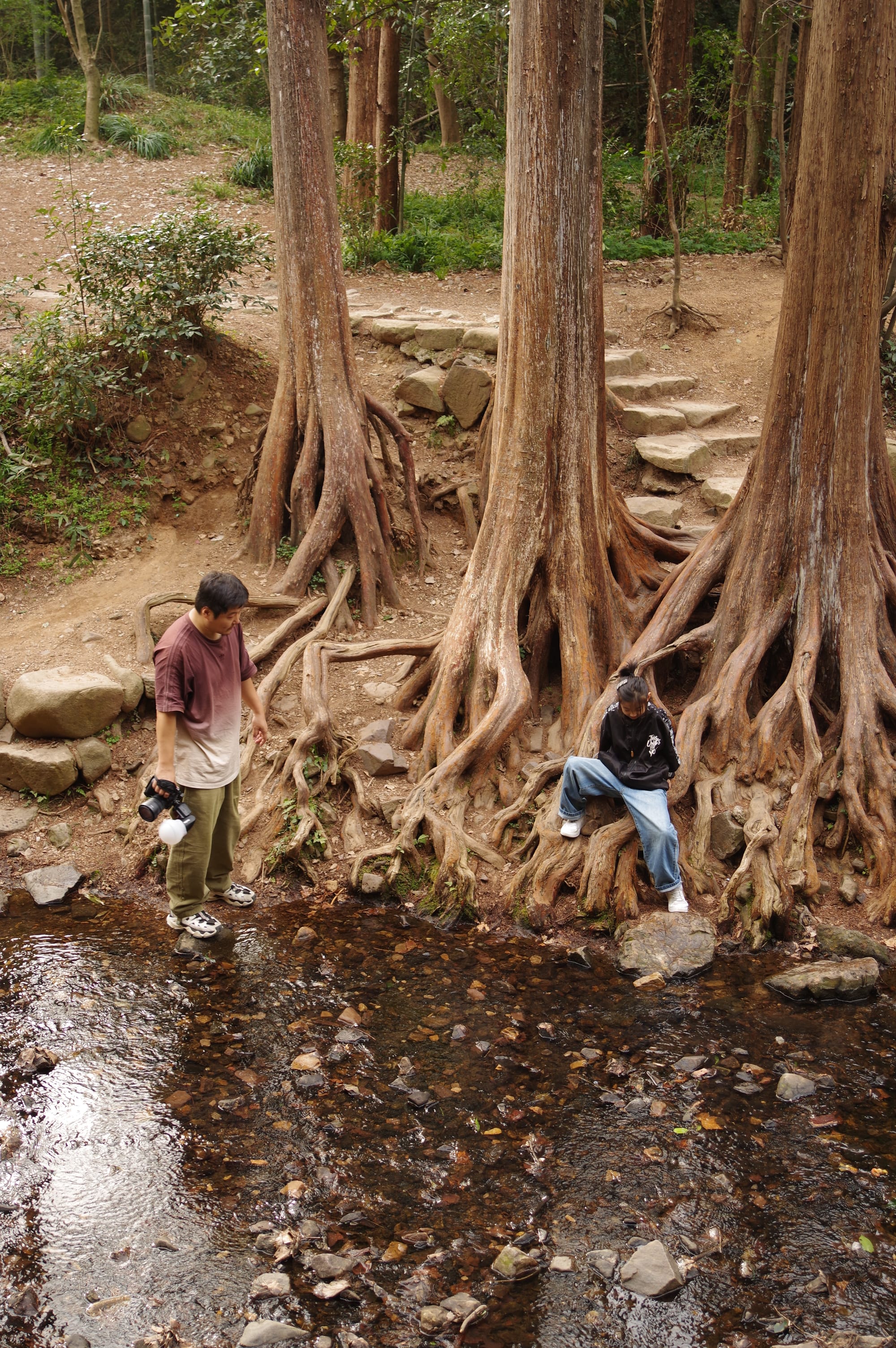
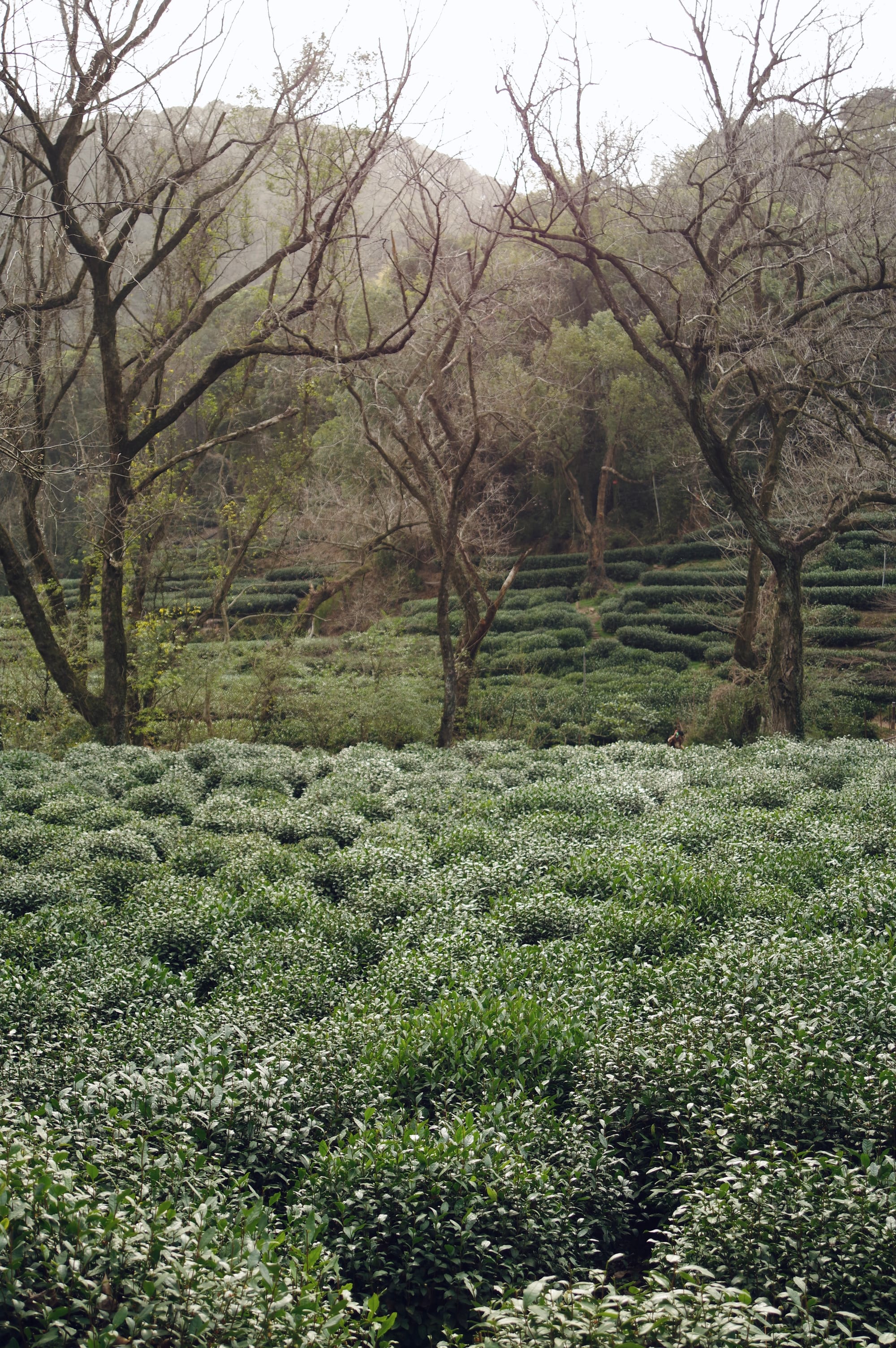
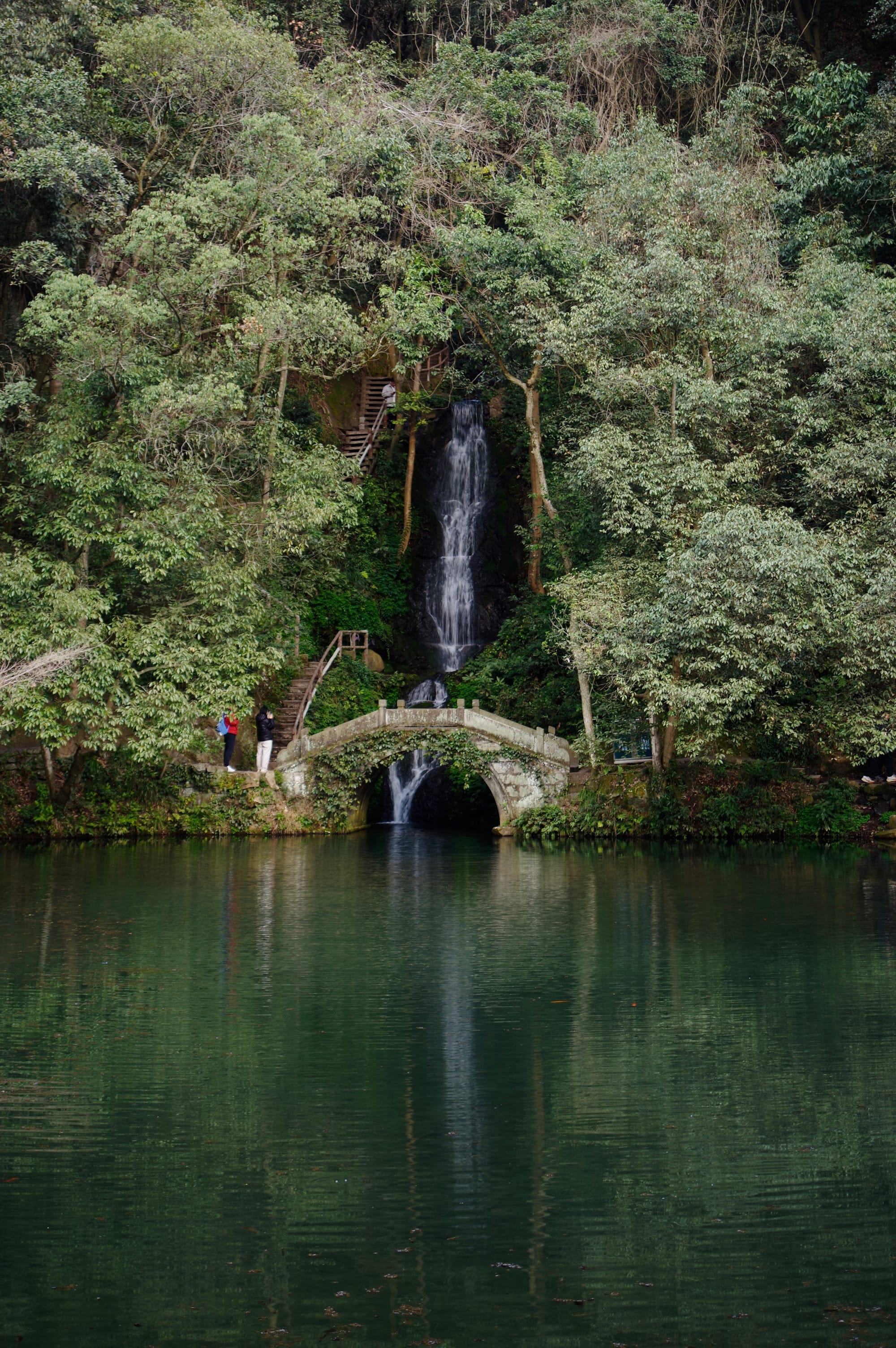
Hangzhou Nine Creeks
The scenery looks almost identical to the 19th-century woodblock illustrations found in Robert Fortune's travel diaries.
3. Jingshan Mountain (径山)
Located in the northwest of Hangzhou, this is the spiritual cradle of Zen tea culture and the true ancestral home of Matcha. You can visit the ancient Jingshan Temple, trace the footsteps of the medieval monks, and discover how a local monastic ritual evolved into a global lifestyle phenomenon.
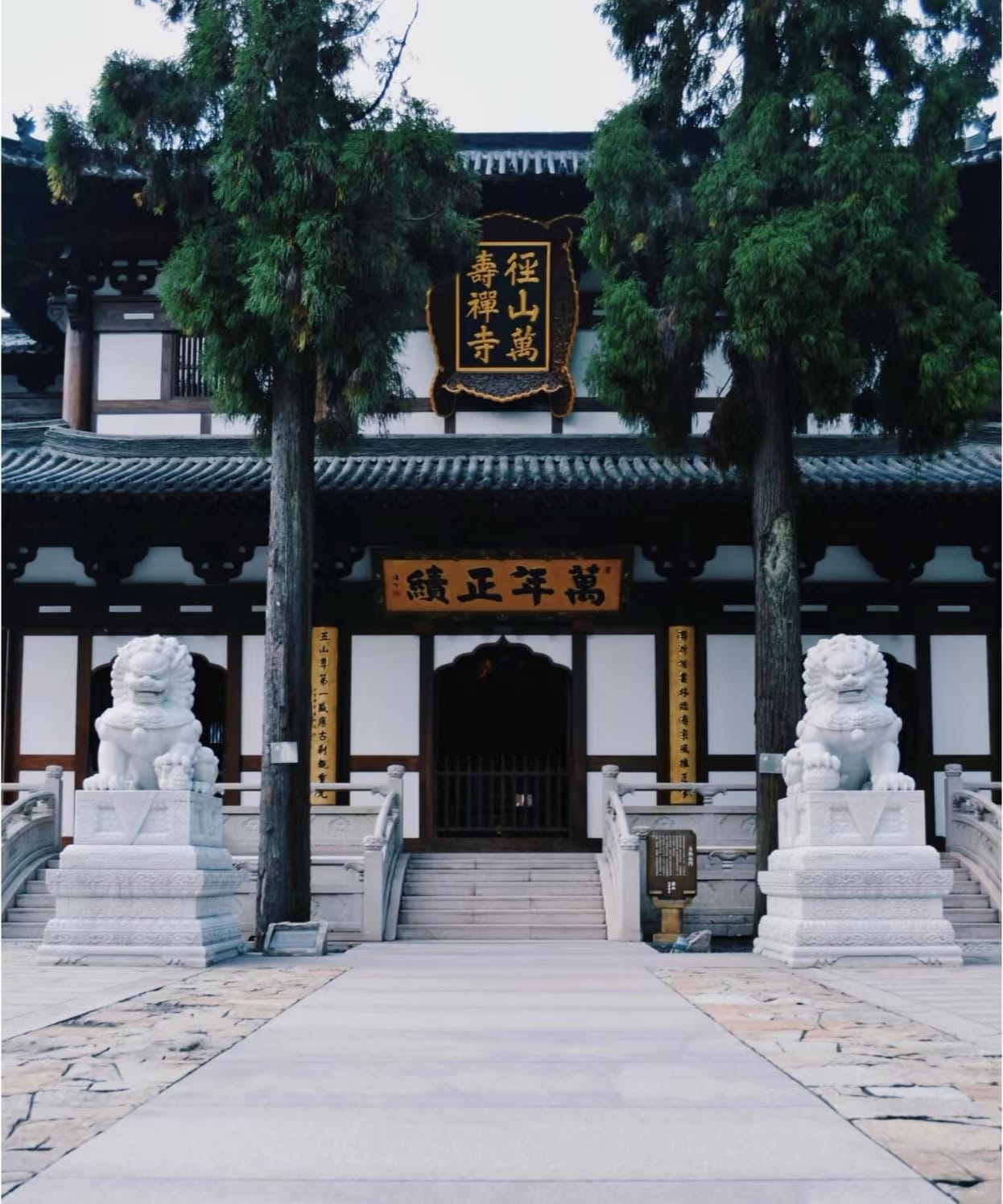
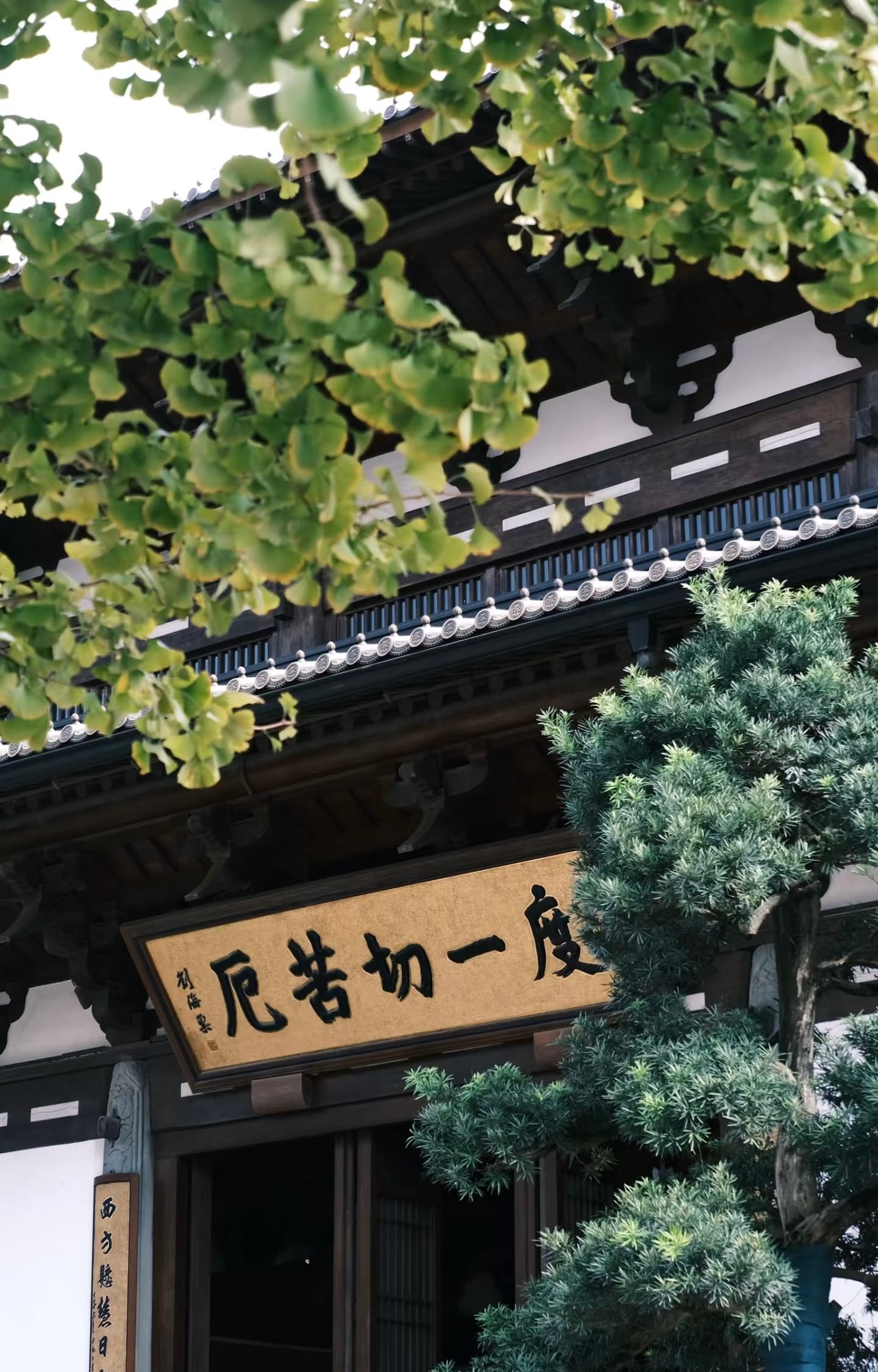
Jingshan Temple in Hangzhou
Experience the Story with tooChina
At tooChina, we believe travel should invite you into the deeper narratives that shaped our world. We design curated, slow-travel experiences for global minds who want to look past the tourist traps and uncover the real culture behind the scenery.
- Bespoke Longjing Tea Tasting & Walk (Small Groups): Join our local cultural curators for a private journey through historical tea trails, learn the precise art of traditional brewing rituals, and understand the deep philosophy behind the Chinese cup.
- The Nine Creeks (Jiuxi) Eco-Hike: Lace up your walking shoes for a refreshing trek through hidden forest trails, crossing stepping stones over crystal-clear mountain streams, and walking past wild tea fields that carpet the forest floor.
- Jingshan Zen Temple Day Tour & Matcha Experience: Journey deep into Jingshan Mountain for a day of ultimate tranquility. Tour the historic temple grounds and participate in an authentic Song-style Dian Cha tea ceremony, learning how to whisk powdered green tea into a froth just as the ancient monks did centuries ago.
- Hangzhou West Lake Bike Tour (Temple, Tea Field & Sunset Ride): Escape the crowds on an on-demand cycling route that weaves along Longjing Road, passes secluded temples, winds through rolling tea fields, and finishes with a peaceful sunset ride along the banks of West Lake.