The Asian City That Beat Paris at Biking: Why Hangzhou Belongs in the World’s Top 10
Discover why Hangzhou is Asia’s ONLY Top 10 bicycle-friendly city. Explore its world-class bike culture, traffic history, and the ultimate West Lake cycling route.


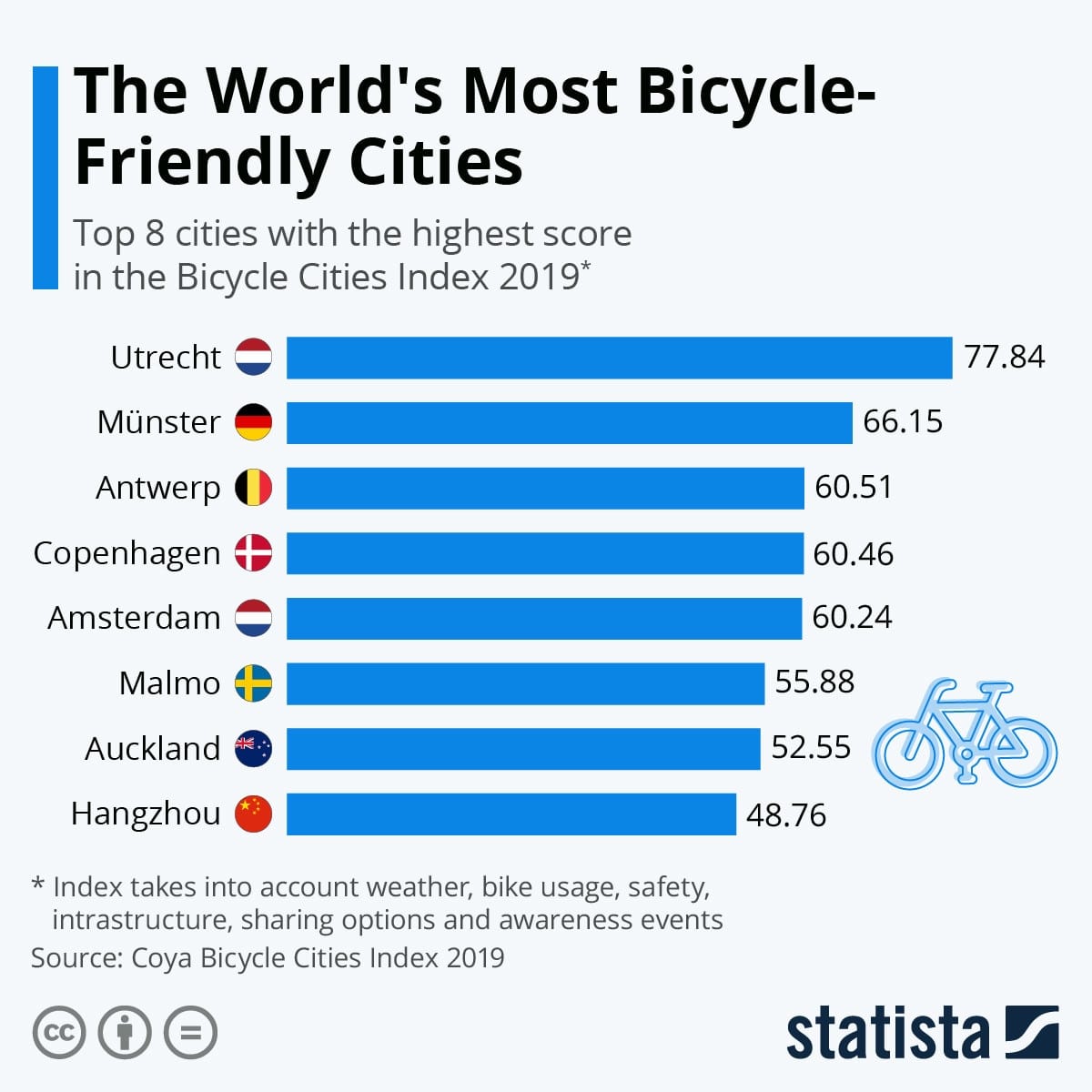
When you close your eyes and picture the world’s greatest cycling capitals, your mind almost certainly jumps to Europe: Copenhagen’s oceanfront bridges, Utrecht’s multi-story bike garages, or Amsterdam’s canal paths.
But what if I told you that tucked away in Eastern China lies a city that quietly out-scaled Paris in bicycle infrastructure—and stands as Asia’s only entry in the global Top 10 cycling rankings?
Welcome to Hangzhou.
The Origin Story: How Traffic Jams & Metro Delays Built a Cycling Hub
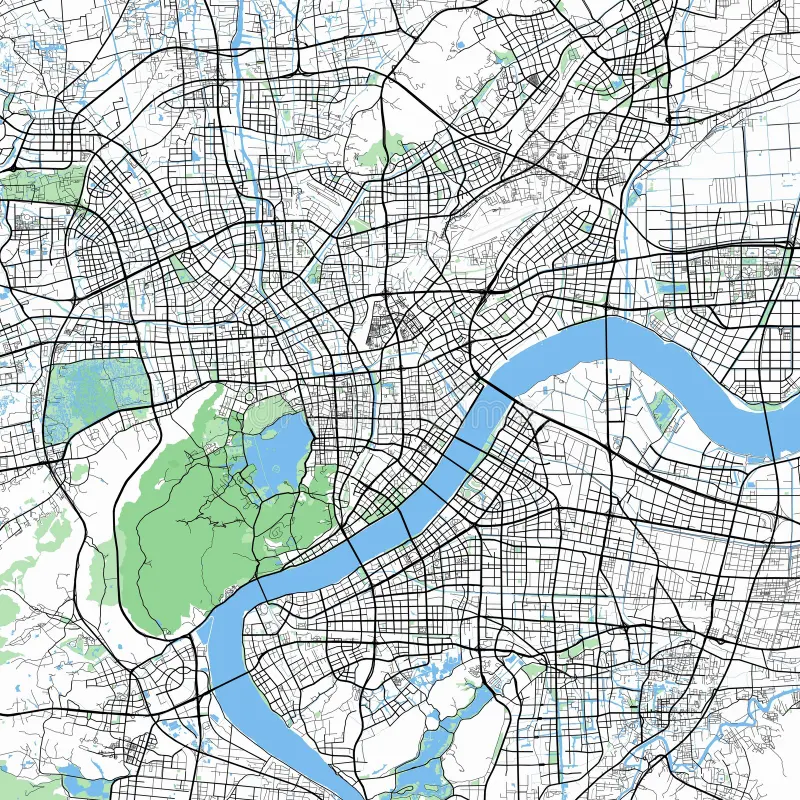
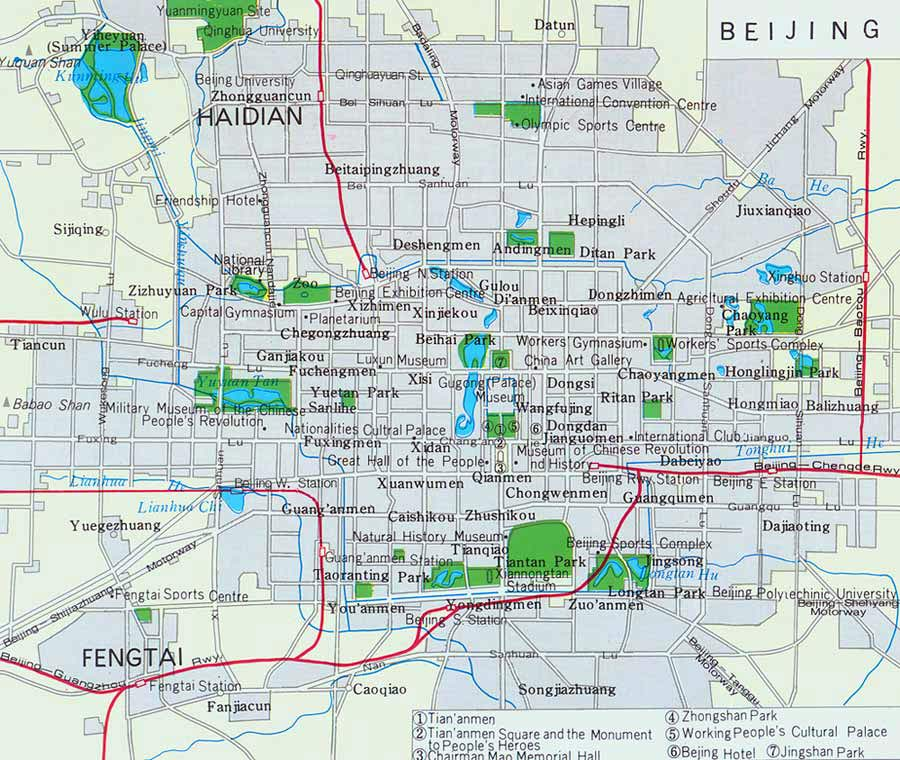
Unlike grid-based cities or traditional ring-road layouts, Hangzhou’s traffic is heavily constrained by its geography. Nestled right against West Lake, the city has no outer loop lines to bypass the core. For years, this created severe traffic bottlenecks—making Hangzhou’s rush-hour congestion at times even heavier than Beijing’s.
Compounding the problem, Hangzhou was a late bloomer in subterranean transit; its very first subway line (Metro Line 1) didn't open until 2012. Though the city has pulled off a modern transit miracle since—now boasting nearly 20 metro lines gridironing the region—back in the late 2000s, underground trains simply weren't an option.
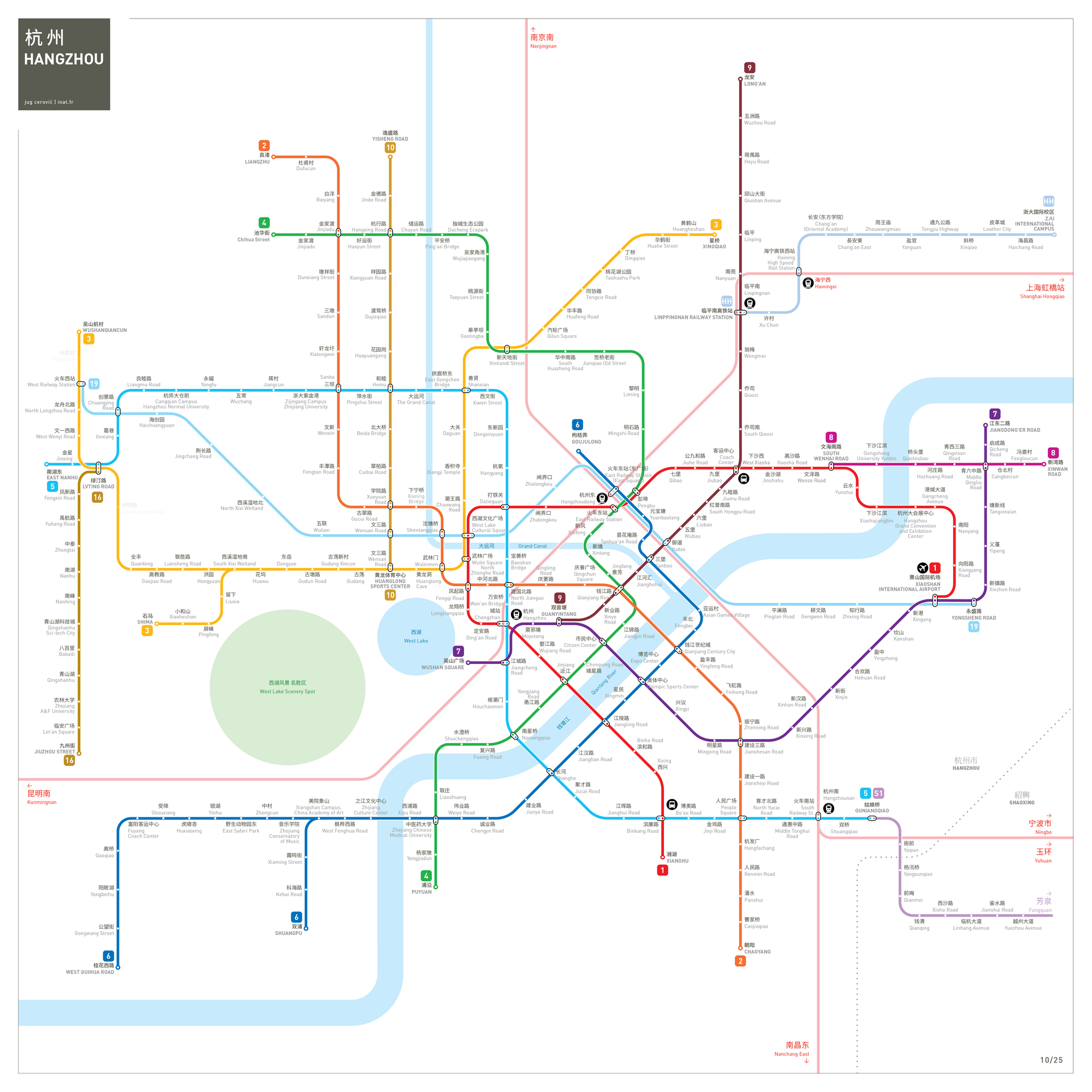
Facing choking road traffic and rising air pollution in the late 2000s, city planners couldn't wait for underground trains. Instead, they made a massive, visionary gamble: invest heavily in ground-level bicycle infrastructure.
The municipal government redesigned the streets with a "bikes-first" philosophy:
- Physically Separated Bike Lanes: Wide green belts and concrete barriers separate cyclists from car traffic.
- Cycling-Specific Signals: Dedicated left-turning lanes and traffic lights designed exclusively for cyclists at major intersections.
- Curated Scenic Corridors: Bike paths lined with lush trees and seasonally replanted flower beds, integrating nature directly into daily commutes.
The Evolution: From Civic Masterpiece to Tech-Driven Mobility
Having bike paths is only half the battle—a truly bicycle-friendly city requires universal, reliable access.
In 2008, Hangzhou launched a government-backed public bike-sharing program with just 2,800 bicycles. What followed became a gold standard in global civic engineering and urban management.
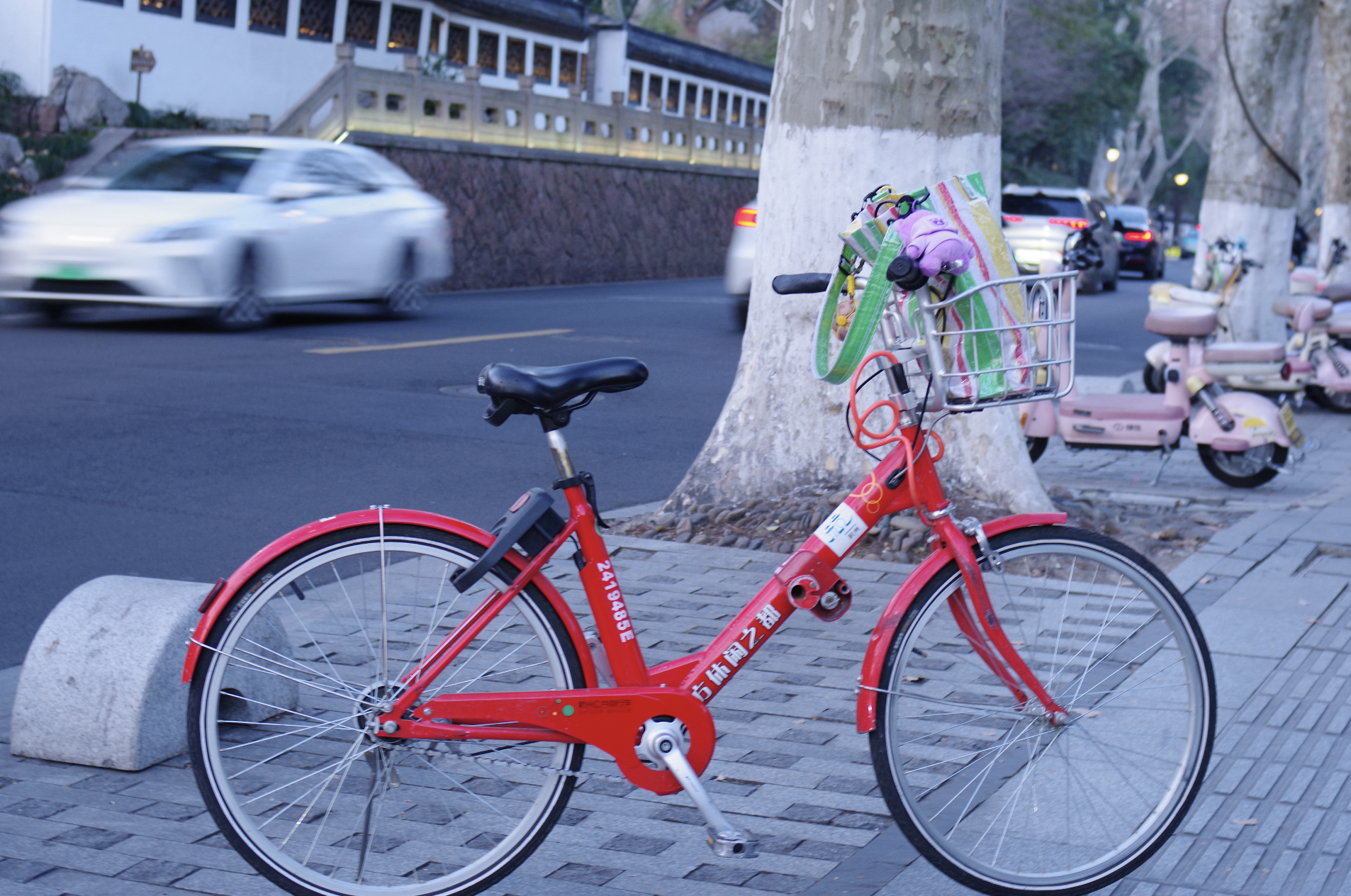
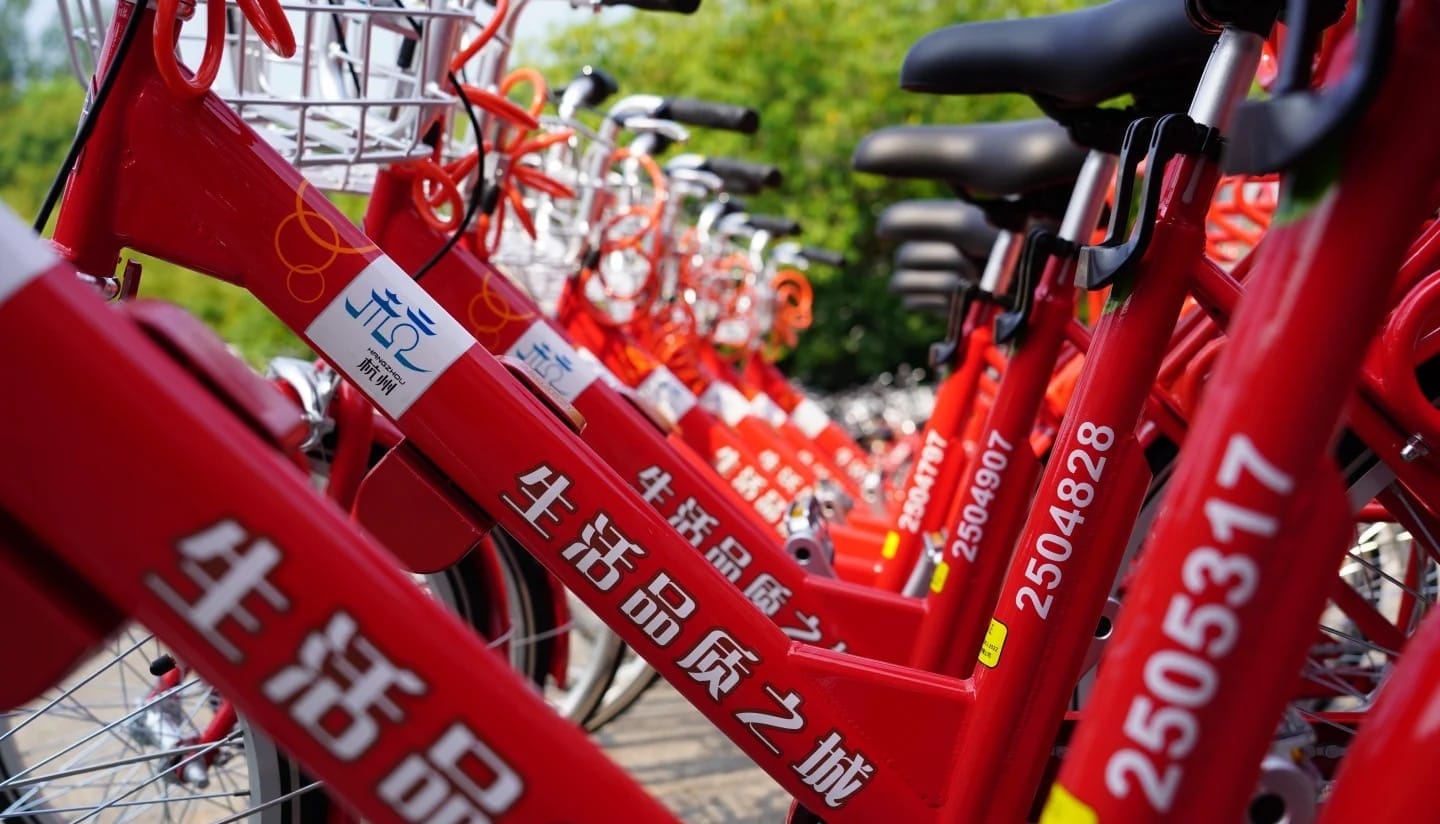
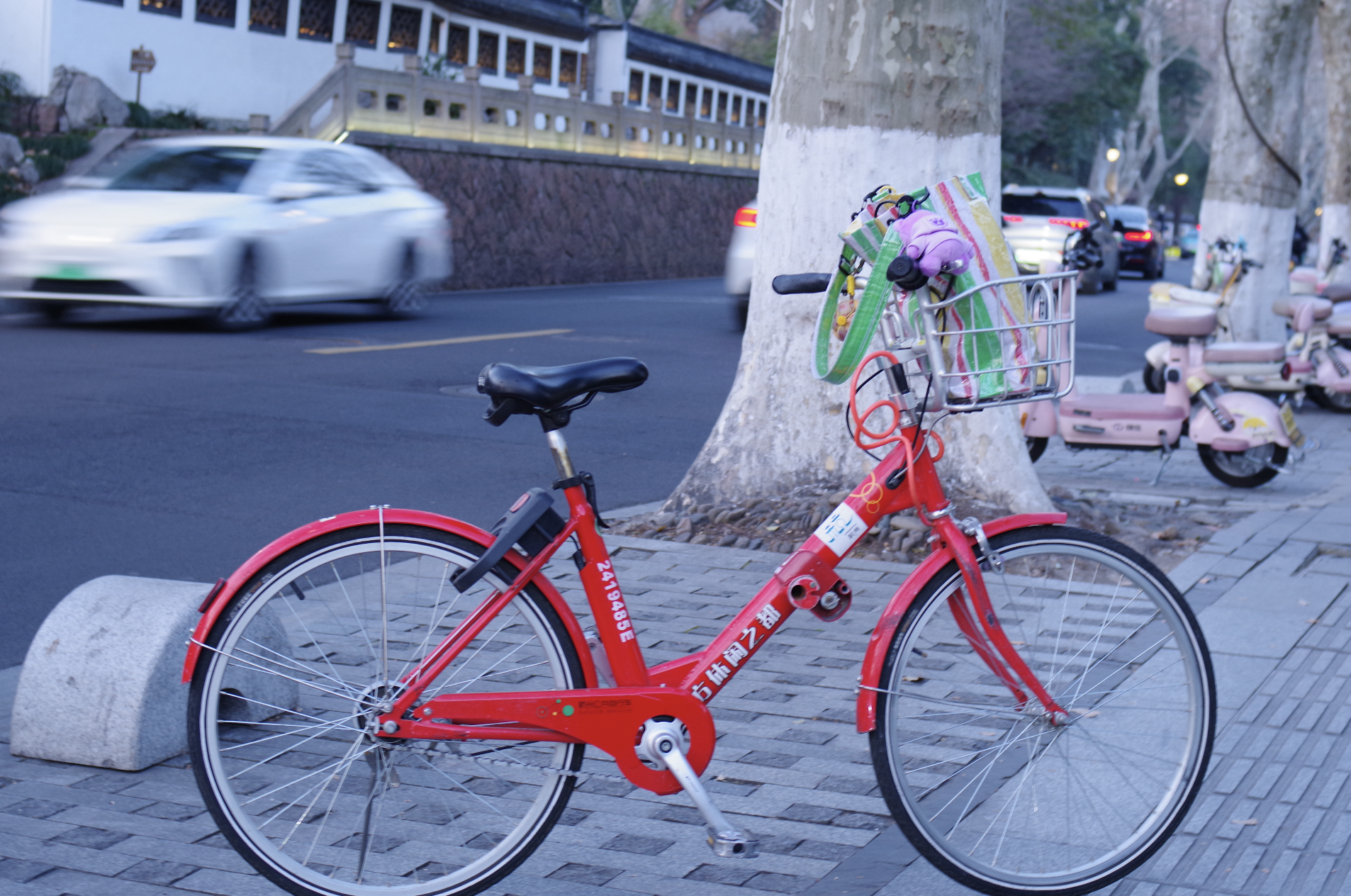
By 2016, Hangzhou operated over 84,000 iconic "Little Red Bikes" (小红车) across 3,500+ dock stations. To put that into perspective, Paris’s world-famous Vélib system had roughly 23,600 bikes at the time—making Hangzhou’s fleet nearly four times larger.
More than its staggering sheer size, the system showcased unmatched city efficiency and public governance:
- Flawless Operational Efficiency: The city designed a rapid-response maintenance and redistribution network, keeping bikes clean, repaired, and stationed where commuters needed them most.
- Massive Civic Adoption: Built as a true public service (free for the first hour), the fleet recorded an astonishing average of 5 rides per bike every single day—winning Hangzhou the prestigious 2017 Ashden International Award for Sustainable Travel.
Civic Infrastructure vs. Tech Giants
Starting around 2017, dockless bike-sharing apps backed by Chinese tech giants (Alibaba’s Hello, Meituan, and Didi) swept into the city. Today, colorful fleets can be unlocked via smartphone anywhere in seconds.
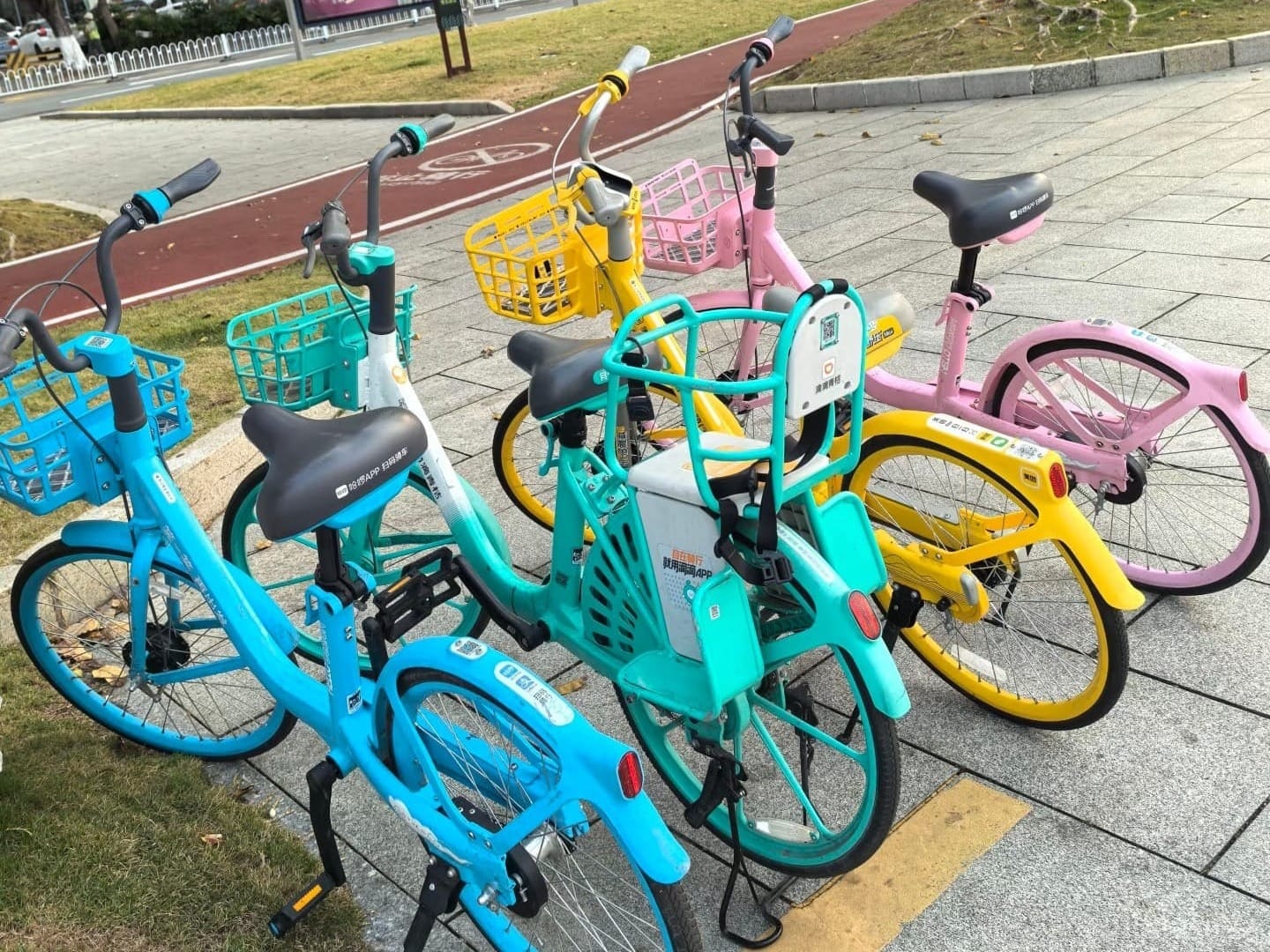
Yet, while commercial dockless bikes added convenience, Hangzhou’s civic "Little Red Bikes" remain an indispensable, highly trusted pillar of city life.
Unlike lightweight private share-bikes, the "Little Red Bikes" were engineered for durability and practical daily use:
- Built for Daily Life: They feature sturdy frames and an integrated temporary lock—making them perfect for local residents popping into markets or running quick errands without losing their ride.
- Seamless Transit Integration: Docks are strategically placed right at subway exits and bus stops, creating a flawless "last-mile" connection.
- Virtually Free Mobility: With the first hour completely free, it functions as a public welfare benefit—allowing locals to commute or shop every single day without spending a dime.
It stands as a brilliant example of how thoughtfully managed municipal infrastructure can outshine private tech innovation in pure public utility.
Experiencing Hangzhou at "Human Speed": Breathtaking Rides Beyond the Tourist Trail
Why is biking the ultimate way to experience Hangzhou? It operates at what I call "Human Speed."
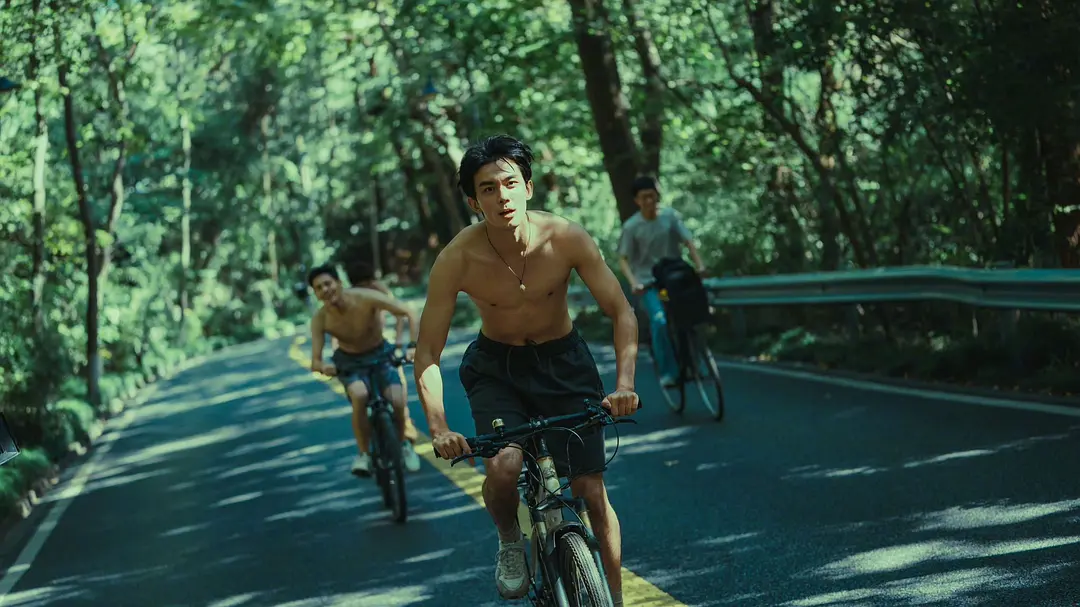
Walking is simply too slow to cover the vast UNESCO-listed West Lake basin in a single day, while buses and taxis trap you behind glass in heavy traffic. Riding a bike puts you in the open air—fast enough to effortlessly glide across miles of changing scenery, yet slow enough to smell the lotus breeze, hear mountain streams, and duck beneath sweeping willow branches.
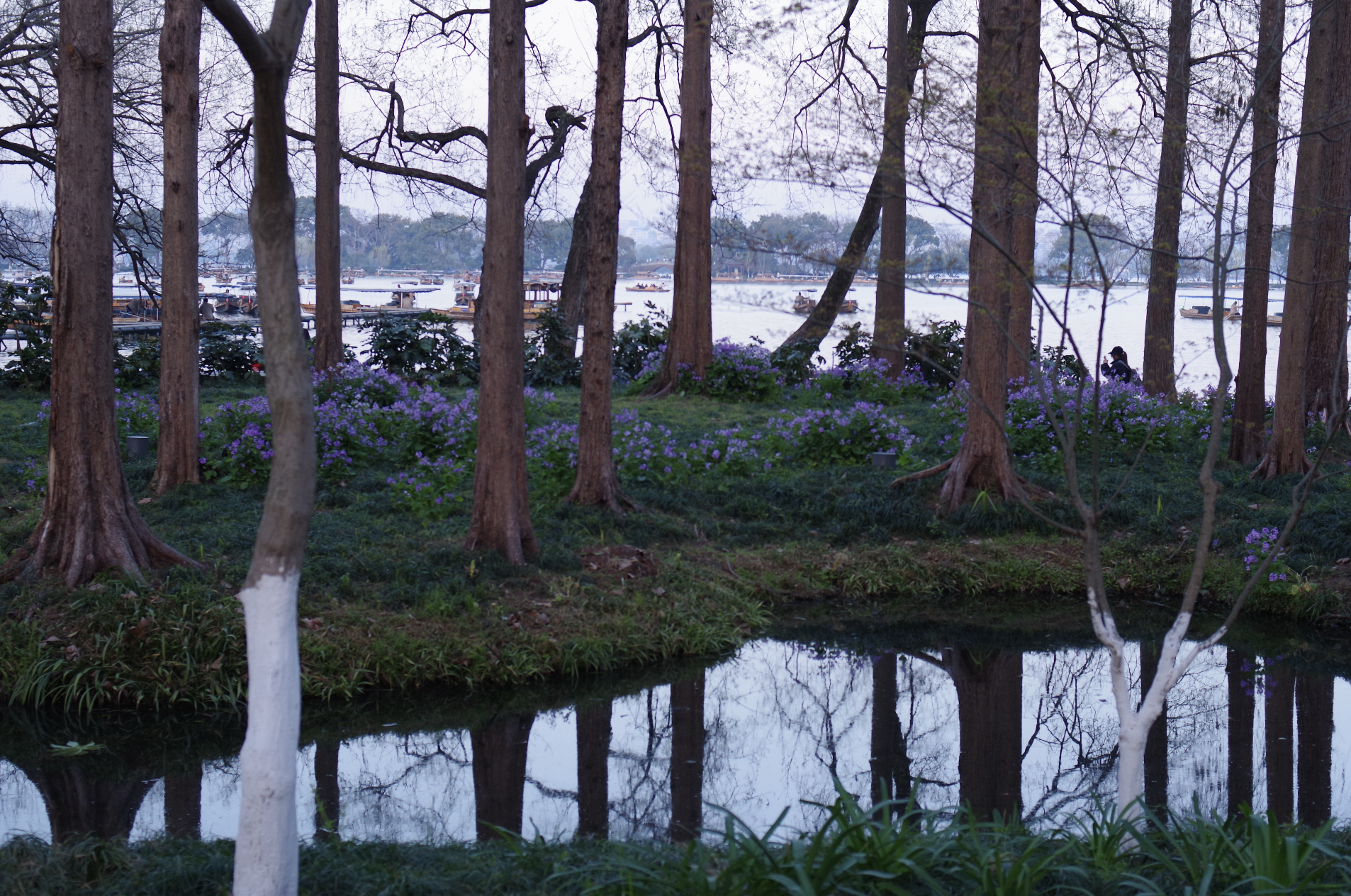
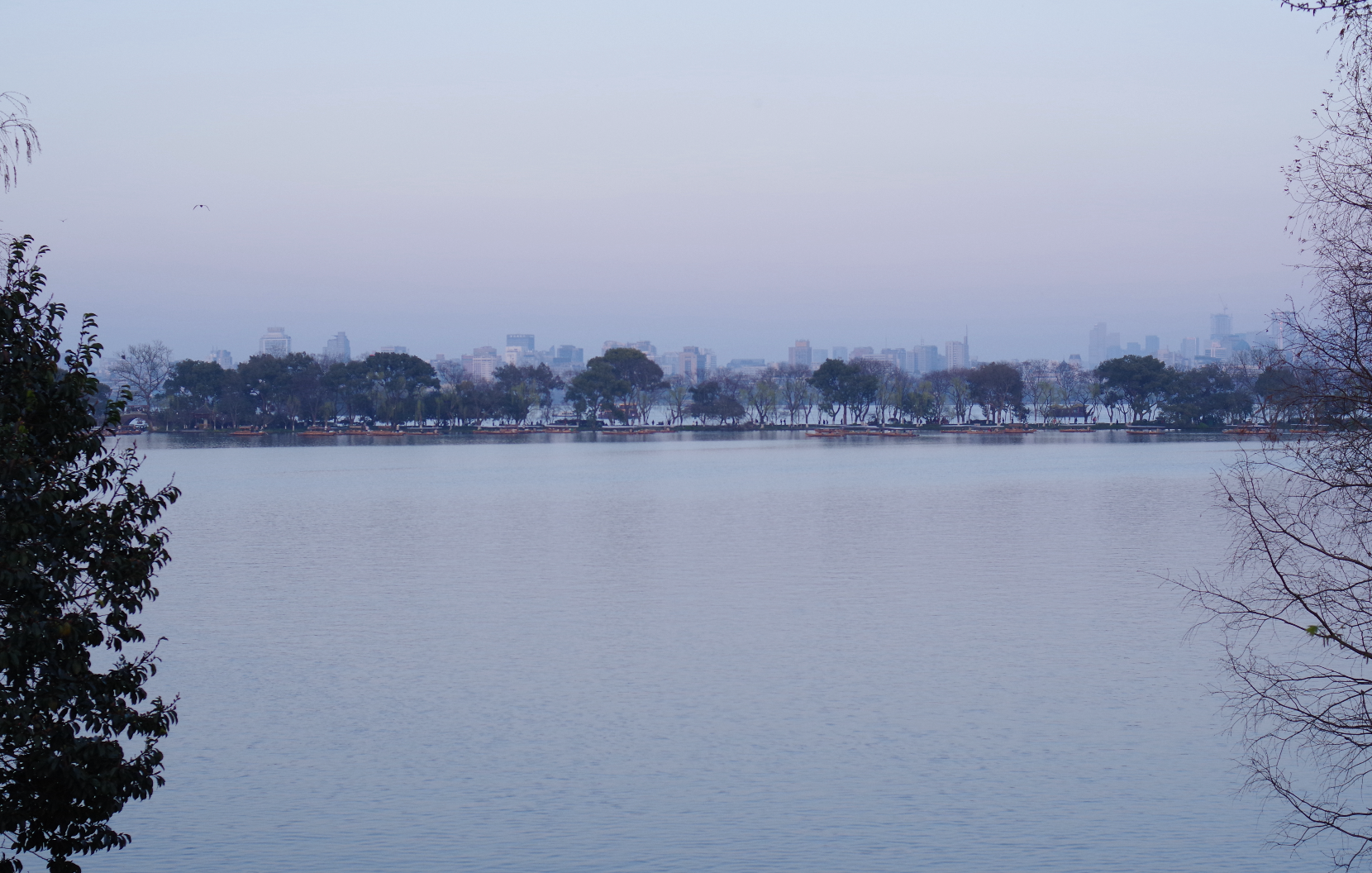
Biking through West Lake’s hidden corridors is pure magic. Instead of fighting crowds on the main asphalt roads, a well-curated route weaves through a serene, living landscape of history:
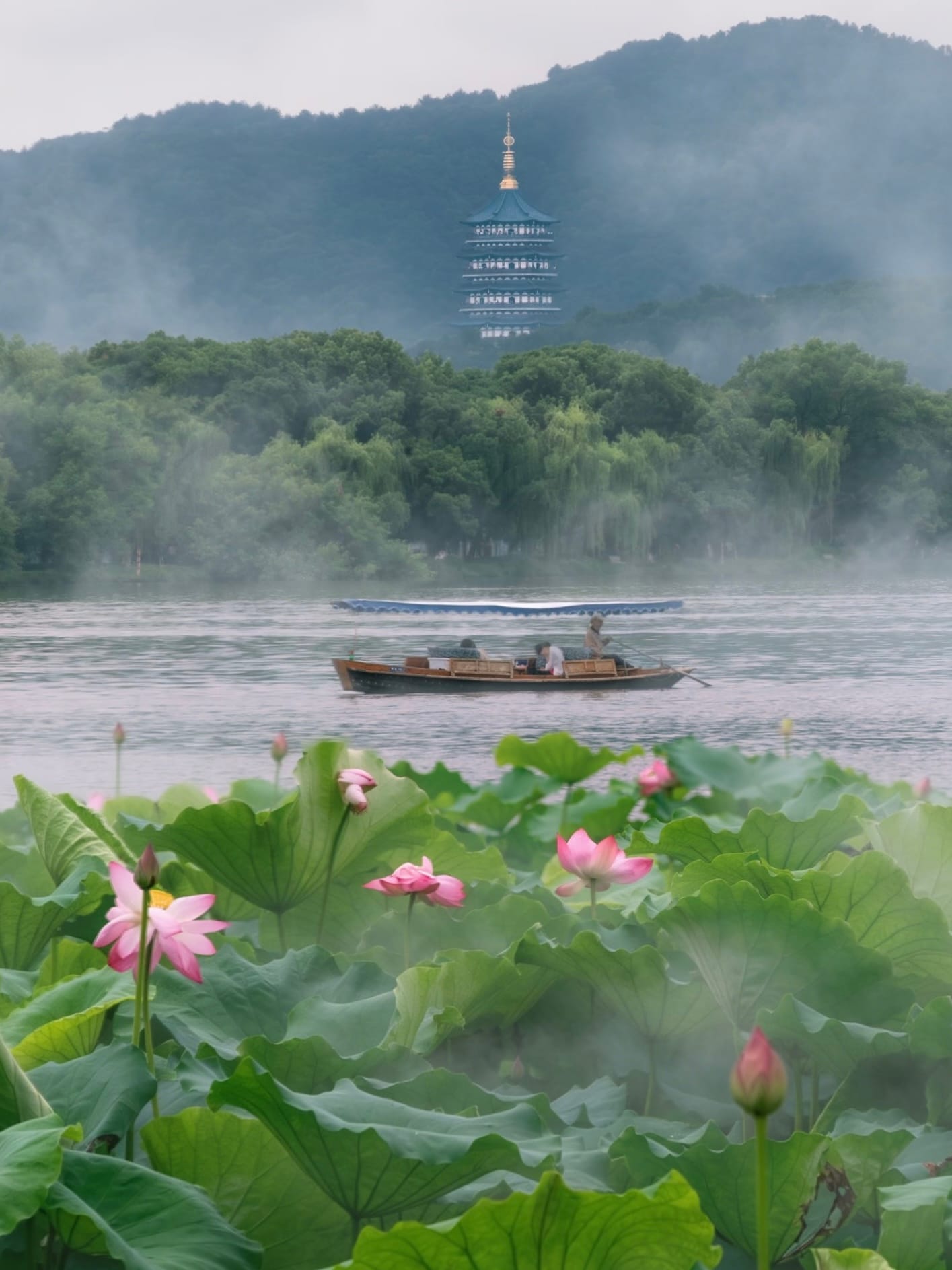
- Scent-Drenched Gardens: Glide past redwood cedars at Quyuan Fenghe (曲院风荷), where Southern Song imperial wine breweries once mixed sweet spirits with blooming lotus aromas.
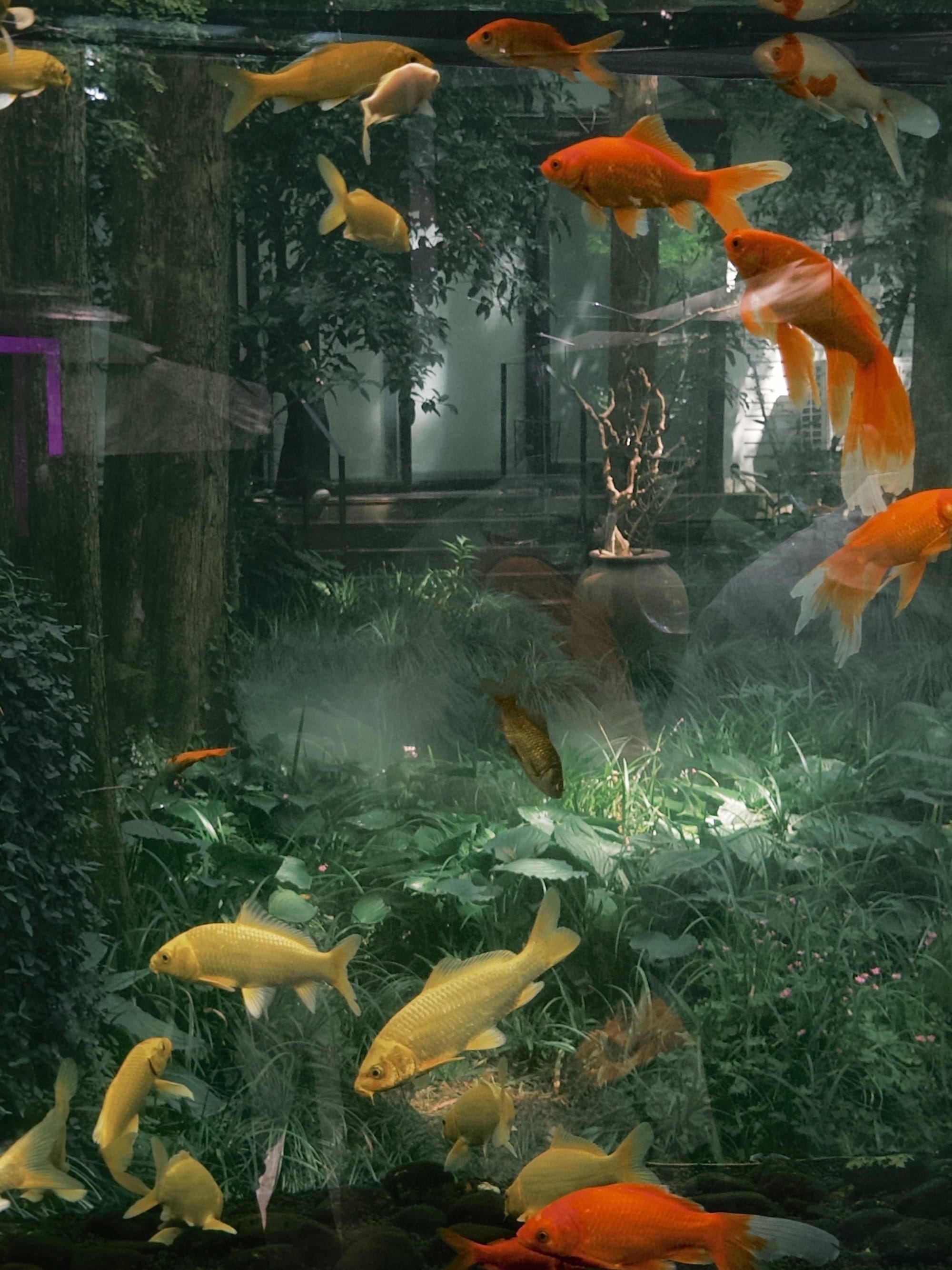
Imperial Secrets & Fish Ponds: Pause at Huagang Guanyu (花港观鱼) to watch thousands of red carp boil in the water, and spot the rare imperial stele carved by two different Qing Dynasty emperors (with Kangxi’s famous intentional typo in the character for "fish"!).
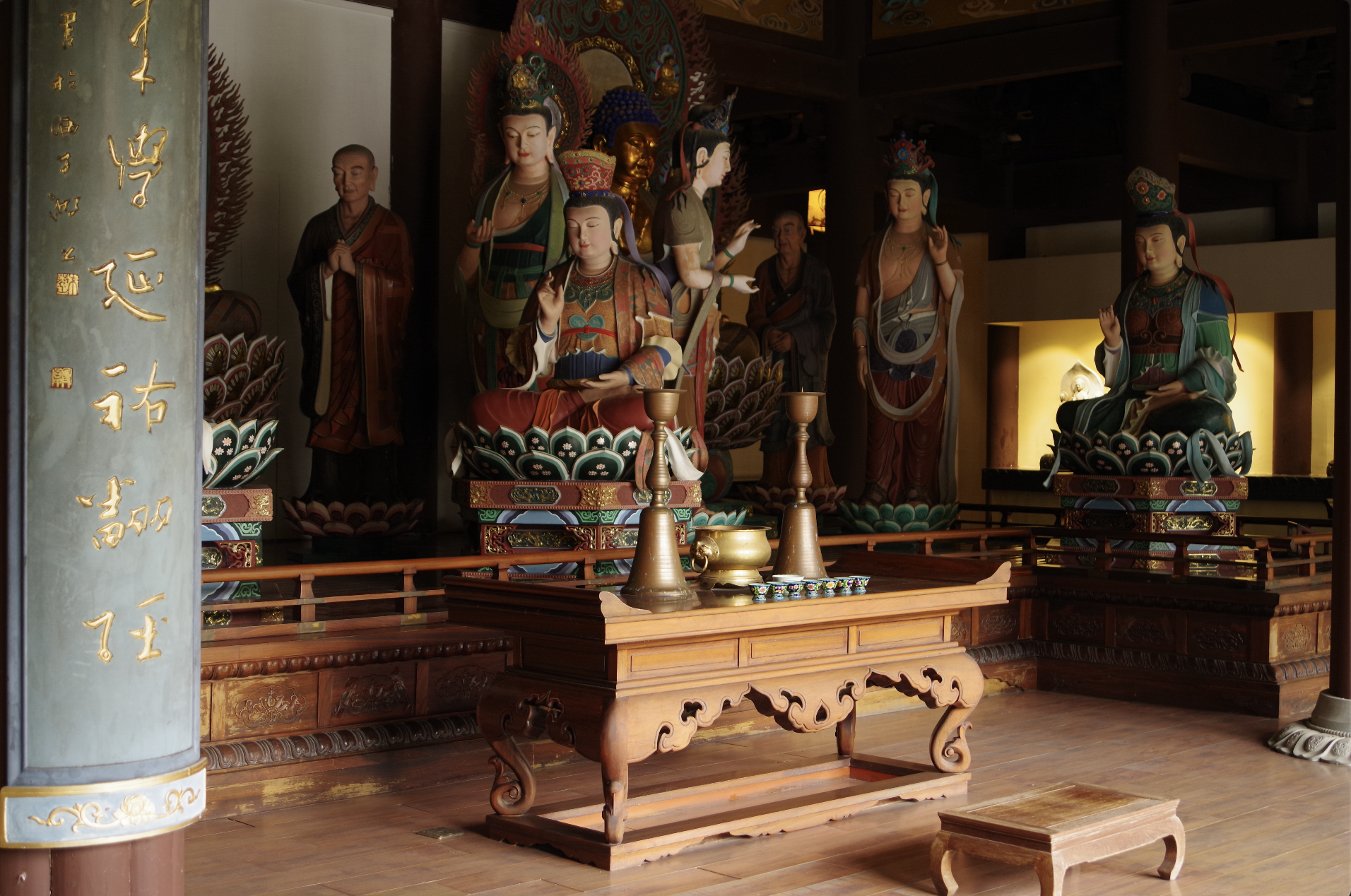
- Hidden Architectural Wonders: Escape to the serene Korean Temple (Goryeosi • 高丽寺) to marvel at pure Song-style timber structures and the world’s tallest rotating wooden sutra cabinet.
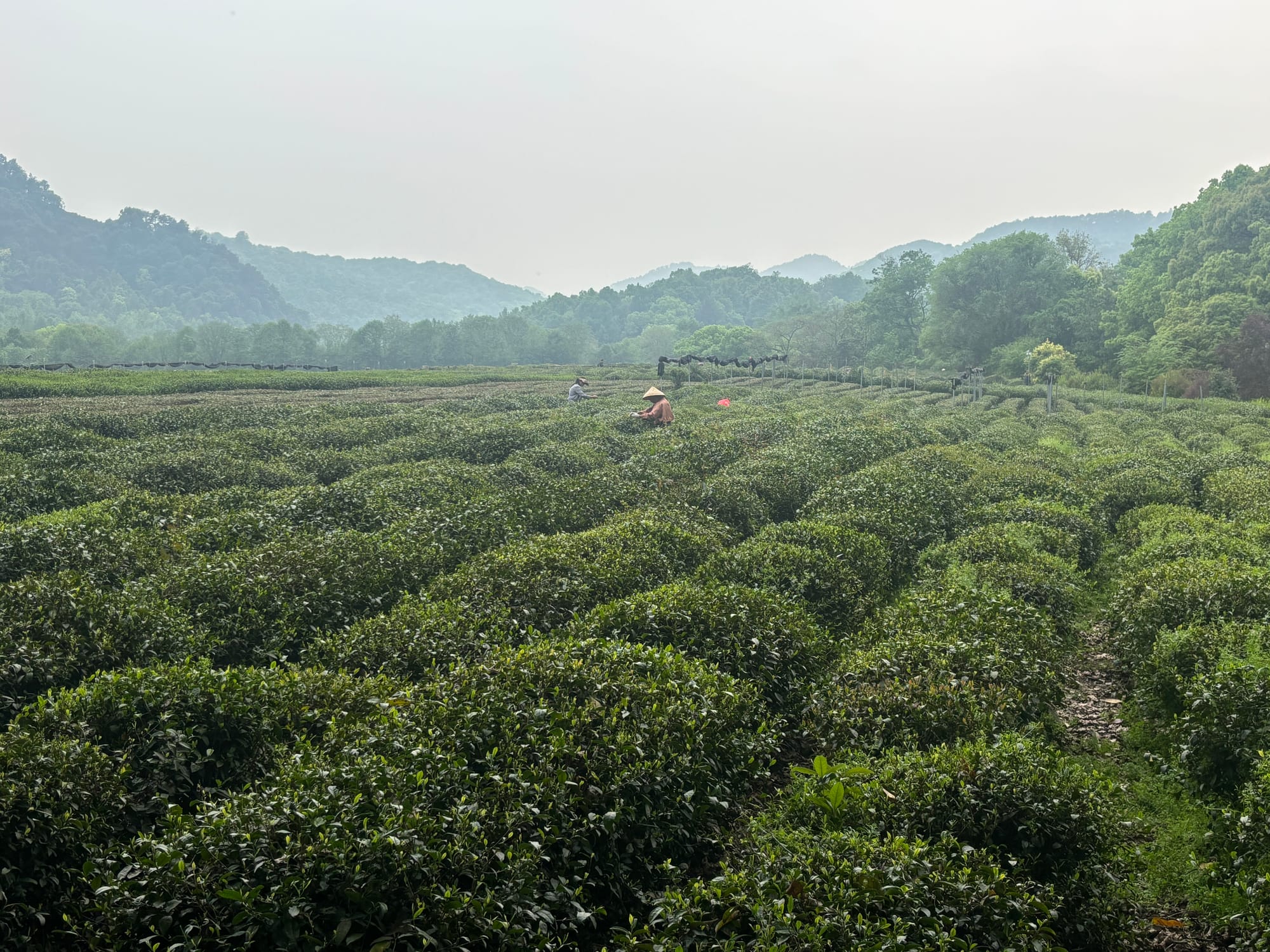
- The Imperial Tea Country: Ascend into the rolling green hills of the China National Tea Museum, where 18 Imperial Tea Bushes thrive in ancient Devonian quartz soil—producing world-class Longjing tea that can fetch over €1,000 per kilogram.
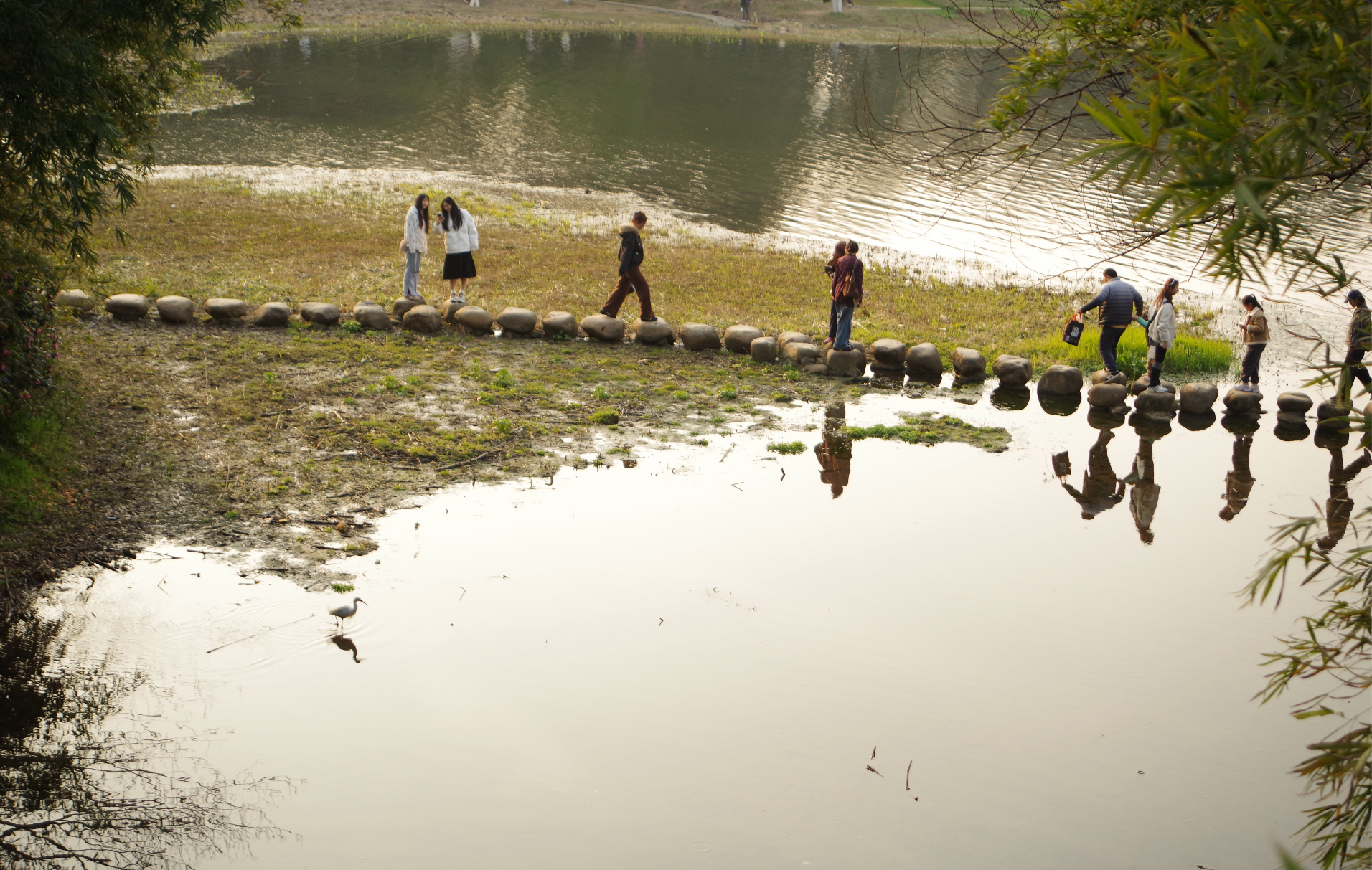
- Ancient Pilgrim Pathways:
Pedal along the quiet stone shores of Maojiabu (茅家埠), the historic starting point of the Ming and Qing dynasty "Incense Trail."
Ready to Ride Hangzhou at "Human Speed"?
While Hangzhou’s cycling infrastructure is world-class, finding these tranquil, motor-free greenways and unlocking their centuries-old stories requires insider knowledge.
Skip the guesswork and join our Small-Group Hangzhou Culture Bike Tour! We provide comfortable bikes, keep you away from busy traffic, and guide you through these secret temples, imperial tea gardens, and hidden lakeside trails at the perfect pace.
🎁 Special Gift for Readers: Mention this blog post when booking your ride to receive a complimentary artisan Longjing tea tasting gift set!
GetYourGuide | Hangzhou West Lake Bike Tour: Temple, Longjing Tea, Sunset
Or