Hangzhou Ultimate Food Guide: Debunking the "Food Desert" Myth
What to eat in Hangzhou? Discover the wild history and culinary secrets behind iconic dishes like Cong Bao Hui, Dongpu Pork, Longjing Shrimp and Pian Er Chuan Noodle.

Planning your Hangzhou travel itinerary on best things to do in Hangzhou? You will likely run into a bizarre meme on Chinese social media: Hangzhou is notoriously labeled China’s "Food Desert" (美食荒漠). Critics claim the local cuisine is bland, boring, and dominated by uninspired chain restaurants.
Unlike the bold, fiery profiles of inland regions like Sichuan (川菜) or Hunan (湘菜), Hangzhou cuisine plays by different rules. Historically, landlocked and mountainous provinces faced challenges with food preservation, birthing their brilliant traditions of using heavy spices—such as Sichuan peppercorns, garlic, and chilies—to cure meats and mask gaminess.
Hangzhou sits at the heart of the fertile Yangtze River Delta—the legendary Land of Fish and Rice" (鱼米之乡). Blessed with an embarrassment of riches from West Lake Hangzhou, the Grand Canal, and lush coastal plains, locals have always had access to ingredients harvested just hours, or even minutes, before cooking.
When your river shrimp is caught that morning and your bamboo shoots are plucked at dawn, there is no need to bury them under chili oil. Instead, Hangzhou chefs strive to highlight "the original flavor of the ingredient" (食材本身的味道). This preference for subtle, seasonal, and delicate execution is precisely what trips up modern visitors who arrive expecting instant flavor bombs.
Hangzhou's culinary soul doesn't scream; it whispers. And if you know where to eat in Hangzhou with a local guide, you will unlock one of the most sophisticated food cultures on earth.
The Golden Age: When Hangzhou Breathed Luxury
To fully appreciate the food on your plate and dive deep into Hangzhou history and culture, it helps to understand its origins. Imagine a city that was the Paris or New York of the 12th century—that was Hangzhou during the Southern Song Dynasty (1127–1279 AD).
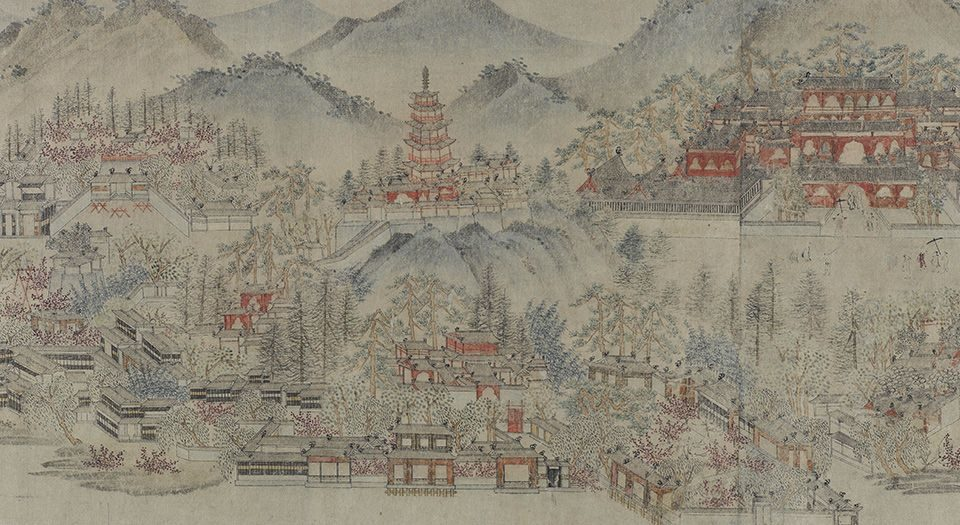
When Northern China faced foreign invasions, the imperial court fled south and made Hangzhou their glittering capital. It rapidly became the wealthiest and most culturally sophisticated mega-city on Earth, later marveling travelers like Marco Polo. This golden era birthed a unique "scholar-gourmand" culture where cooking became an elite art form intertwined with poetry, philosophy, and local terroir.
Today’s disconnect exists largely because these delicate, hyper-local culinary traditions require patience and seasonal ingredients, making them difficult to replicate under modern industrial standardization. But if you know where to look, you can still taste the empire's golden age.
1. Hangzhou Street Snacks: Edible Rebellion & Pungent Delights
Hangzhou’s casual bites reflect historical patriotism, local resourcefulness, and a surprising love for funky, fermented flavors.
You Tiao (油条) & Cong Bao Hui (葱包烩)
During the Southern Song Dynasty, a corrupt and powerful official named Qin Hui (秦桧) and his wife secretly colluded with the invading Jin Kingdom (金国). To seal a humiliating peace treaty that permanently surrendered China’s northern territories to the invaders, they framed and executed the empire’s most beloved military hero, General Yue Fei (岳飞), just as he was on the brink of reclaiming their lost homeland.
The public's grief and fury were so intense that they took their political protest straight into the kitchen, creating one of the most creative "culinary executions" in history.
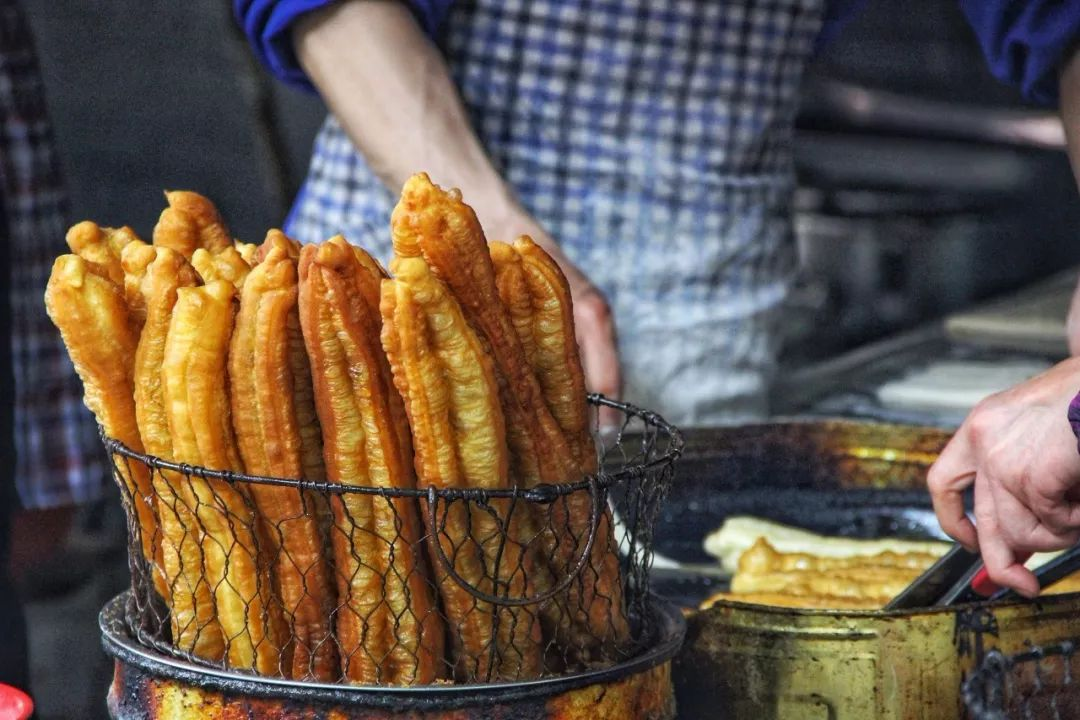
- You Tiao (油条): This iconic golden, crispy, deep-fried dough stick was originally called You Zha Hui (油炸桧), meaning "Oil-fried Qin Hui." To make it, bakers take two separate pieces of dough—representing Qin Hui and his wife—stretch them out, twist them tightly together, and plunge them into boiling oil to be fried alive for eternity.
The result? A perfectly fried You Tiao is shatteringly crisp on the outside, yet incredibly airy, chewy, and pillowy on the inside.
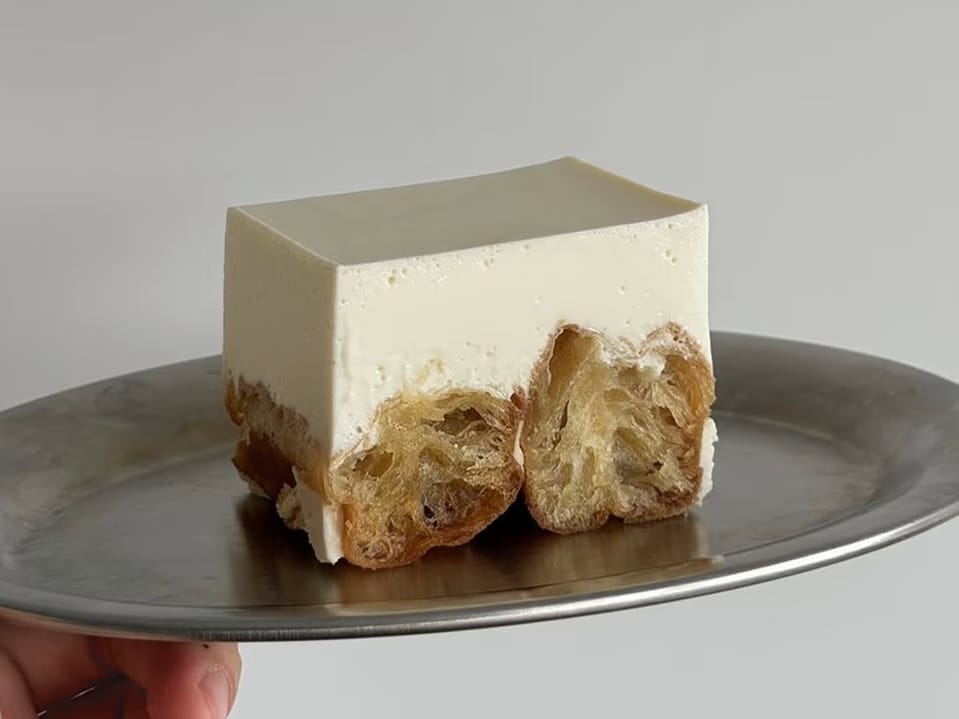
While born in Hangzhou, it has conquered the entire nation to become China's ultimate breakfast staple. It is so versatile that you will find it gracing bowls of velvety Cantonese congee, wrapped inside savory sticky rice rolls, etc,.
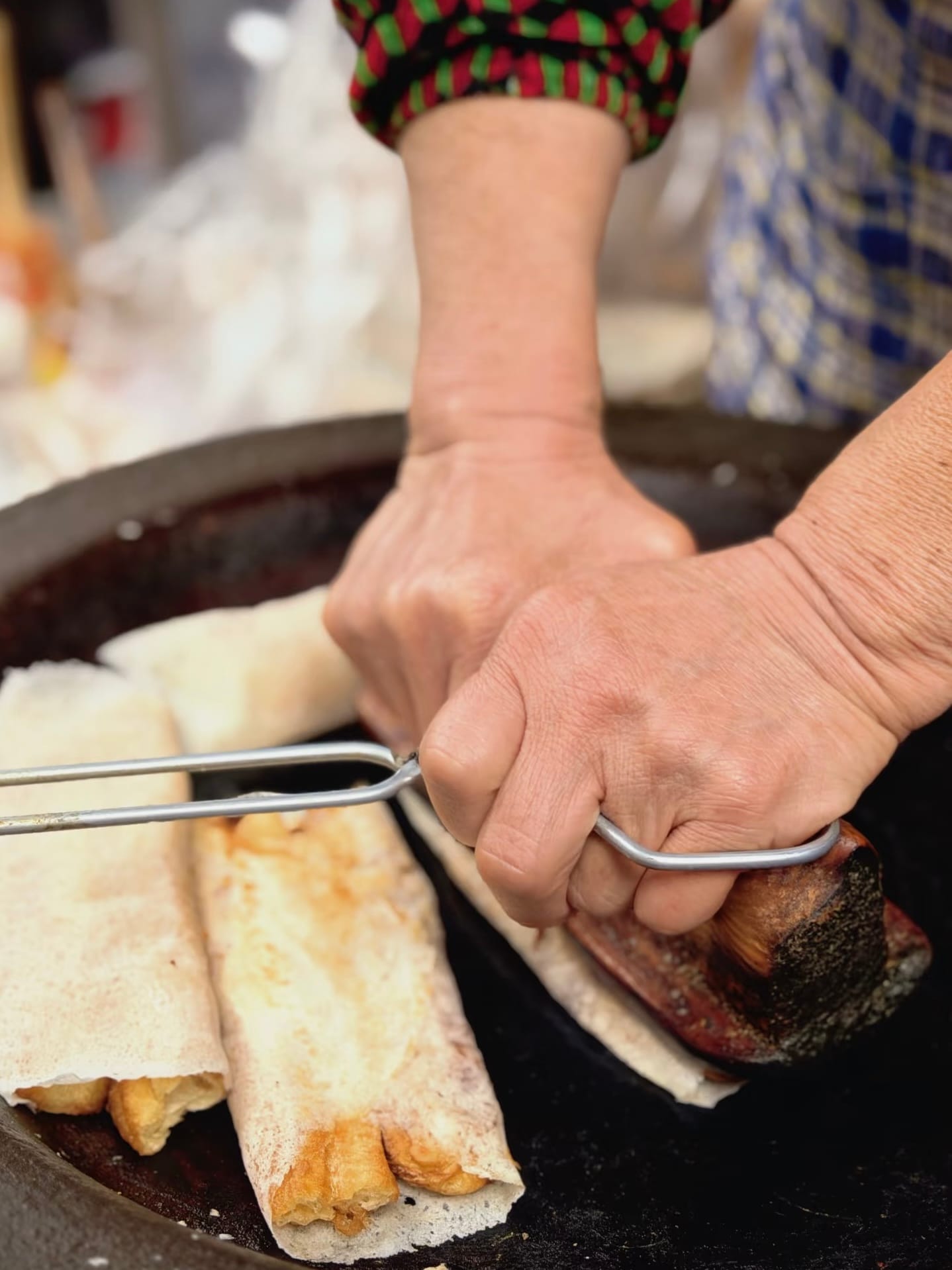
- Cong Bao Hui (葱包烩): Its name literally translates to "Scallion-Wrapped Qin Hui"—an edible act of torture where the chef wraps the You Tiao (the traitorous couple) tightly in sharp, pungent spring onions to "spice and choke" them to death, and then viciously smashes them flat on a griddle. Pressed until shatteringly crisp, this delicious "punishment" is served brushed with a savory-sweet sauce or a kick of chili, offering a harmony of sweet, savory, and double-layered crunch.
⚠️ Contains gluten/wheat.
Hangzhou Stinky Tofu (杭州臭豆腐) & The "Double Stink" (双臭)
If you think Jiangnan food is strictly sweet and delicate, Hangzhou’s fermentation game will surprise you. Hangzhou stinky tofu is golden and airy, boasting a distinct "clean" pungency derived from fermenting tofu in a localized amaranth stalk brine (霉苋菜梗汁).
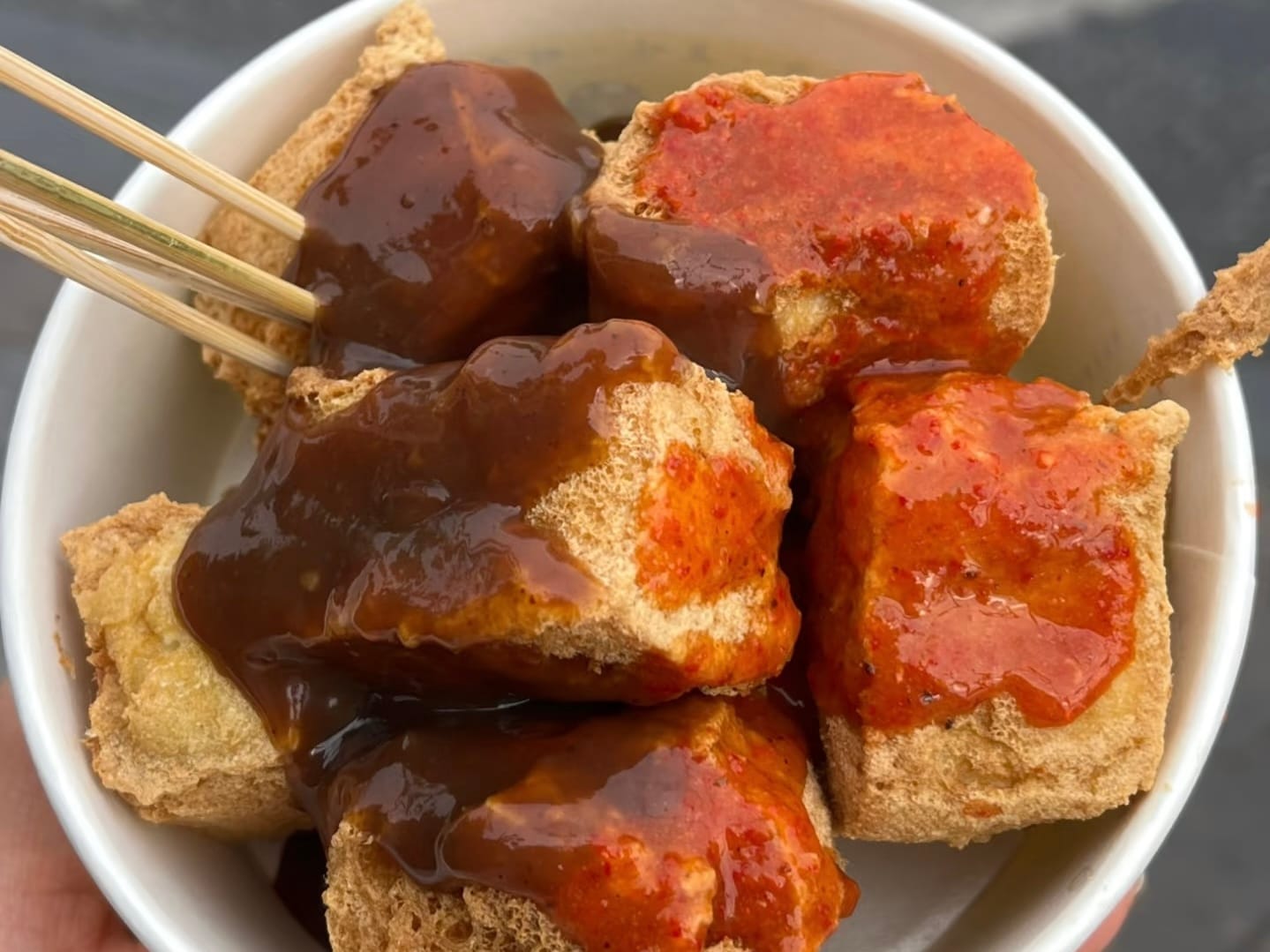
Locals love pairing these tender, pungent cubes with fresh green soybeans in a classic dish called Steamed Stinky Tofu with Fresh Edamame (臭豆腐蒸毛豆). The heat of the steamer transforms the tofu into an incredibly smooth, custard-like texture that melts in your mouth, creating a beautiful contrast between the funky, savory depth of the fermentation and the crisp, sweet freshness of the springtime beans.
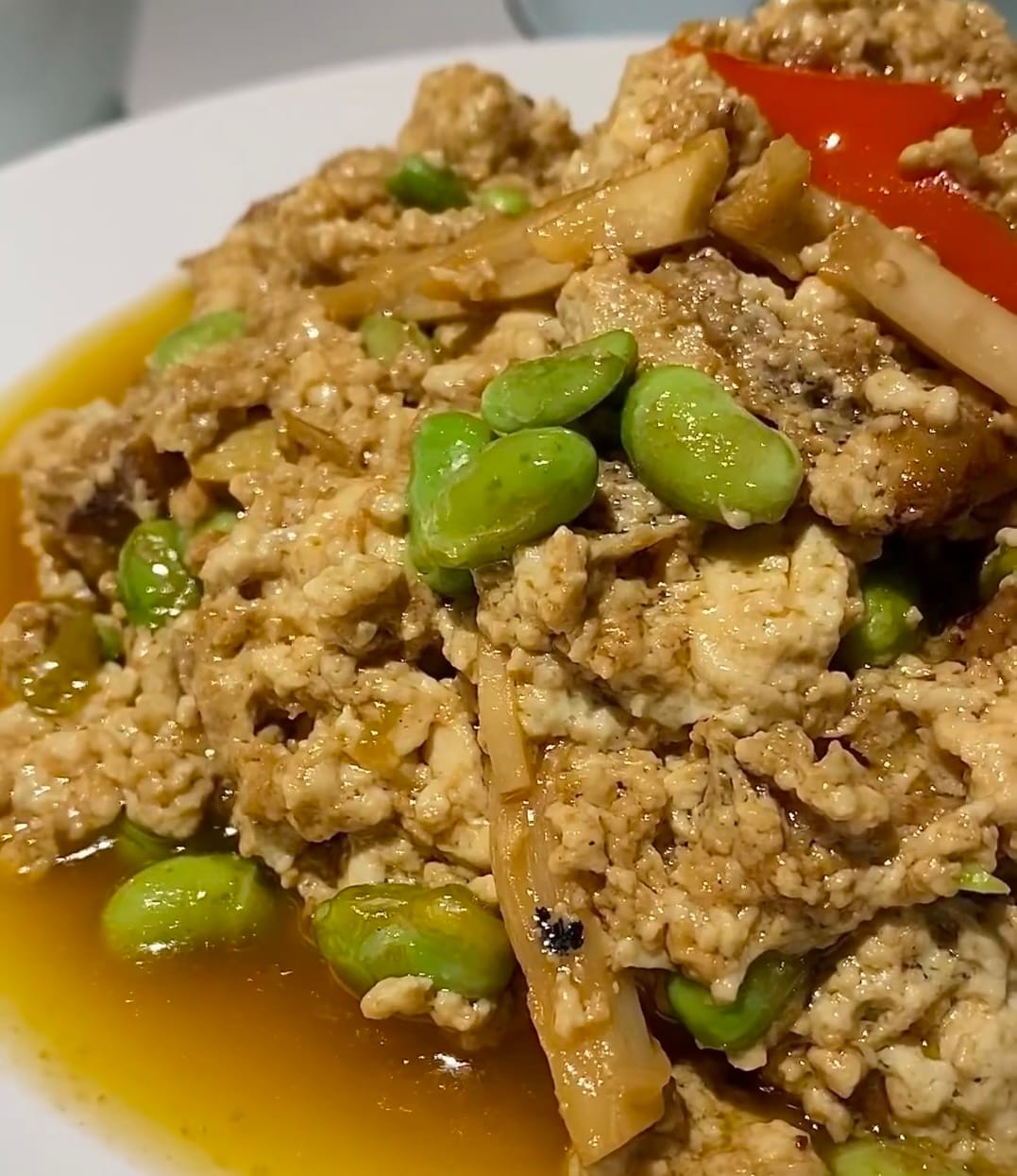
For the culinary brave, the ultimate local dish is the infamous "Double Stinks" (双臭), which steams the stinky tofu alongside fermented amaranth stalks. It releases an intensely concentrated umami punch that local foodies absolutely adore.
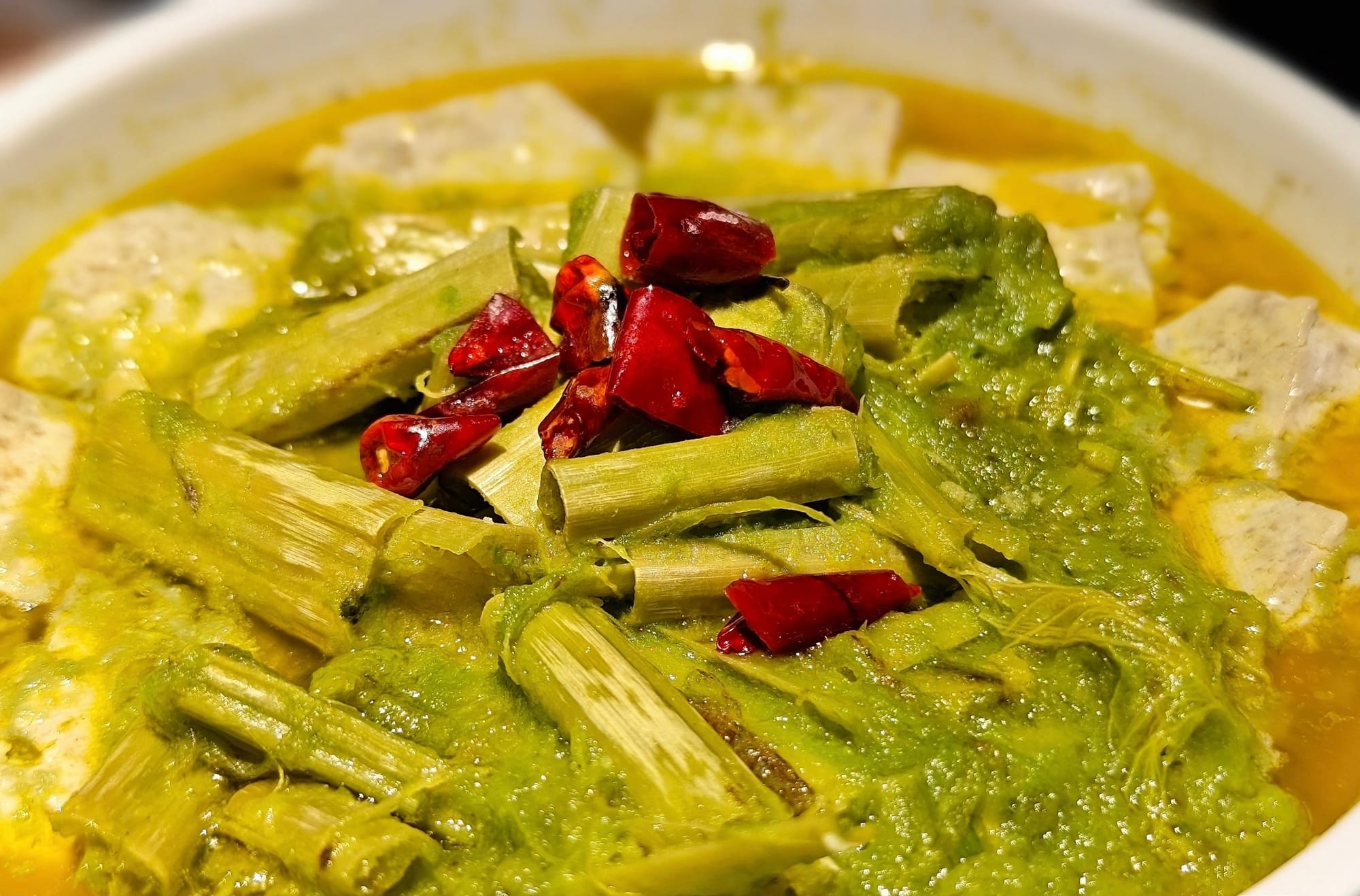
⚠️ Contains soy.
Ding Sheng Gao / Victory Cakes (定胜糕)
"Ding Sheng" translates to "Assured Victory." In Southern Song Dynasty, when General Yue Fei’s patriotic army marched to the frontlines to defend the capital from northern invaders, the citizens of Hangzhou baked these specialized cakes to boost military morale and wish the soldiers safe return.
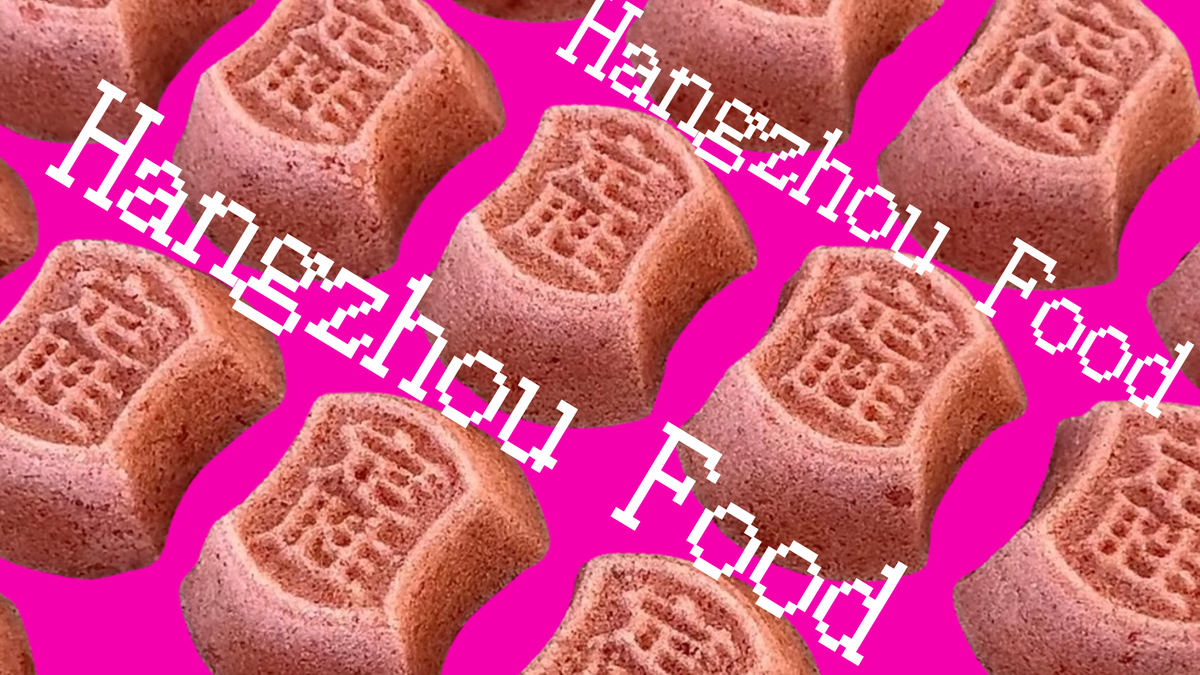
Made from premium rice flour, these soft, fluffy steamed cakes are naturally colored a beautiful rose-pink and molded into the shape of a traditional ingot. Stuffed with sweet red bean paste and infused with fragrant, local osmanthus flower honey, they offer a comforting, delicate sweetness.
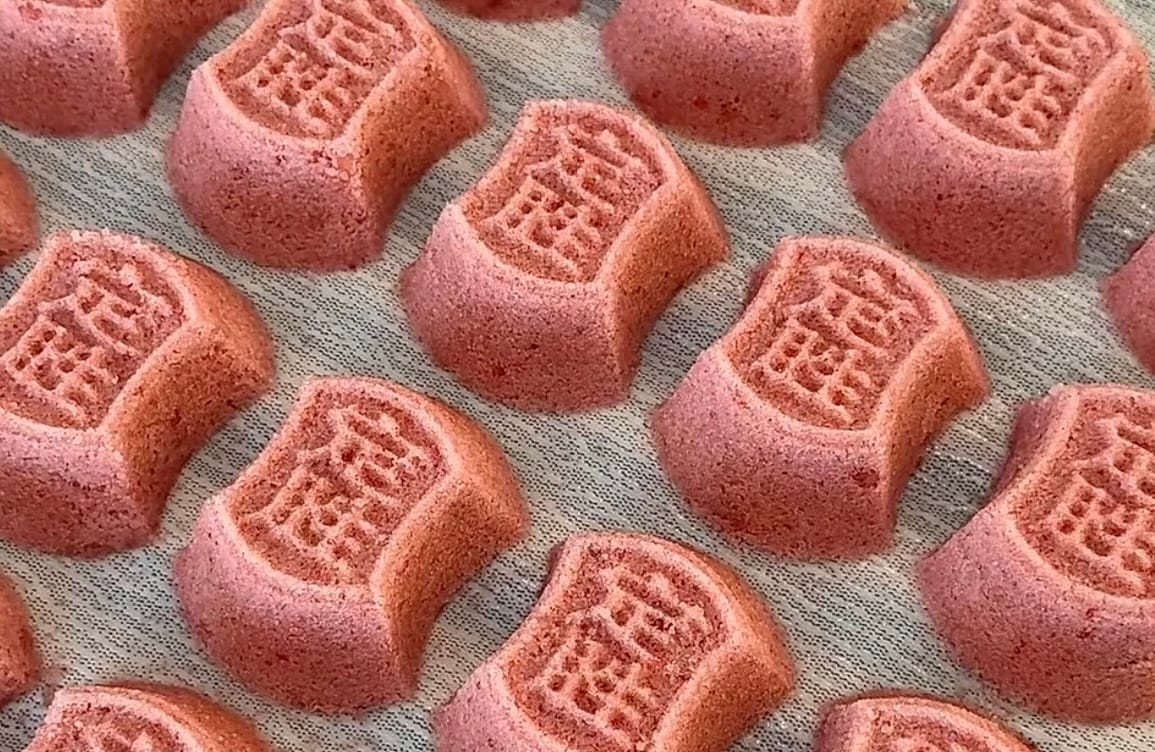
Generally gluten-free and vegan.
Zha Su Yu / Crispy Glazed Fish (炸酥鱼)
Fresh freshwater grass carp is sliced and flash-fried until the edges and bones become incredibly crunchy. While still piping hot, the fish is immediately submerged into a deeply flavorful, chilled sweet soy marinade. The contrast between the hot, crunchy exterior and the cool, aromatic sweet-soy glaze makes it an incredibly addictive local favorite.
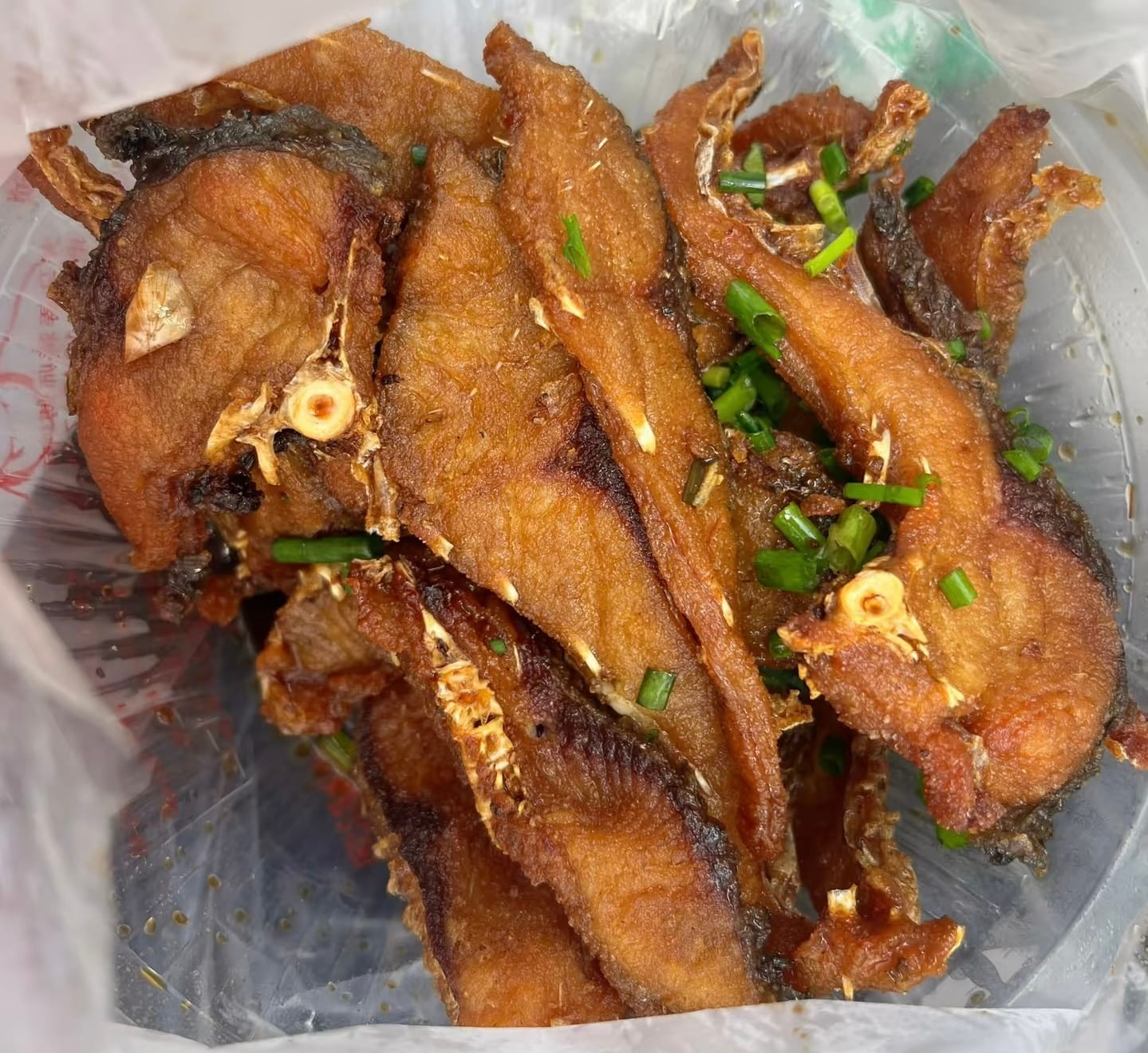
⚠️ Contains fish, soy, and wheat (in the soy sauce). Watch out for small fish bones.
Gui Hua Nuo Mi Ou / Osmanthus Stuffed Lotus Root (桂花糯米藕)
A gorgeous example of Jiangnan’s love for delicate, natural aromas. Crisp, hollow segments of lotus root are stuffed tightly with sticky glutinous rice, slow-braised for hours in a rich brown sugar syrup, sliced, and drizzled with sweet, floral osmanthus honey. It is chewy, starchy, and intensely fragrant.
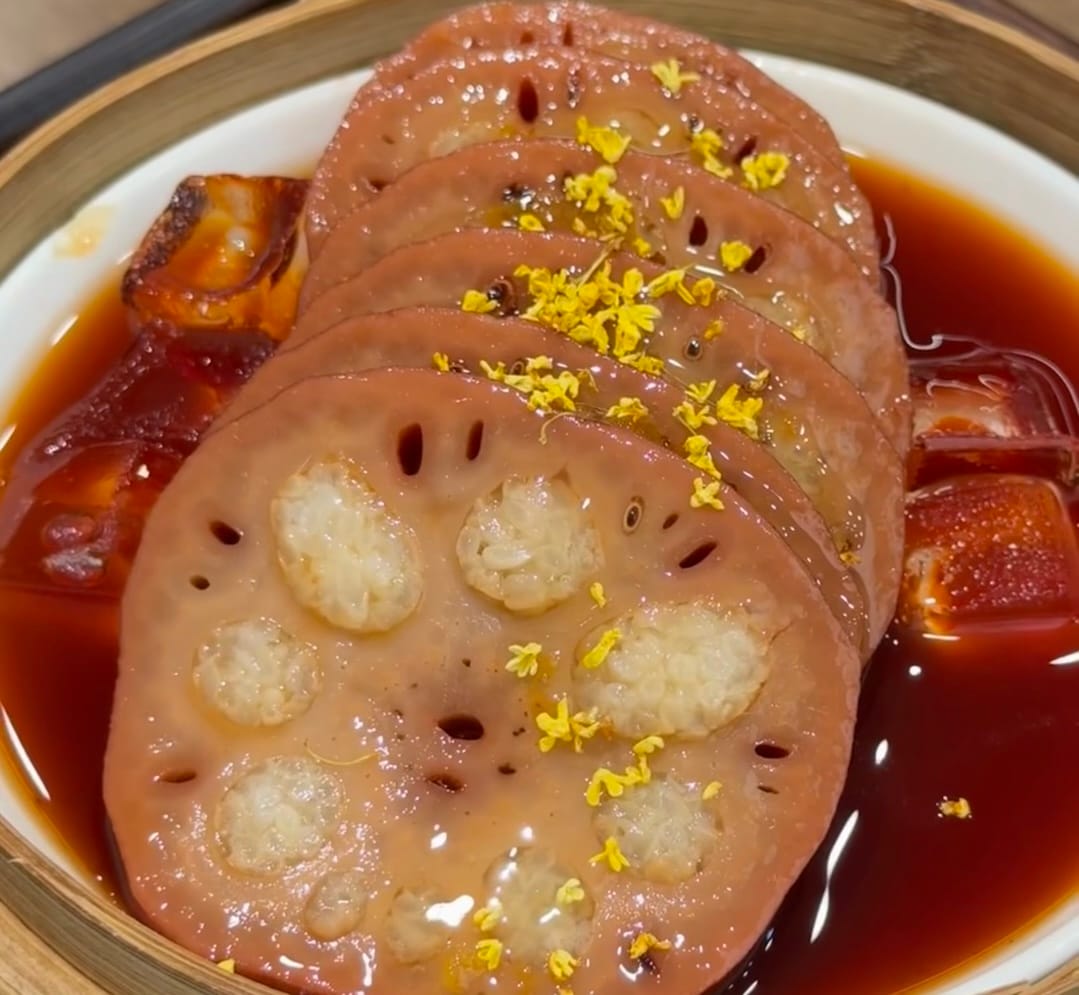
Naturally gluten-free and vegan.
2. Iconic Masterpieces: The Scholar’s Table
Hangzhou’s elite dining culture was heavily shaped by its ancient governors, poets, and emperors. These dishes are designed to let the natural quality of the local ingredients shine through.
Dongpo Pork (东坡肉)
Named after Su Dongpo, one of China’s greatest classical poets, calligraphers, and ancient governors of Hangzhou. While orchestrating the massive project of dredging West Lake, he created this slow-braising method to feed and thank the thousands of construction workers.
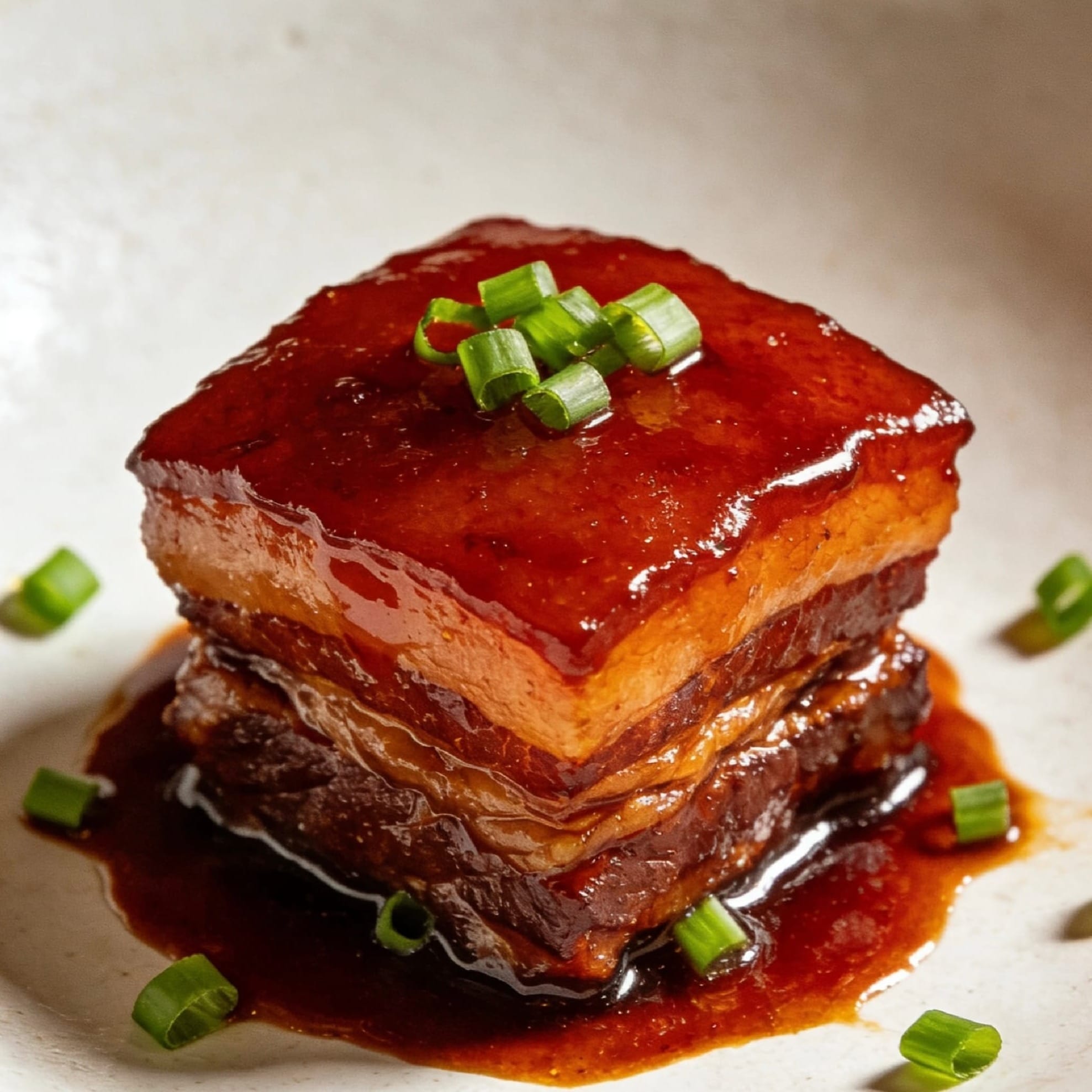
Perfect, thick cubes of pork belly are slow-cooked for hours inside a sealed clay pot with aged Shaoxing rice wine, ginger, scallions, and soy sauce. The long, gentle heat renders the fat into pure, gelatinous silk, creating a rich dish that melts instantly on the tongue without ever feeling greasy.
⚠️ Contains soy, wheat (from the soy sauce and Shaoxing wine).
Longjing Shrimp (龙井虾仁)
This dish is perhaps the purest expression of Hangzhou's terroir. Plump freshwater river shrimp are quickly stir-fried with freshly picked Longjing (Dragon Well) tea leaves harvested from the nearby hills each spring. In Hangzhou, the youngest Longjing leaves are prized not only for brewing tea but also for cooking—their delicate texture is tender enough to eat, lending dishes a subtle floral aroma and fresh, grassy sweetness. The result is remarkably minimalist: jade-white shrimp against emerald-green tea leaves, with a clean, elegant finish.
According to local legend, the dish became famous after the Qianlong Emperor in Qing Dynasty visited Hangzhou during one of his southern tours. Captivated by Longjing tea, he inspired chefs to pair the prized spring leaves with the region's freshwater shrimp, creating what would become one of Hangzhou's signature dishes.
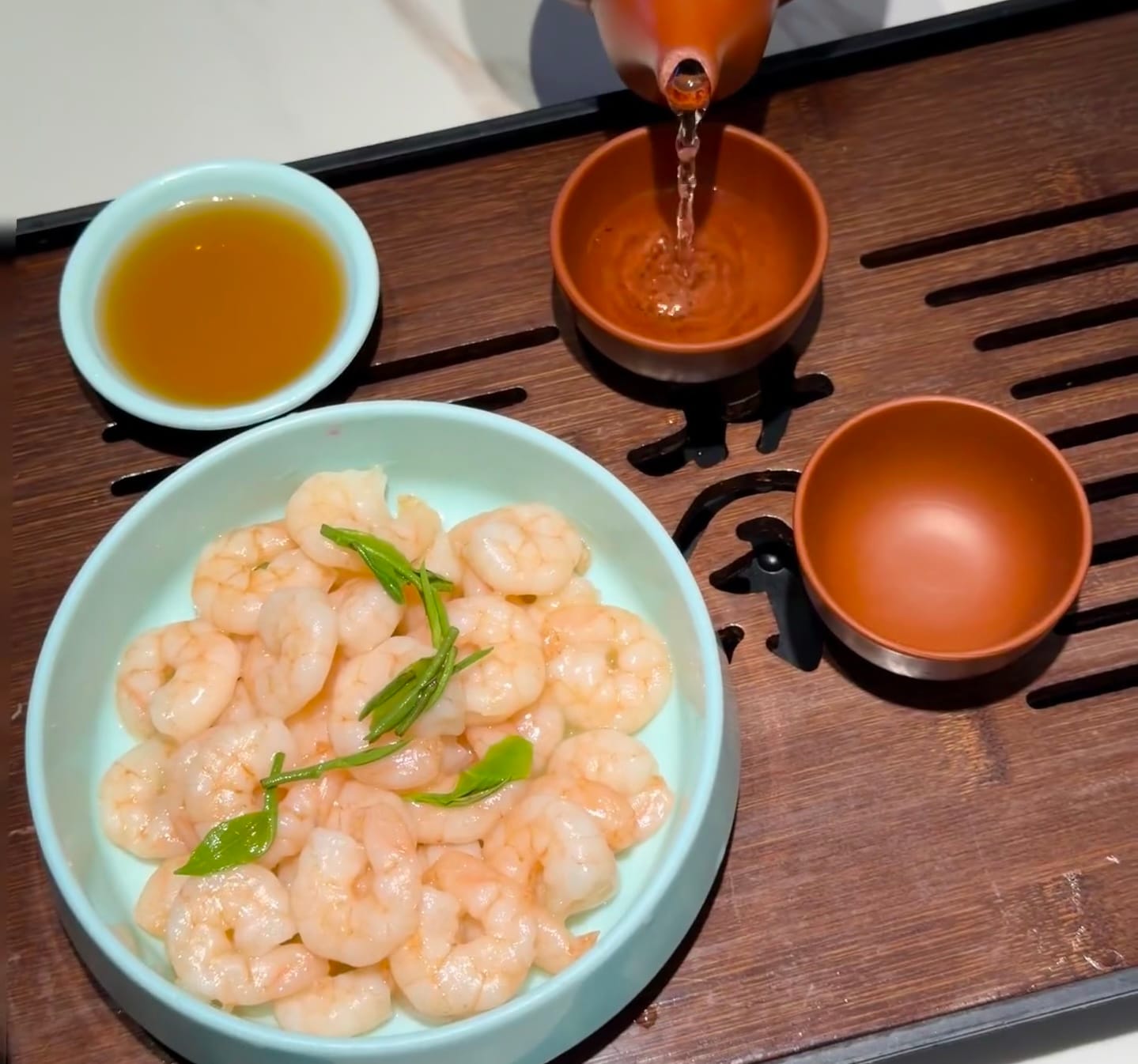
⚠️ Contains shellfish.
Beggar’s Chicken (叫花鸡)
Folk legend says a destitute beggar stole a chicken but had no pots or pans to cook it. In desperation, he wrapped the bird in lotus leaves, encased it entirely in thick lake mud, and buried it under hot campfire embers. An imperial official passing by smelled the incredible aroma, tracked down the recipe, and elevated it to a royal delicacy.
Today, the chicken is stuffed with mushrooms, herbs, and pork before being wrapped in lotus leaves and slow-baked. Cracking open the hardened outer shell at your table releases an incredibly concentrated, earthy, and juicy aromatic steam.
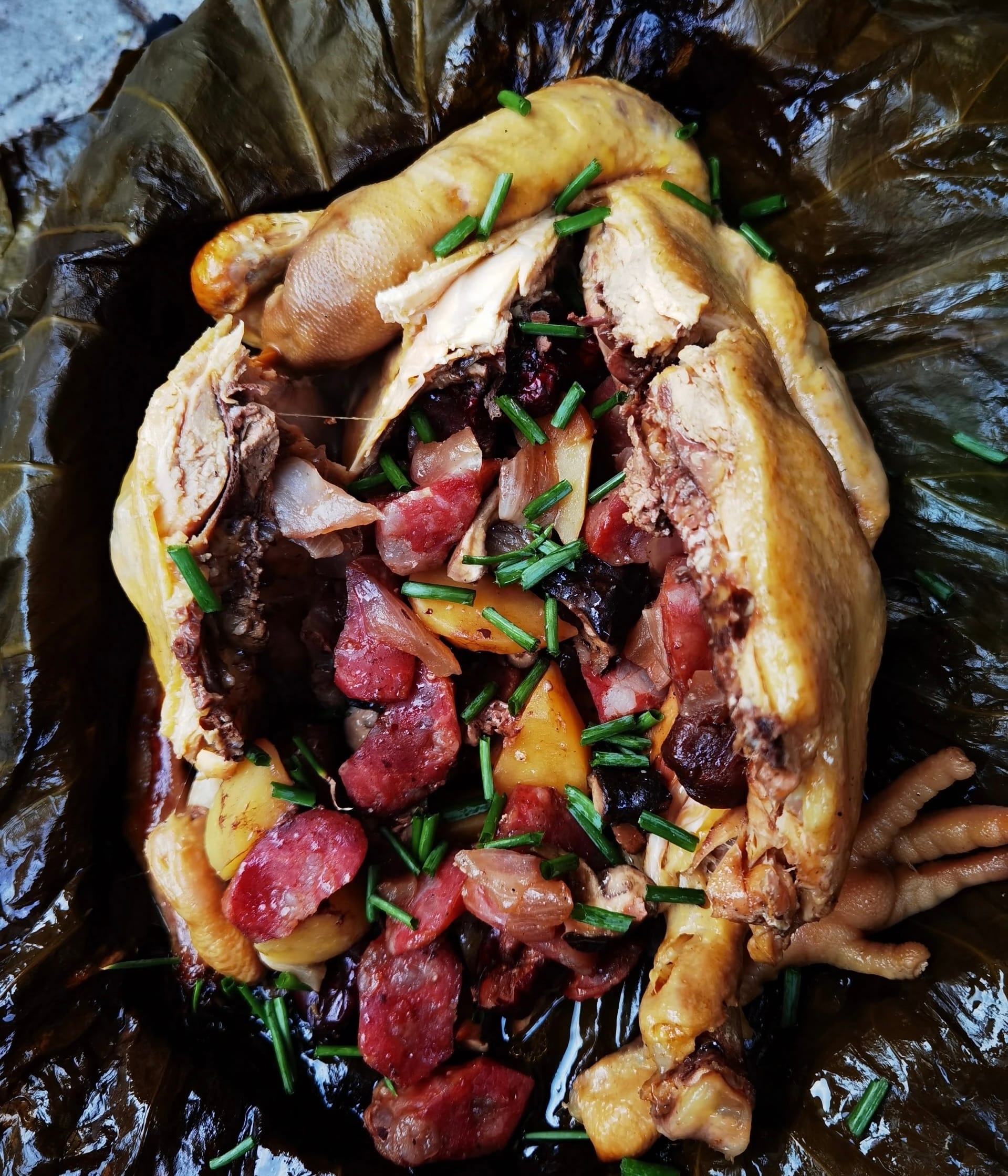
⚠️ Contains soy, wheat (used to seal the wrapper), and mushrooms.
Yan Du Xian / Spring Bamboo & Pork Soup (腌笃鲜)
- Yan (腌): Aged, savory salt-cured pork.
- Xian (鲜): Tender, juicy fresh pork belly.
- The Spring Secret: Crisp, sweet spring bamboo shoots (春笋) harvested fresh that morning.
The word Duo (笃) describes the gentle "du-du-du" bubbling sound of the soup as it simmers. Without adding any salt or MSG, the fat from the fresh pork and the salt from the cured meat melt together, turning the broth into a rich, milky-white umami explosion.
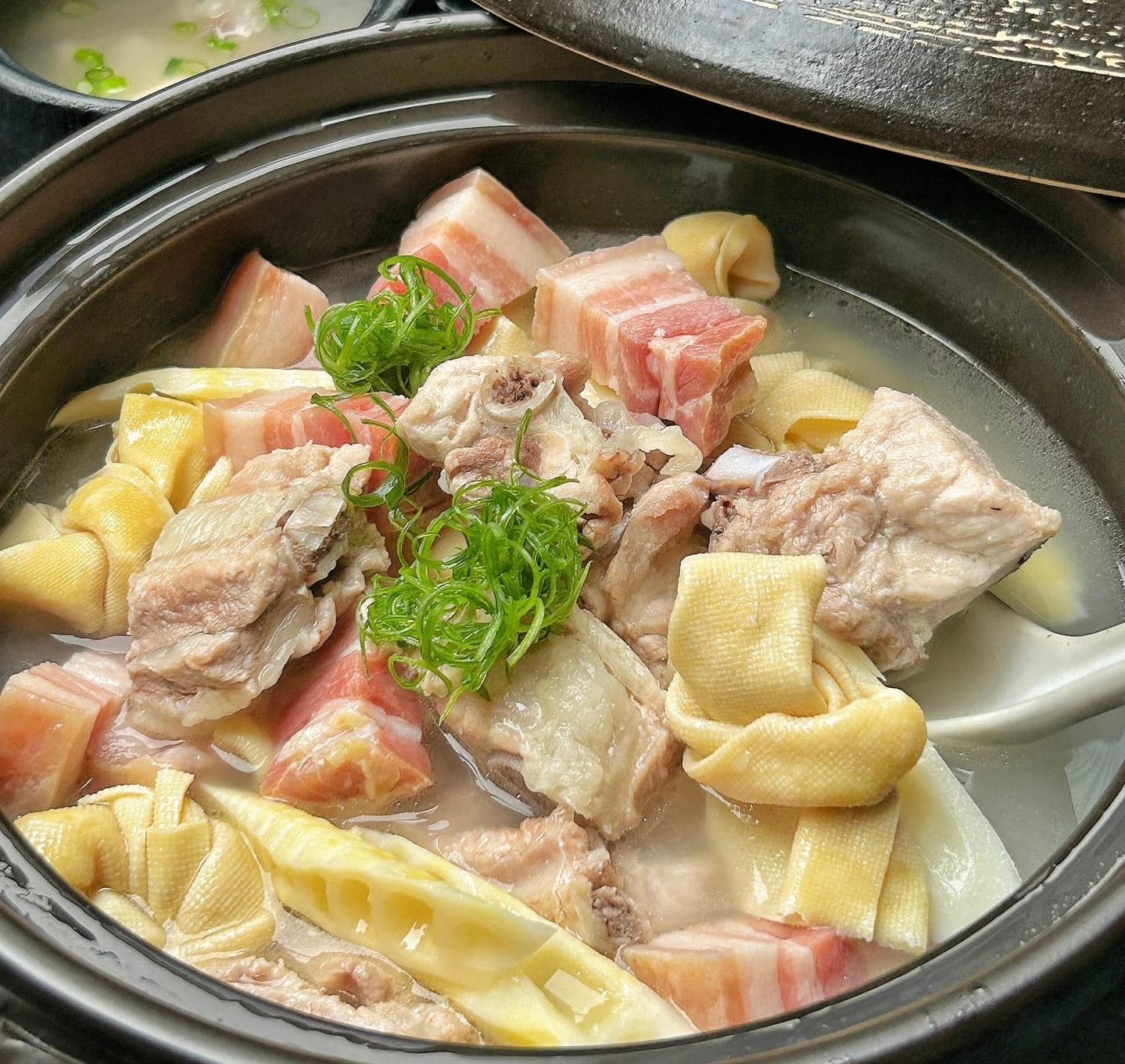
⚠️ Highly safe for most, but contains bamboo shoots, which some people with sensitive digestions avoid.
Pian Er Chuan Noodle (片儿川)
Hangzhou's definitive comfort noodle, best experienced at Kuiyuan Noodle Hall (奎元馆)—a legendary noodle institution founded in 1867.
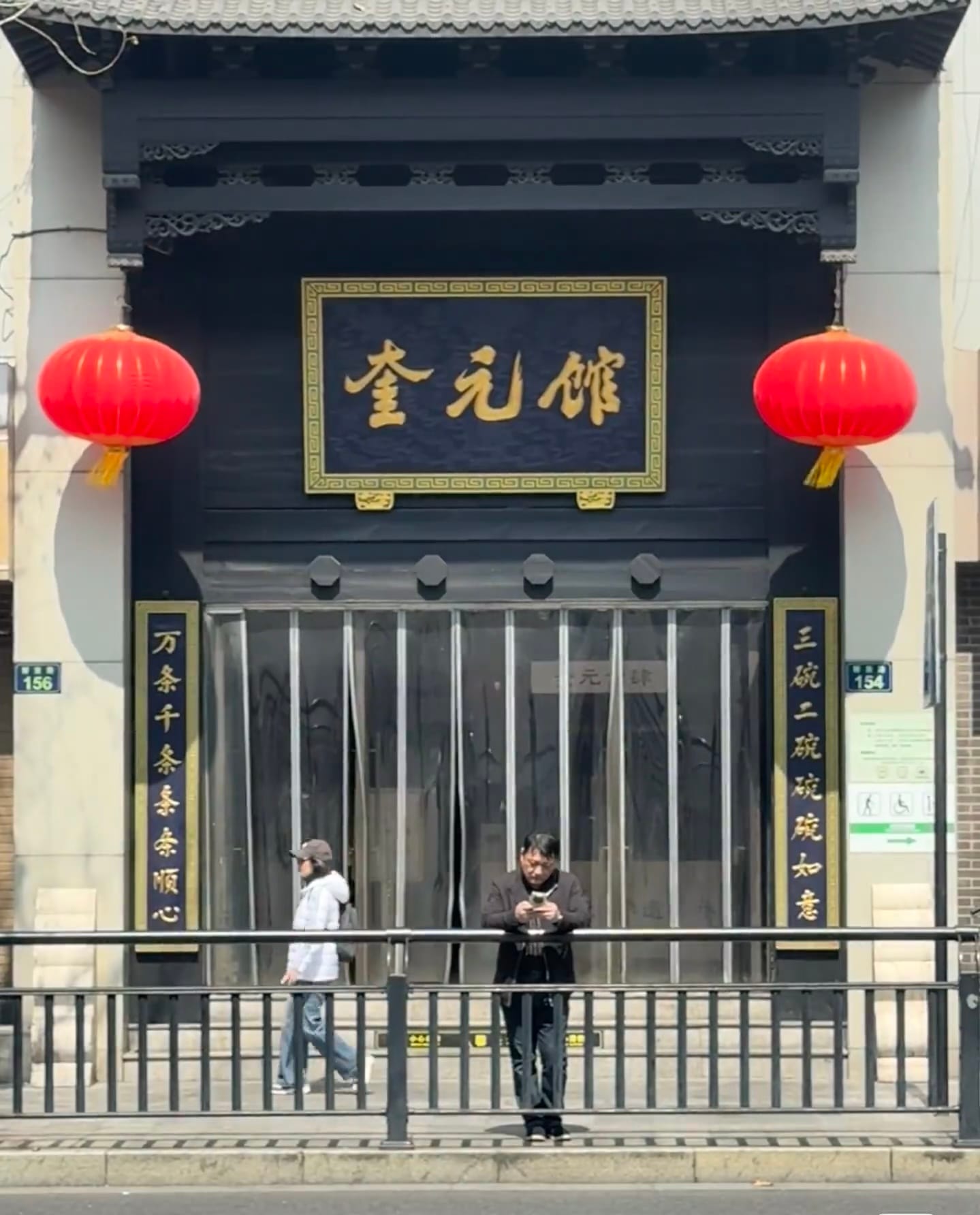
The magic of this historic eatery is forever tied to a heartwarming imperial exam legend. During the Qing Dynasty, a desperately poor and starving scholar traveled to Hangzhou to take the provincial imperial examinations. Taking pity on his plight, the kind-hearted owner of a noodle shop served him a warm, hearty bowl of noodles topped with pork, bamboo shoots, and three hard-boiled eggs (symbolizing passing all three levels of exams with top honors).
The young scholar went on to score the absolute highest rank in the empire, officially becoming the "Zhuangyuan" (状元 - Imperial Top Scholar). To repay the owner's kindness, he returned to the noodle shop and personally brushed the calligraphy for the sign "Kuiyuan Hall" (meaning "The Hall of the First Rank").
Since then, it has been a sacred local tradition for students, scholars, and professionals to eat a bowl of Pian Er Chuan at Kuiyuan Hall for good luck and success. Today, this comforting dish features chewy wheat noodles served in a deep, savory pork bone broth, topped with sliced pork, preserved potherb mustard greens (雪菜), and fresh, crisp bamboo shoots.
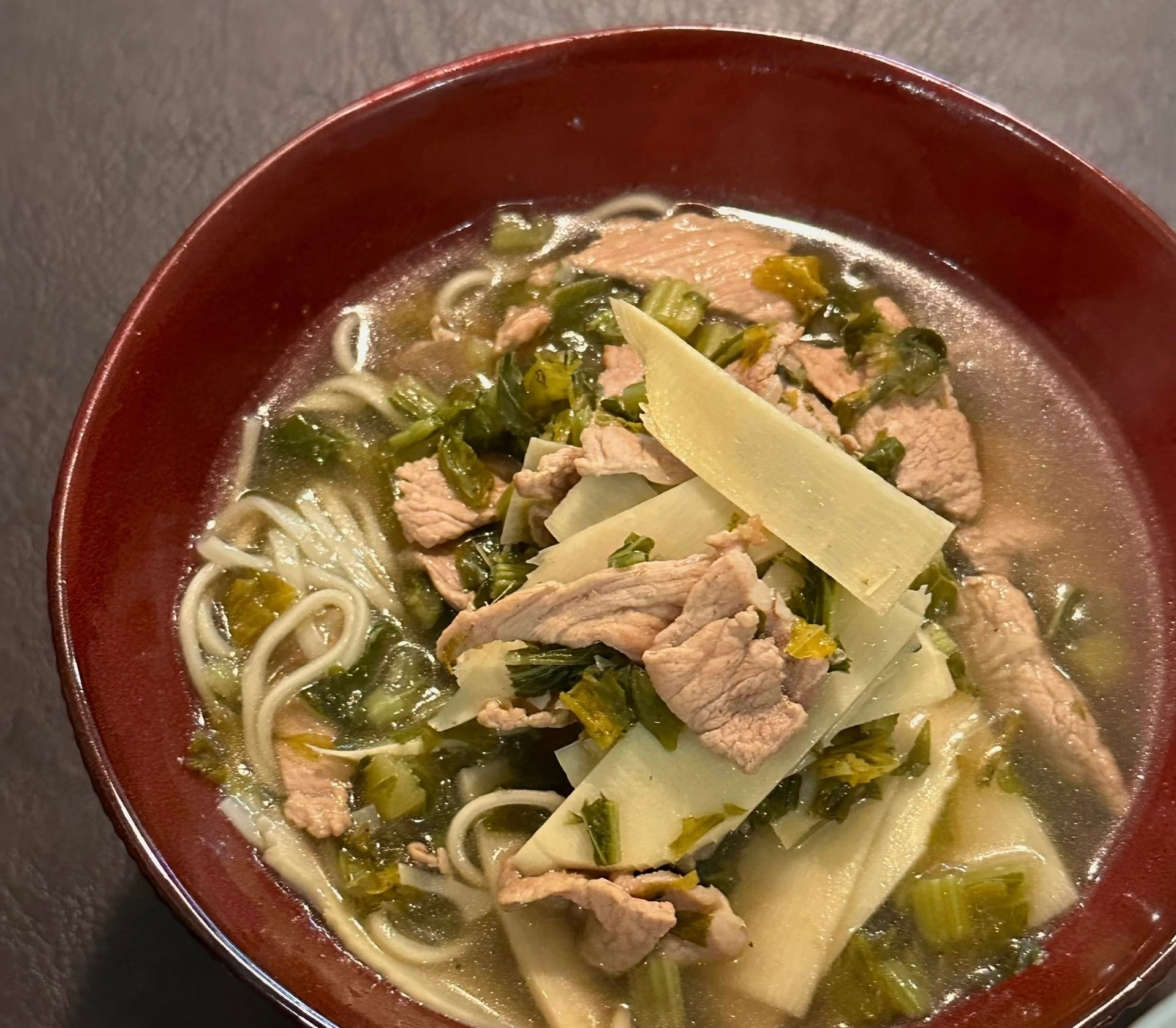
Contains wheat/gluten and soy.
3. Hangzhou Desserts: Elegant & Delicate Sweets
Hangzhou’s desserts are visual art pieces—gentle, low in sugar, and deeply tied to the changing seasons of the city.
Ou Fen / Lotus Root Starch Soup (藕粉): A translucent, silky, gelatinous dessert soup served hot, mixed with dried fruits, crunchy nuts, and floral syrup. It is celebrated locally for its incredibly smooth, comforting texture.
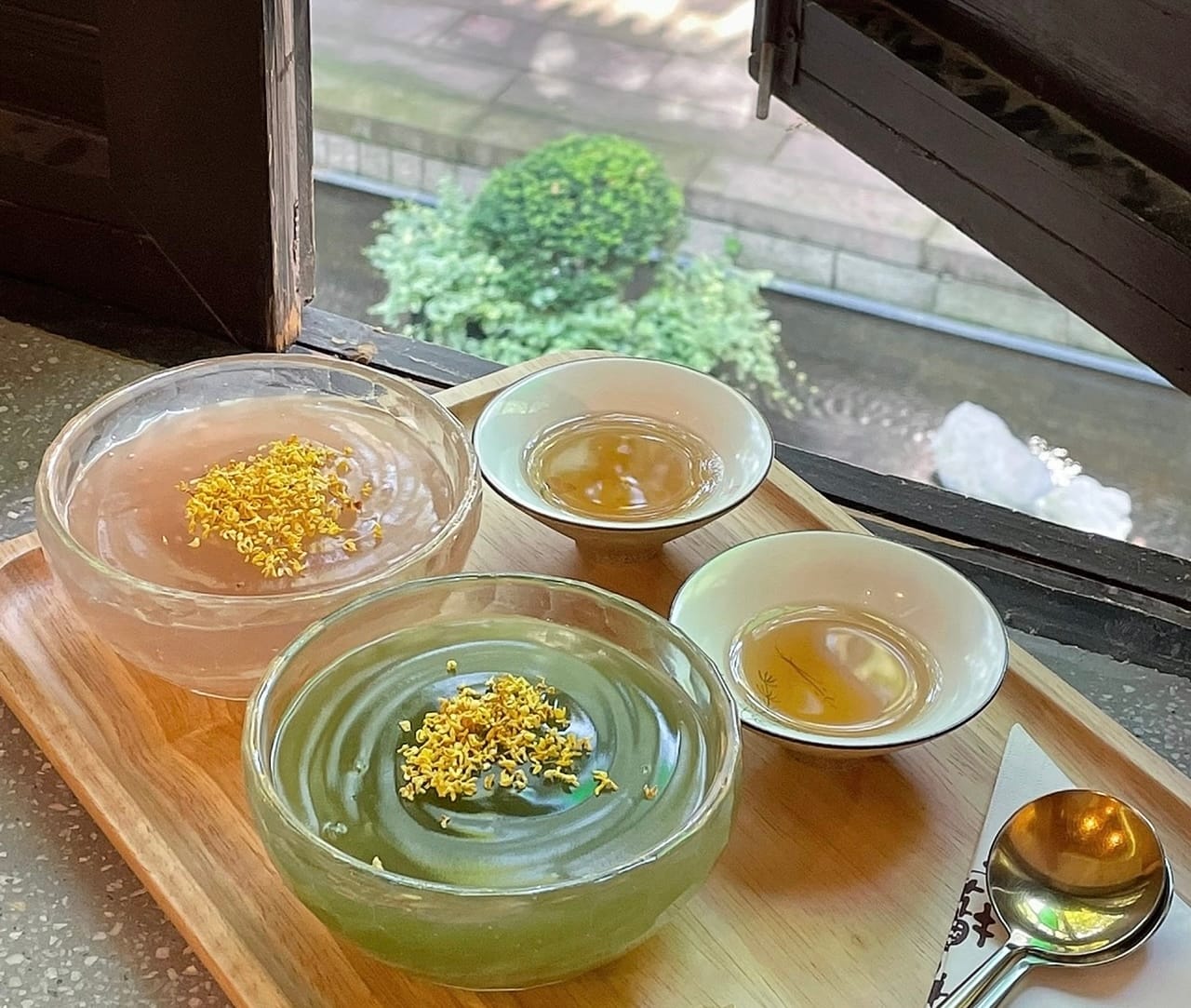
⚠️ Often topped with sesame seeds and peanuts; check for tree nut allergies.
Longjing Cha Su / Green Tea Pastry (龙井茶酥): A refined, flaky pastry infused with finely ground local green tea powder, offering an earthhby, bittersweet counterpoint to its sweet red bean or lotus paste filling.
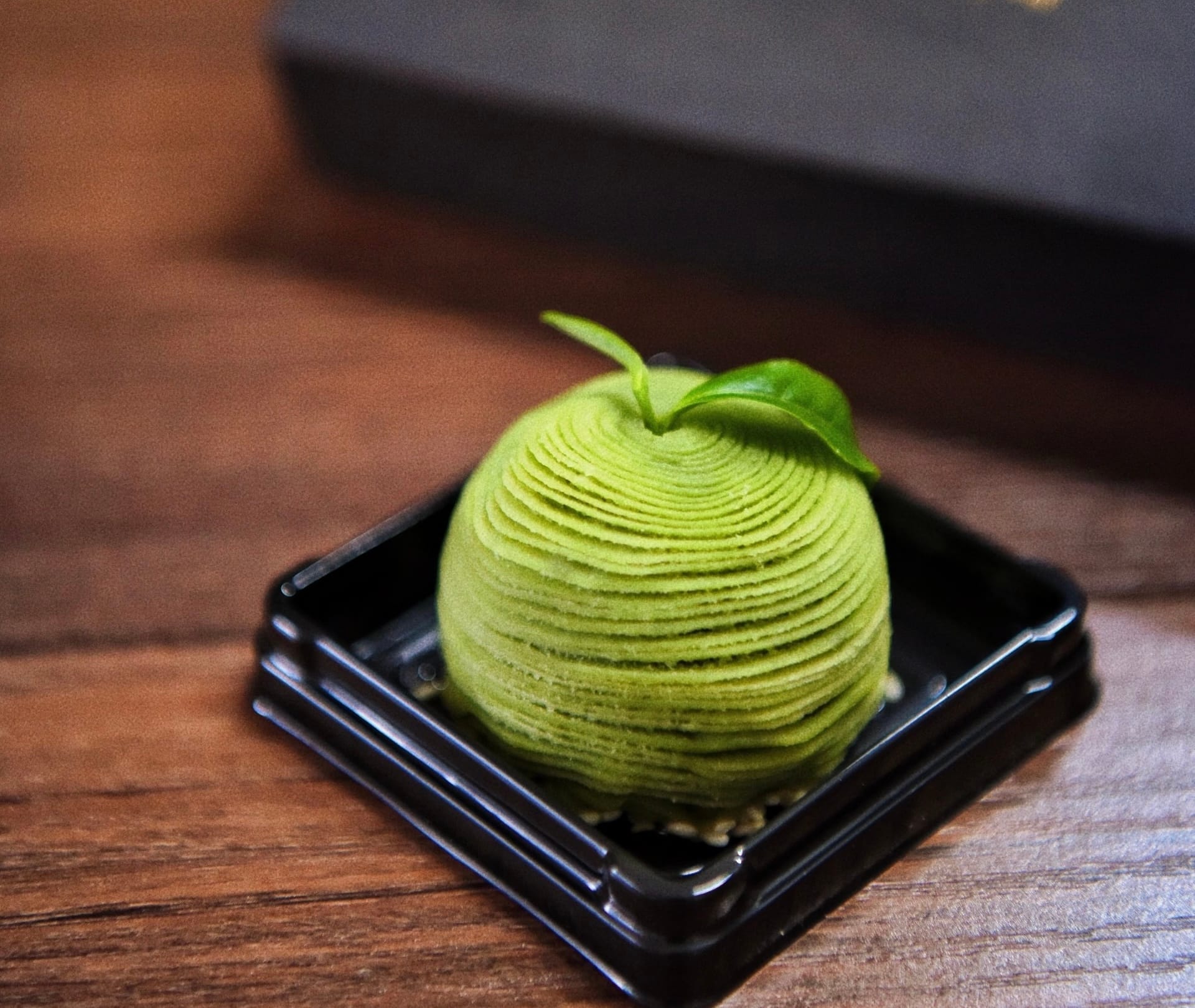
⚠️ Contains wheat/gluten and dairy product.
He Hua Su / Lotus Pastry (荷花酥): An incredibly intricate, multi-layered pastry meticulously shaped and fried to look like a blooming pink lotus flower, paying homage to the famous summer blossoms of West Lake.
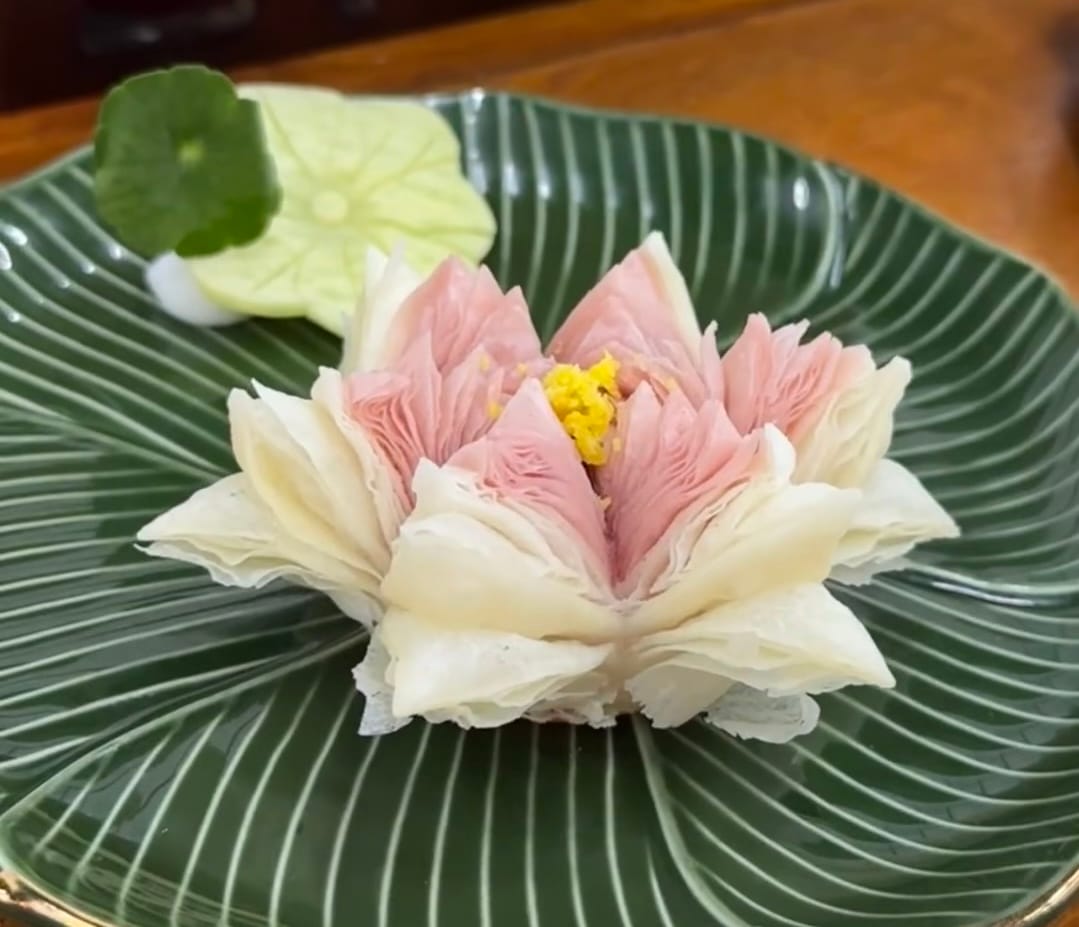
⚠️ Contains wheat/gluten, lard and dairy product.
Jiu Niang (酒酿): A sweet, naturally fermented glutinous rice soup perfumed with dried osmanthus petals, often filled with tiny, chewy rice dumplings. Served chilled, it is the ultimate refreshing cold treat for a scorching summer day.
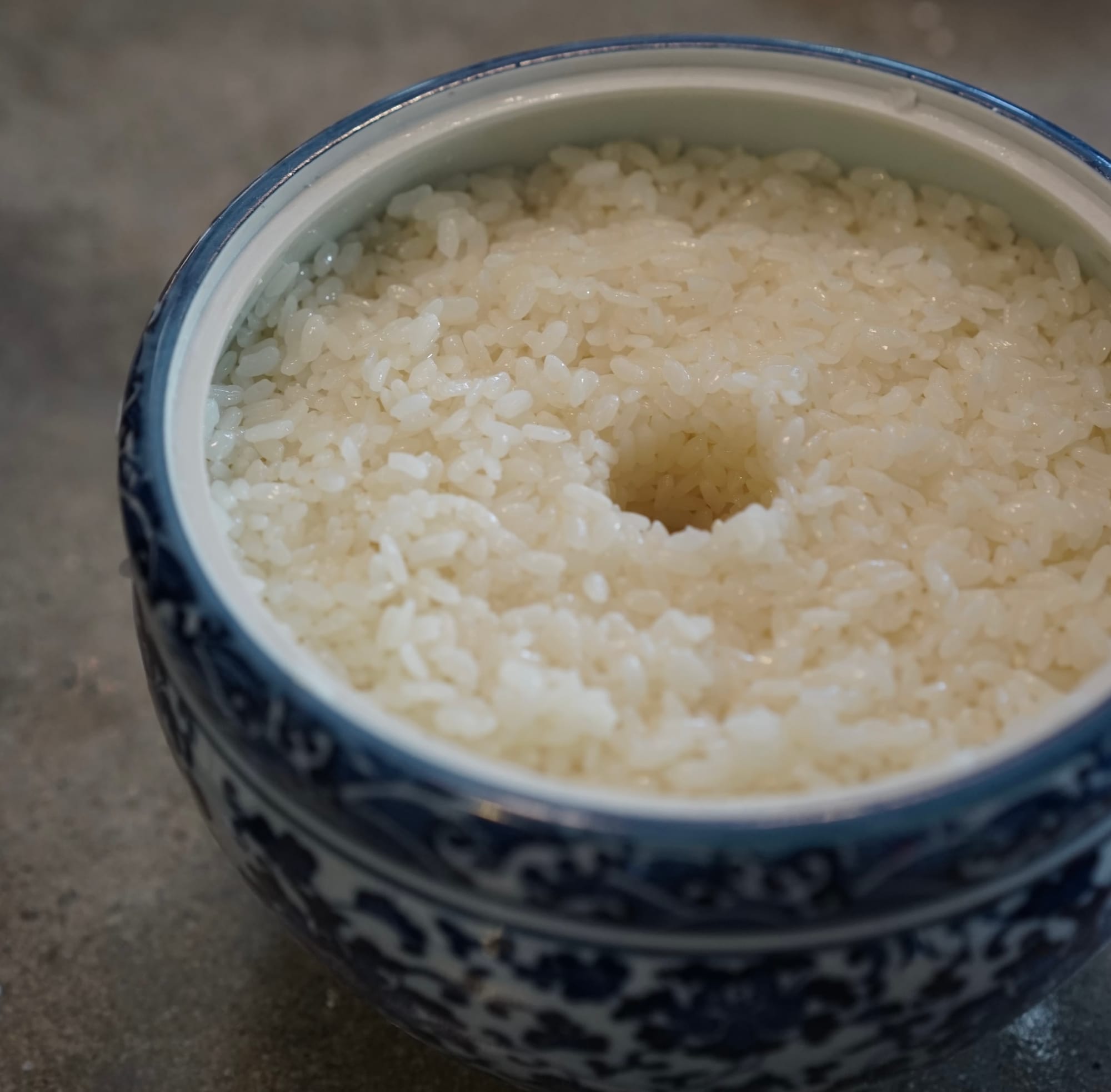
Does it contain alcohol? Despite having "Jiu" (wine) in its name, you won’t get drunk off this! The natural fermentation process produces a tiny, negligible trace of alcohol (usually around 0.5% to 1.5% ABV, similar to a very ripe banana or kombucha). It is beloved by locals of all ages—including kids—not for an alcohol buzz, but for its gentle, fruity sweetness and comforting warmth.
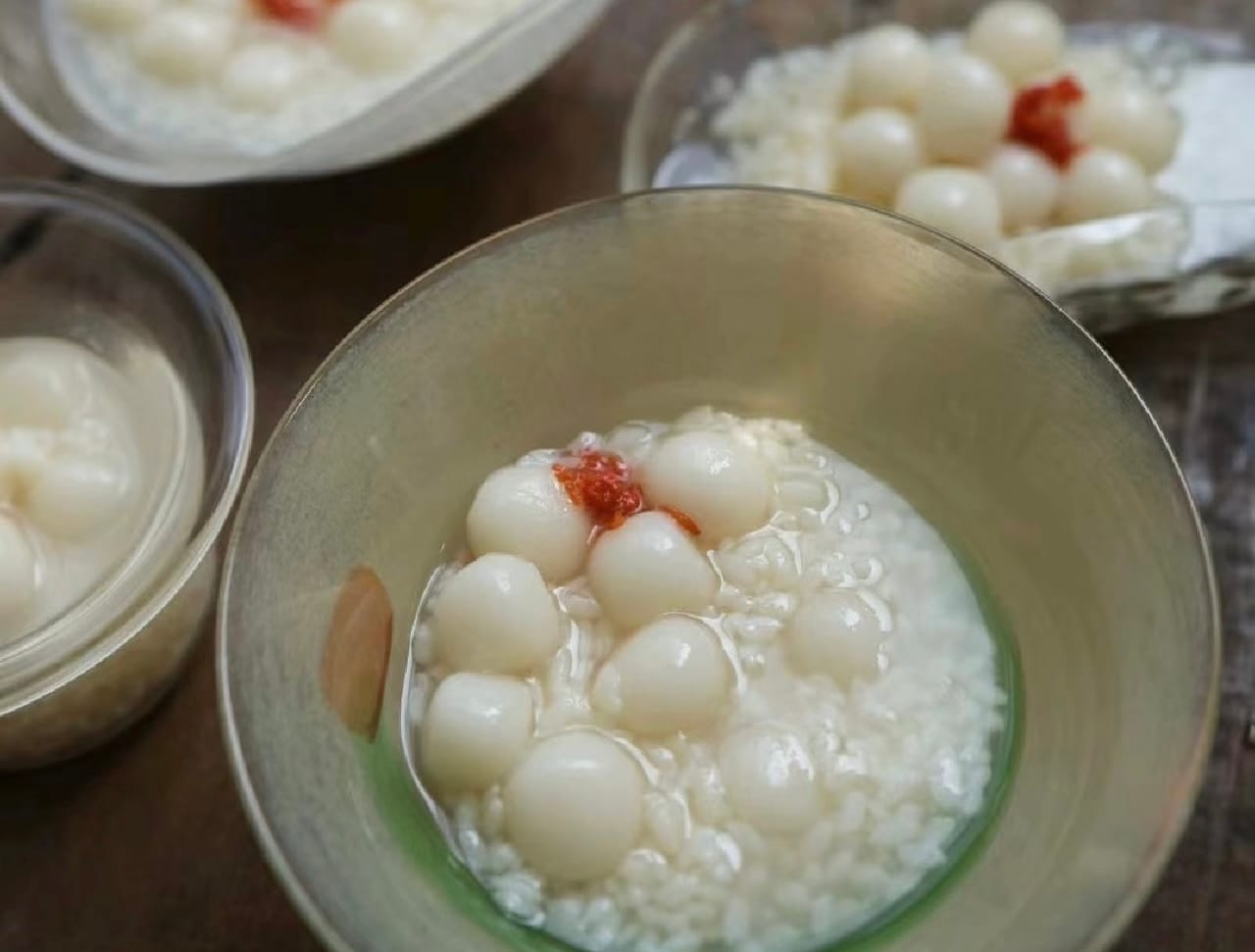
⚠️ Contains trace amounts of alcohol from fermentation; contains gluten.
Want to Taste All of This? Join My Tour!
If the stories and flavors above made your mouth water, we built this tour specifically to let you experience them all in one afternoon.
We designed the perfect physical rhythm so you can eat, digest, and explore without feeling overwhelmed:
- Taste Everything We Just Mentioned: We will deep-dive into Dama Lane (大马弄), Hangzhou's last remaining open-air wet market. You’ll try the freshly pressed Cong Bao Hui (and smash the traitor yourself!), local street foods, and regional desserts.
- The Perfect Digestive Walk: No food comas here! In between snacks, we will hike up Wushan Hill (吴山 - Hangzhou's green "city living room") to explore quiet Buddhist grottos and temples, giving your stomach a perfect break.
- From Ancient to High-Tech: Experience Hangzhou's dual soul. We’ll start with artisanal coffee in a historic alley, and later step into a futuristic, high-tech Alibaba grocery store to see how modern locals shop.
- A Proper Dinner Finale: We don't end on street snacks. We finish with a proper sit-down dinner—whether you want a legendary bowl of Pian Er Chuan noodles at Kuiyuan Hall (奎元馆) or a curated local feast.
- Optional Pub Crawl Extension: Still have energy? If you're up for it, we can keep the night going and take you to Hangzhou’s coolest bar streets for a local pub crawl!
Hangzhou Food Tour & Walk Through City History
💡 Quick Travel Tips for Your Hangzhou Adventure
To make the most of your trip, here is some essential planning advice compiled from our comprehensive Hangzhou travel guide:
- How to get here (and why a day trip isn't enough): While a Hangzhou day trip (from Shanghai) is physically incredibly easy—thanks to high-speed bullet trains that take just 45 minutes—almost every traveler we meet regrets only staying for a day. Hangzhou is vast, emotionally rich, and offers far more immersive things to do in Hangzhou than Shanghai's sterile skyscrapers. We highly recommend dedicating at least 2 to 3 days here.
- Flying directly to Hangzhou: You don’t even need to transit through Shanghai. Hangzhou Xiaoshan International Airport (HGH) is a massive, state-of-the-art global hub. You can fly directly into Hangzhou from major international destinations, including direct flights from London, Rome, Lisbon, Cairo, Tokyo, Seoul, Singapore, Kuala Lumpur, and Bangkok, as well as seamless domestic transfers from Beijing, Hong Kong, and Guangzhou.
- Best time to visit Hangzhou: Spring (March to May) is arguably the best time to visit Hangzhou because it is magic on a plate. This is when the hills of the Longjing tea village turn a vibrant green for the spring tea harvest. It is also the only time you can taste the sweet, crisp spring bamboo in Yan Du Xian. Autumn (September to November) is another wonderful option, when the sweet fragrance of blooming osmanthus flowers drifts across the waters of West Lake Hangzhou.