China Summer Travel Tips: Guide to Surviving Heat & AC Shock
Heading to China this summer? Don't let intense heat and brutal "AC shock" ruin your trip. Discover how to navigate the climate like a local, pack the ultimate "hard sun protection" gear, and master the $3 Chinese herbal potion that saves vacations instantly.

So, you’ve booked your dream summer trip to China. Your visa is sorted, your payment apps are set up, and your itinerary is packed with iconic stops from the Terracotta Army to Shanghai’s Bund.
But there is one fierce local element you might not be fully prepared for: the uncompromising Chinese summer.
A few days ago, my Japanese friends arrived in the historic city of Xi'an. They flew in from Okinawa—a tropical island paradise—thinking they knew a thing or two about heat. But even at a seemingly mild 32°C (90°F), the humid, baking atmosphere of the Shaanxi plains combined with aggressive indoor air conditioning completely wiped myu friend out within 24 hours.
Hit with a brutal "summer cold," nasal congestion, and dizziness, he was ready to spend his hard-earned vacation locked inside a hotel room.
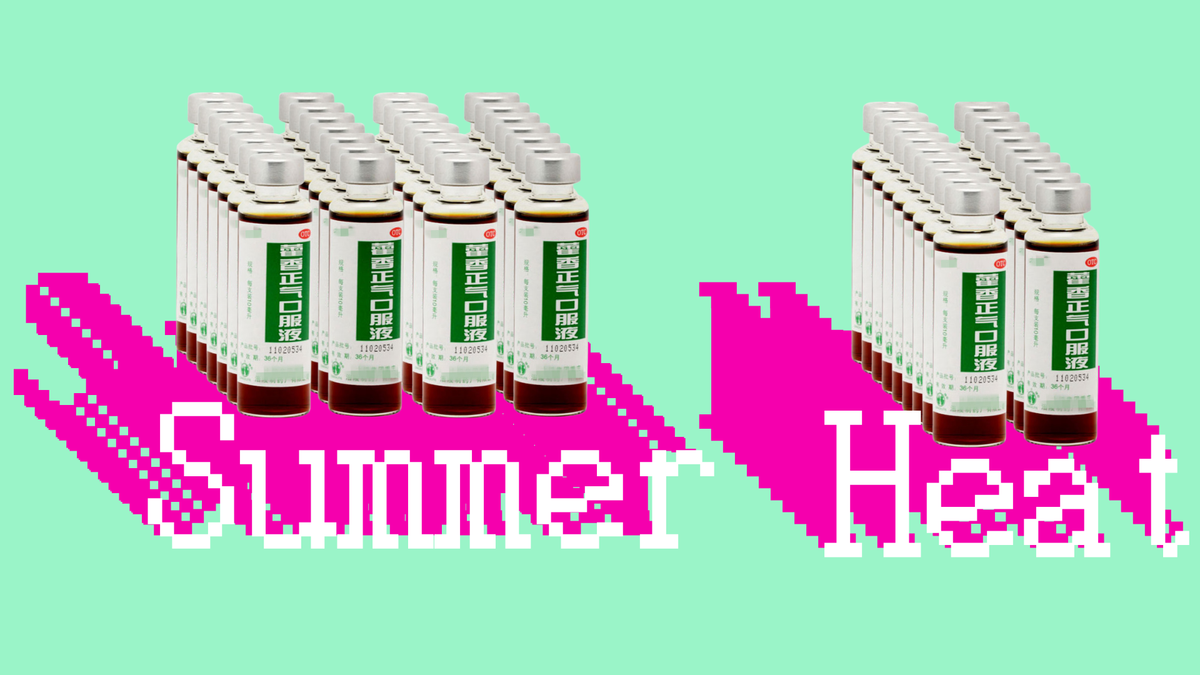
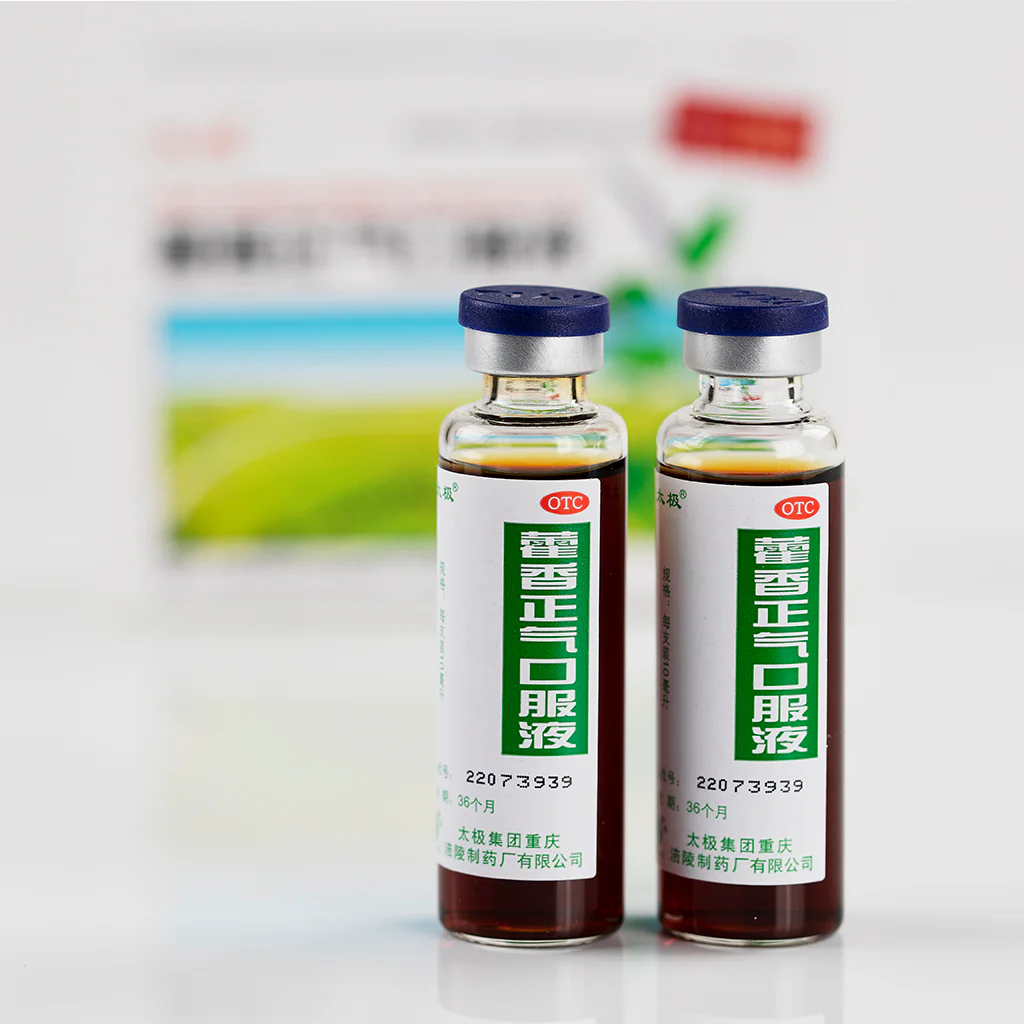
Desperate, they texted me for help. Instead of standard Western painkillers, I opened a local app and had a $3 box of a hyper-local Chinese remedy delivered straight to their hotel: HuoXiang ZhengQi Shui (藿香正气水).
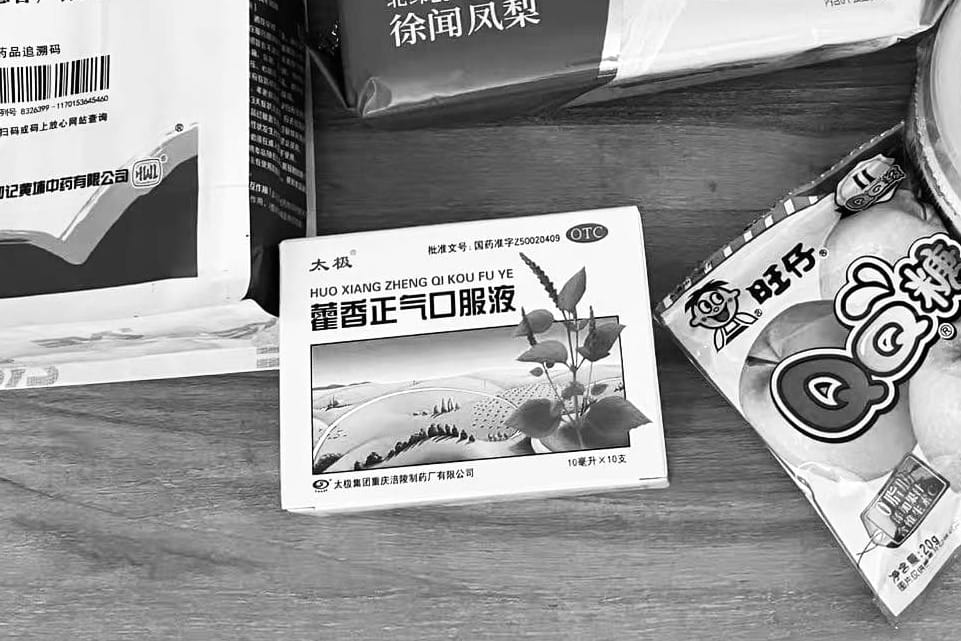
He drank one tiny brown vial. Within minutes, his sinuses cleared, his dizziness vanished, and his energy levels spiked. That afternoon, he was walking briskly through the massive crowds at the Terracotta Army, breathing completely freely.
By the end of the trip, they had finished a whole box, crowned me a travel deity, and bought an extra pack to fly back home with them.
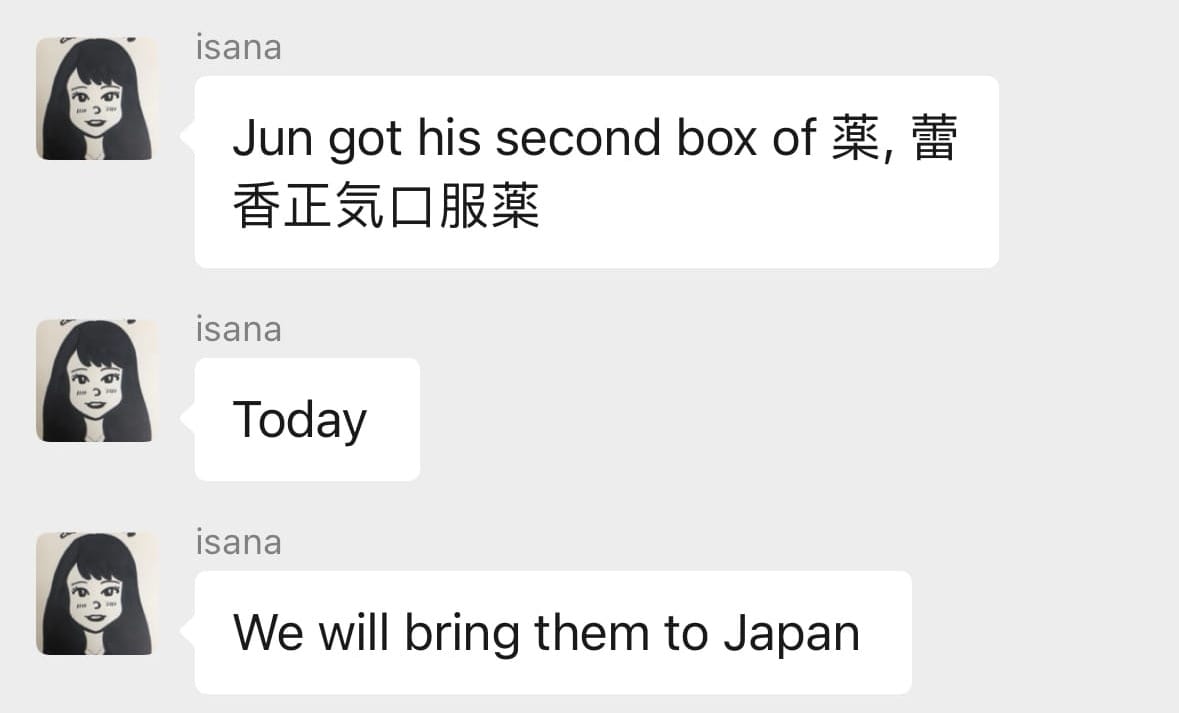
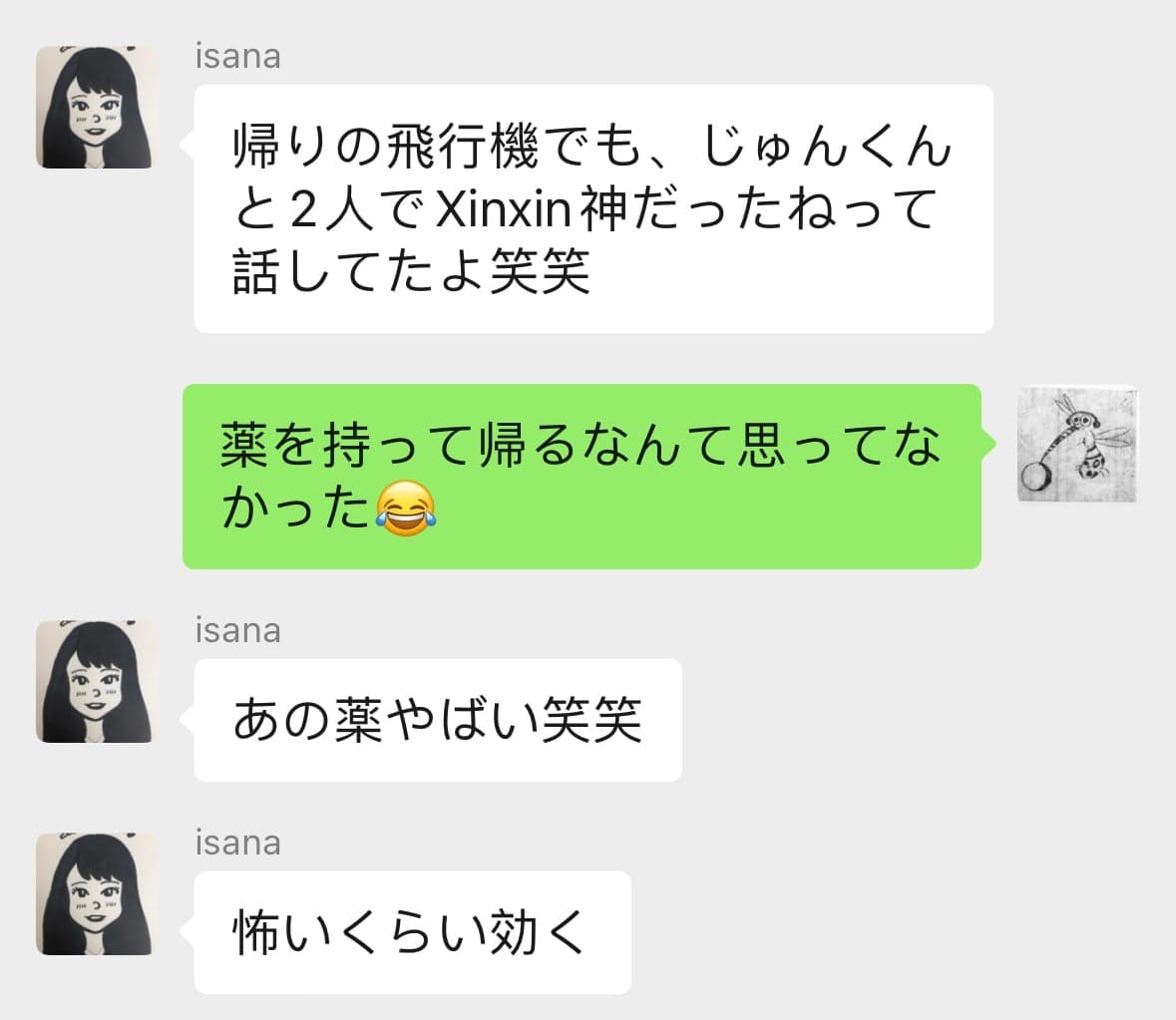
Before you pack your bags, here is how you can use this local wisdom to navigate China's summer climate and keep your adventure on track.
1.The Reality of China’s Summer Climate: A Regional Breakdown
China is roughly the size of the United States or Europe; the summer weather varies wildly depending on where your high-speed train takes you.
- The Humid East & South (Shanghai, Hangzhou, Guangzhou, Shenzhen): June brings the Meiyu (Plum Rain) season—a heavy, unrelenting humidity where the air feels wet and your clothes never quite feel dry. By July and August, temperatures sit between 35°C–39°C (95°F–102°F) with a sticky, sauna-like feel.
- The "Furnace" Basins & Plains (Xi'an, Chongqing, Wuhan, Changsha, Nanjing): Historically known as the "Four Furnaces" of China, these inland cities trap heat. Temperatures regularly break 40°C (104°F) in July and August. It is a dry, heavy, and intensely baking heat.
- The Cool Escapes: If you despise the heat, consider routing your trip through Yunnan (Kunming, Dali, Lijiang), Guizhou, or high-altitude regions like Qinghai, Tibet, or northern Xinjiang. These areas stay comfortably in the mid-20s (°C) all summer.
- Typhoon Season Warning (July – September): Coastal provinces (Guangdong, Fujian, Zhejiang, and Shanghai) regularly experience summer typhoons. Expect sudden, torrential downpours and occasional high-speed rail or flight delays. Pack flexible itineraries and quick-drying footwear.
- The Crowd Factor: July and August coincide with Shujia—the national student summer break. Major landmarks will be incredibly crowded. The local strategy: hide out in air-conditioned malls, bookstores, or museums during the peak afternoon heat (2 PM – 5 PM), and do your heavy exploring at night when the vibrant night markets (Ye Shi) take over the streets.
2.How to Deal with Heat Illness in China
The Real Enemy: The "AC vs. Heat Shock" & Summer Colds
The biggest health trap for international travelers in China isn't actually the outdoor sun—it’s the temperature rollercoaster. Constantly stepping out of the summer heat into a freezing 20°C (68°F) shopping mall, taxi, or hotel lobby puts immense stress on your immune system.
This sudden thermal shock violently disrupts your body, triggering instant sinus issues, headaches, and nausea—what locals call a "summer cold" ( 热伤风;Rè Shāng Fēng). This is exactly where HuoXiang ZhengQi Shui steps into the spotlight.
It is a trusted, centuries-old herbal liquid formula designed specifically to "dispel summer dampness" and regulate your system. If you start showing early signs of heatstroke, drinking a vial quickly will rapidly reduce that miserable, lightheaded dizziness. It also acts as an emergency fix for sudden gastrointestinal distress—perfect if your stomach is throwing a tantrum after a mix of spicy night-market street food and ice-cold beers. Interestingly, many females have also found it surprisingly effective at soothing cold-induced menstrual cramps.
Keep in mind that HuoXiang ZhengQi is the name of the standard formula, not a single brand. You will see many different packaging designs and versions across various pharmacies in China, but don't worry—their active herbal ingredients and effectiveness are virtually the same.
⚠️ A Quick Note on Ingredients: This is a potent herbal blend containing patchouli (Huo Xiang), perilla leaf, licorice, and tangerine peel. The traditional "Shui" (水) version contains around 40% alcohol, so avoid driving right after taking it, and never take it if you are currently on Cephalosporin antibiotics. If you are sensitive to alcohol or dislike intense, bitter tastes, simply ask for the non-alcoholic version: "HuoXiang ZhengQi Wan" (藿香正气丸). Down it like a quick medicine shot—it tastes unapologetically harsh, but it works immediately!
How to Buy Medicine in China (and Delivery Cart Fillers)
You do not need a prescription to buy this heatstroke remedy, and a box costs about $3 USD.
- The Concierge or Local Pharmacy Route: Walk into any local pharmacy (药店 - Yàodiàn), easily spotted by a green cross on almost any street block. Alternatively, head straight to your hotel front desk—many keep a basic summer first-aid kit and will hand you a vial for free if you show them this phrase:
📋 Show this text to your hotel front desk or pharmacist:
- The App Delivery Hack: If you are feeling too sick or dizzy to leave your room, open Alipay or WeChat on your phone. Search for the Meituan (美团) or Taobao Instant Delivery (淘宝闪购) mini-programs in the top search bar, and type in
藿香正气水.
Most delivery apps have a minimum order fee of 20–40 RMB ($4–$7 USD). Since the potion is cheap, toss these iconic local summer remedies into your digital cart to hit the threshold:
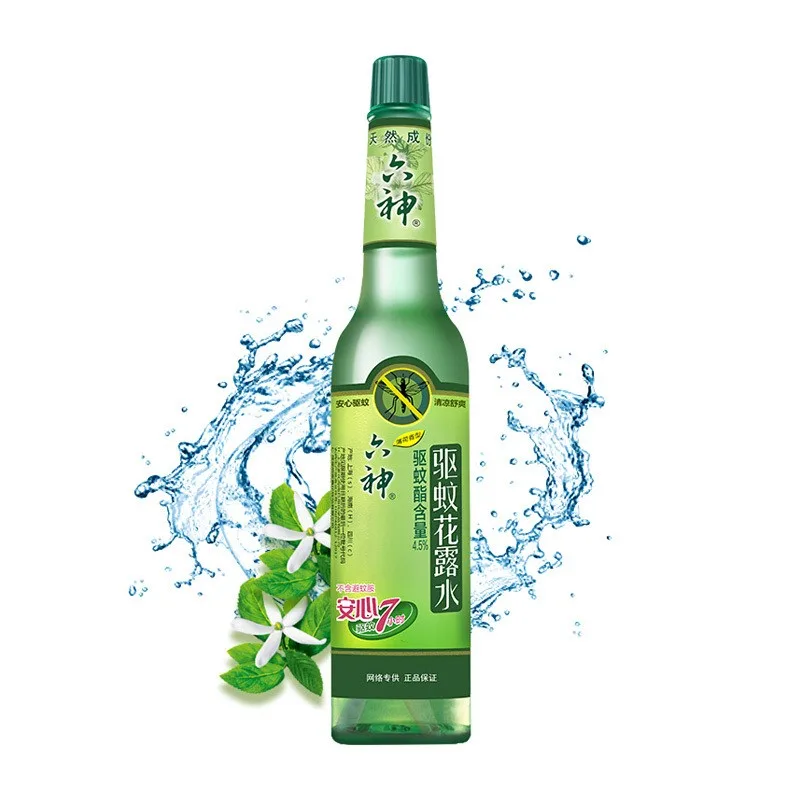
- Liushen Mosquito Repellent "Toilet Water" (六神驱蚊花露水): Don't let the translation fool you—this isn't for the bathroom! "Toilet water" (Hualushui) is a legendary, distinctly scented cooling cologne that every Chinese household owns. The classic green glass bottle by the brand Liushen (六神) is packed with herbal extracts. Spray it on your legs after a long walk; the evaporating alcohol and menthol provide an instant, icy freeze while keeping aggressive summer mosquitoes completely at bay.
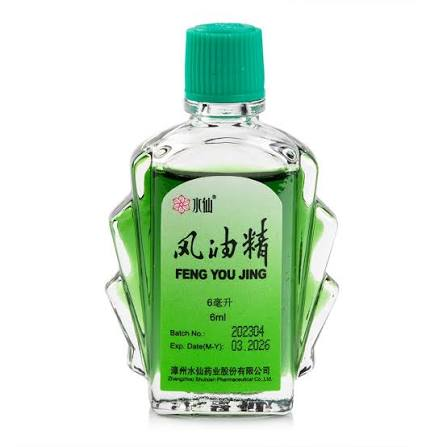
- Feng-you-jing (风油精): A tiny green glass bottle of concentrated camphor and menthol. Dab a drop on your temples to instantly kill a headache, or rub it on mosquito bites to stop the itch.
3.China Summer Packing List: The "Hard Sun-Protection" Guide
To survive the midday heat before you even land, you need to adapt your packing strategy. In the West, sun protection is usually chemical (layering on liquid sunscreen). In China, sun protection is treated like an elite physical sport known as "Hardcore Sunblocking" (硬核防晒).
If you want to stay perfectly comfortable during long walking tours, here is what you should add to your China summer packing list before you fly out:
1. UPF 50+ Sun Jackets & Arm Sleeves
Instead of exposing skin to the sun, locals cover up with ultra-lightweight, breathable, full-coverage UV hoodies. Brands like Beneunder (蕉下) are very popular lately for their high-tech, ice-cooling fabrics. Packing a thin, high-quality UPF jacket will keep the blazing rays entirely off your skin without making you sweat.
2. UV-Blocking Compact Umbrellas
While Westerners view umbrellas strictly as rain gear, holding a specialized black-lined UV parasol on a scorching sunny day is a literal lifesaver in China. It creates a portable patch of personal shade that instantly drops the perceived temperature by a few degrees. Do not feel self-conscious walking around with one—everyone from teenagers to grandmas does it.
3. Smart Footwear for Typhoon Season (July – September)
If you are visiting coastal regions like Shanghai, Zhejiang, or Guangdong, summer brings occasional typhoons and sudden, torrential downpours. Pack lightweight, quick-drying mesh sneakers or stylish waterproof sandals so a sudden puddle won't ruin your day.
4. Hydration and Beating the Crowds
July and August coincide with Shujia—the national student summer break. Major landmarks will be incredibly packed. Plan to hide out in air-conditioned mega-malls, local bookstores, or museums during the peak blistering hours (2 PM – 5 PM).
When you need a drink, skip plain water and grab a golden can of Liangcha (凉茶 - Herbal Cooling Tea) like Wong Lo Kat (王老吉) from any convenience store to lower your internal body heat. When the sun goes down, do exactly what the locals do: head out into the cooler evening air to enjoy China's legendary night markets, outdoor barbecues, and vibrant street life.
4.Emergency Checklist in China
| Scenario / Need | Local Solution & Action | Digital Hack & Keywords |
Severe Medical Emergency (Unconscious, severe injury, chest pain) | Call 120 (Ambulance) Call 110 (Police / Backup help) Note: 112 works on global roaming but redirects to local operators. | Tell the operator or a local: "Jiù Mìng! (救命!)" (Help!) "Qu hīyuàn! (去医院!)" (Take me to a hospital!) |
Finding a Physical Pharmacy (Minor illness, heat exhaustion, bug bites) | Look for the Green Cross sign on any street block. Most open 8 AM - 10 PM. For late-night needs, look for the "24h" glowing sign or a small night-window (Yèjiān shòuyào). | Search Pharmacy or 药店 in Apple Maps, Amap (高德), or Baidu Maps. |
Instant Medicine Delivery (Too sick or dizzy to leave your hotel room) | Order directly to your hotel lobby via delivery apps built into your payment platform. | Open Alipay / WeChat ➔ Search Meituan (美团) mini-program ➔ Tap Medicine (看病买药). |
Going to a Hospital ER (Need to see a doctor immediately) | Head straight to the Emergency Room (急诊 - Jízhěn) of any major public hospital. It’s 24/7 and very affordable. | For English-speaking staff, search for International Medical Center or International Wing of top public hospitals. |