When a Chinese is asked by an American - "What do you think is freedom?"
What does freedom mean? Over crispy Dongpo Rou and a walk up Wushan Hill, an American traveler and I unpacked a side of China you won’t find in any guidebook.


“What do you think is freedom?”
Ethan, my American guest, asked me this with disarming bluntness. He was perhaps the most delightfully assertive client I had ever met—a man with an absolute obsession for controlling his own attention.
He loved asking questions and steering the dialogue. At times, the line between guide and explorer blurred so beautifully that I couldn't tell who was leading whom.
American Guest: I'm An Optimist
Ethan comes from a valley town in the American Mountain West. Back home, he has a beautiful, expansive yard overlooking vast, rugged mountains—the kind of landscape that evokes the ancient Chinese poetic imagery of "the long river framing a round, setting sun."
As we hiked up Wushan Hill, peering through the dense forest at the white walls and black tiled roofs of Qinghefang below, he observed: “The vegetation here is so lush and thriving, but it looks like every resource has to be meticulously planned and allocated.”
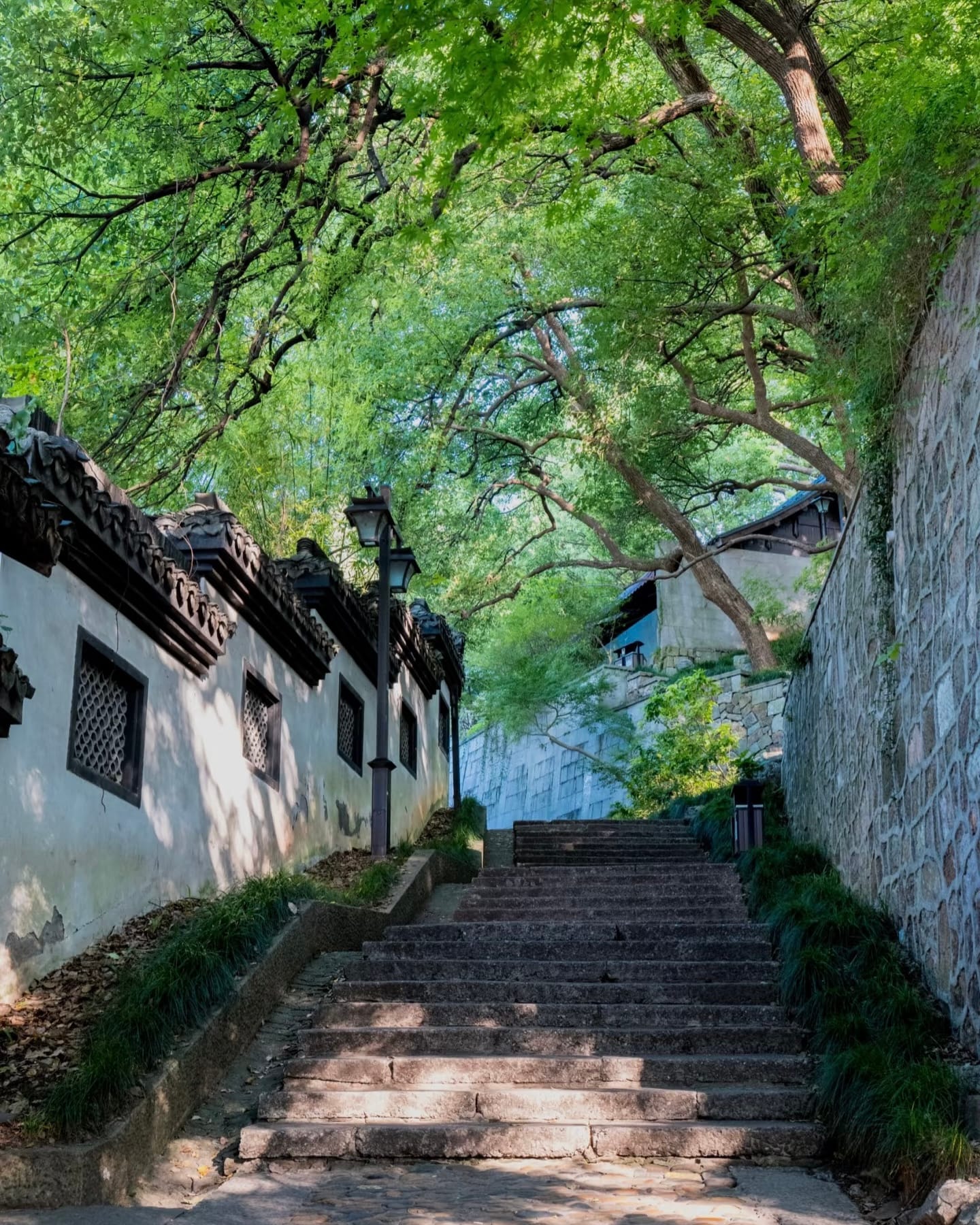
A stone pathway winding up through a lush, dense green forest on Wushan Hill in Hangzhou
He continued, “Where I come from in America, whatever you plant in the earth just grows. You clear the land as you please; you harvest as you please. The entire universe just opens itself up to you.”
As a Chinese who studied decolonial thoughts in Amsterdam, my understanding of colonial history had always been a moralizing perspective - a rogue’s gallery of villains and exploiters.
Yet, listening to Ethan, that grand narrative dissolved into a deeply personal, subjective perspective: a band of mismatched Protestants in the Old World of Europe, casting away everything they knew, enduring months at sea, and gambling their entire lives on a vast unknown. And the earth rewarded them with boundless generosity.
You plant corn, you get corn; you plant poppies, you get poppies; you dig for gold, you find gold. You harvest, you trade, you build, you expand, and you ride across an infinite horizon. The entire universe opens itself up to you.
Because of this, Ethan said, Americans have been optimists for eight generations. Without a streak of blind optimism—the kind that allows you to place such massive wagers on life—the America of today would simply not exist.
And My Life Has Been Fun
Yet, his own life had been far from easy; before turning forty, it was a restless, hard-fought journey.
In his early twenties, he wanted to be a wandering troubadour, earning his keep in the kitchen of a pizza parlor. Eventually, tired of building someone else's dream, he opened his own bakery—a move that mirrors a massive trend among contemporary Chinese youth.
Eager to escape the corporate grind, a whole generation of 'lifestyle entrepreneurs' is fueling a cafe boom across megacities like Shanghai, Hangzhou, Guangzhou, and Chengdu. Today, Shanghai’s coffee shop density has expanded so radically that it has even overtaken Paris.
Bloomberg | Why Shanghai Is the World's Most Compelling Coffee City
“But I just couldn't stomach waking up at five every morning,” Ethan admitted. So, he walked away from the poetry, and he walked away from the bakery.
In his early thirties, he discovered a new talent: long-track speed skating. He competed in numerous national championships across the U.S. and actually managed to make a living out of it for a time.
It wasn't until his late thirties that, through a strange twist of fate, he transitioned into the corporate world. Today, he serves as the head of information security and compliance for a global outdoor and sports brand. It is a role that keeps him flying across the globe to manage international tech operations.
“Last month I was in India. A few days ago, I was visiting an inland Chinese province to see their local digital infrastructure. And today, I am here.”
As he spoke, we were sitting in the second courtyard of Hu Qing Yu Tang (胡庆余堂)—a magnificent late Qing Dynasty commercial complex built in the shape of a crane. Sunlight washed over the herbal garden below.
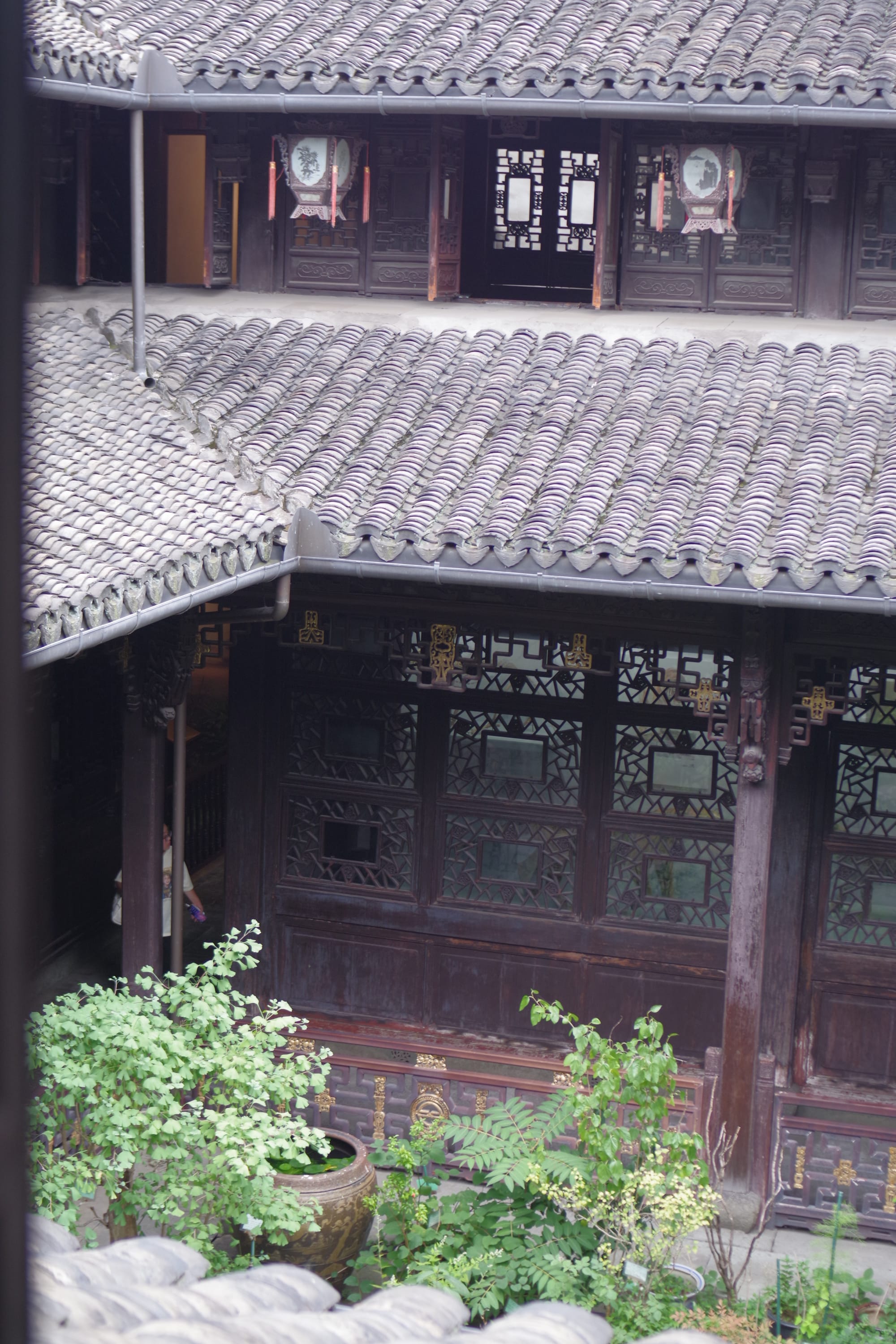
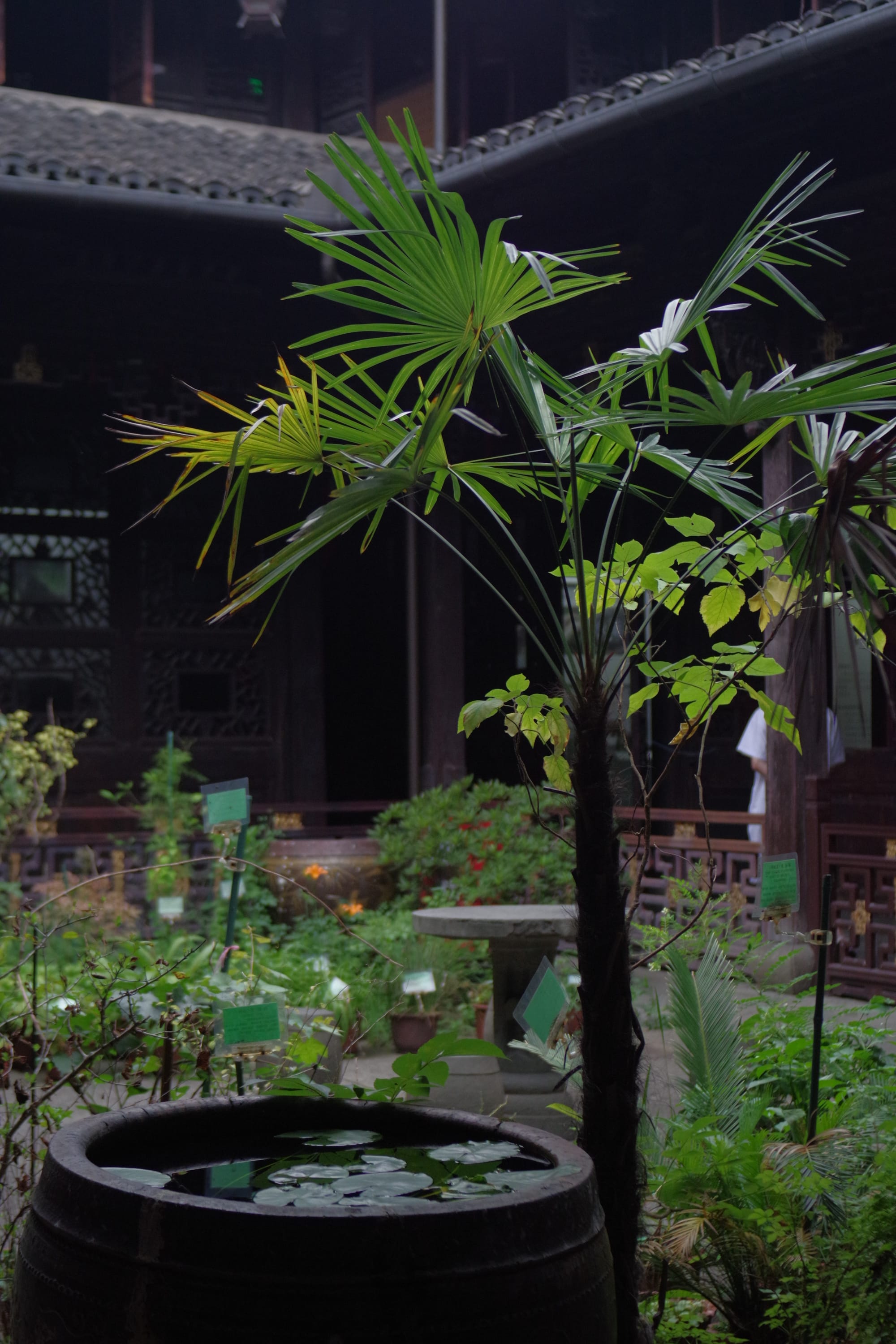
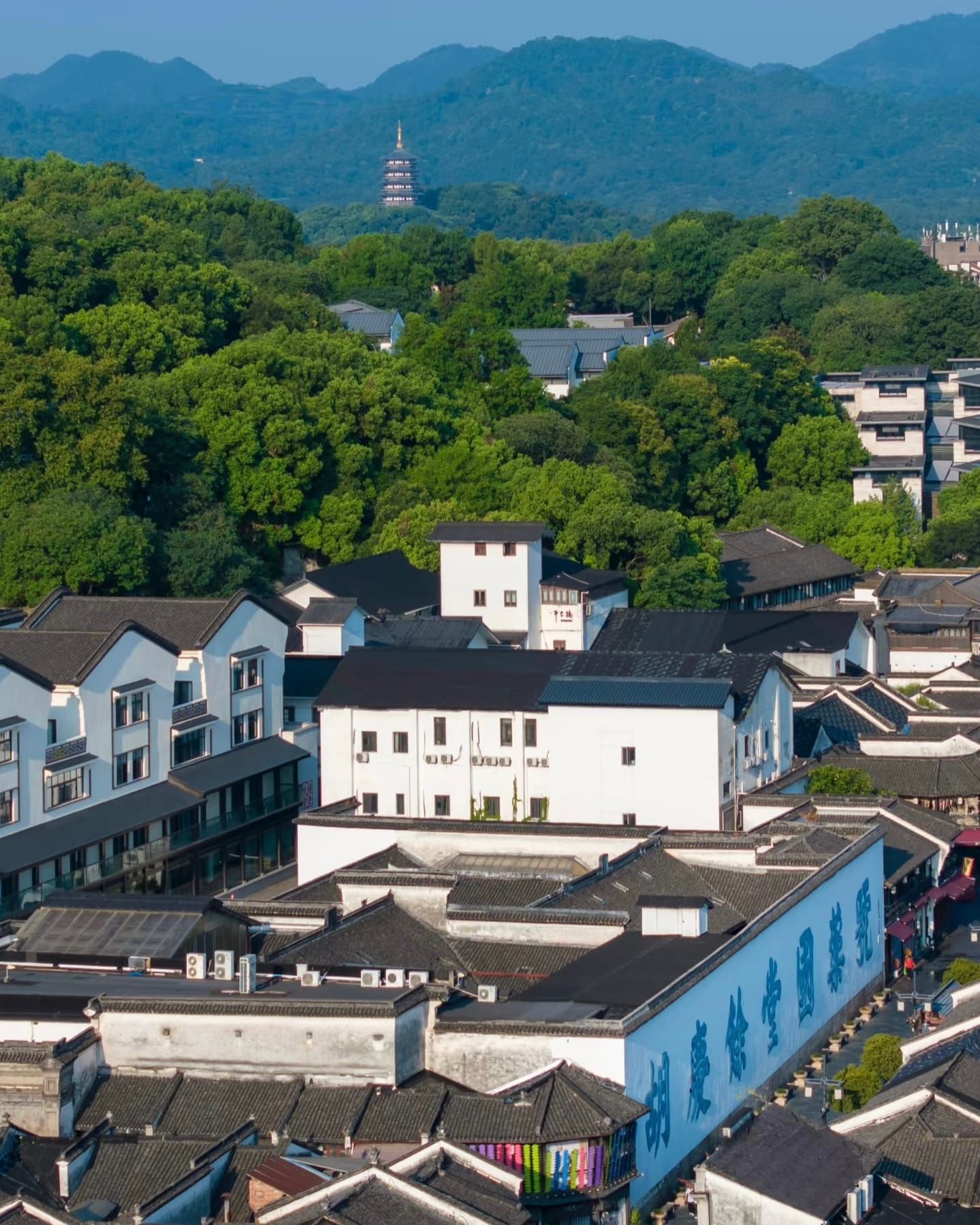
Intricate wooden courtyards with living medical herbs and traditional architecture of Hu Qing Yu Tang in Hangzhou
“What a life! To my twenty-year-old self, this current life would have been unimaginable. I often wake up now and forget which country I'm even in.”
The Three-Layer Freedom for a Chinese
“Every time I visit a new place, I always ask the locals what freedom means to them,” Ethan added.
It is a question that can either open up a profound dialogue or instantly derail into an ideological landmine, especially given the stereotypical Western perception of China. Recognizing Ethan's genuine openness, however, I bypassed the usual diplomatic filters and gave him my honest answer.
I told him that for me, freedom exists in three distinct layers:
1st Layer: Free from wars and famines.2ndLayer: Free from power suppression.3rd Layer: Free from survival-driven incentives, allowing you to pursue whatever you truly want.
Ethan listened, and then commented on the first layer: “You’ve given the most uniquely Chinese answer possible.”
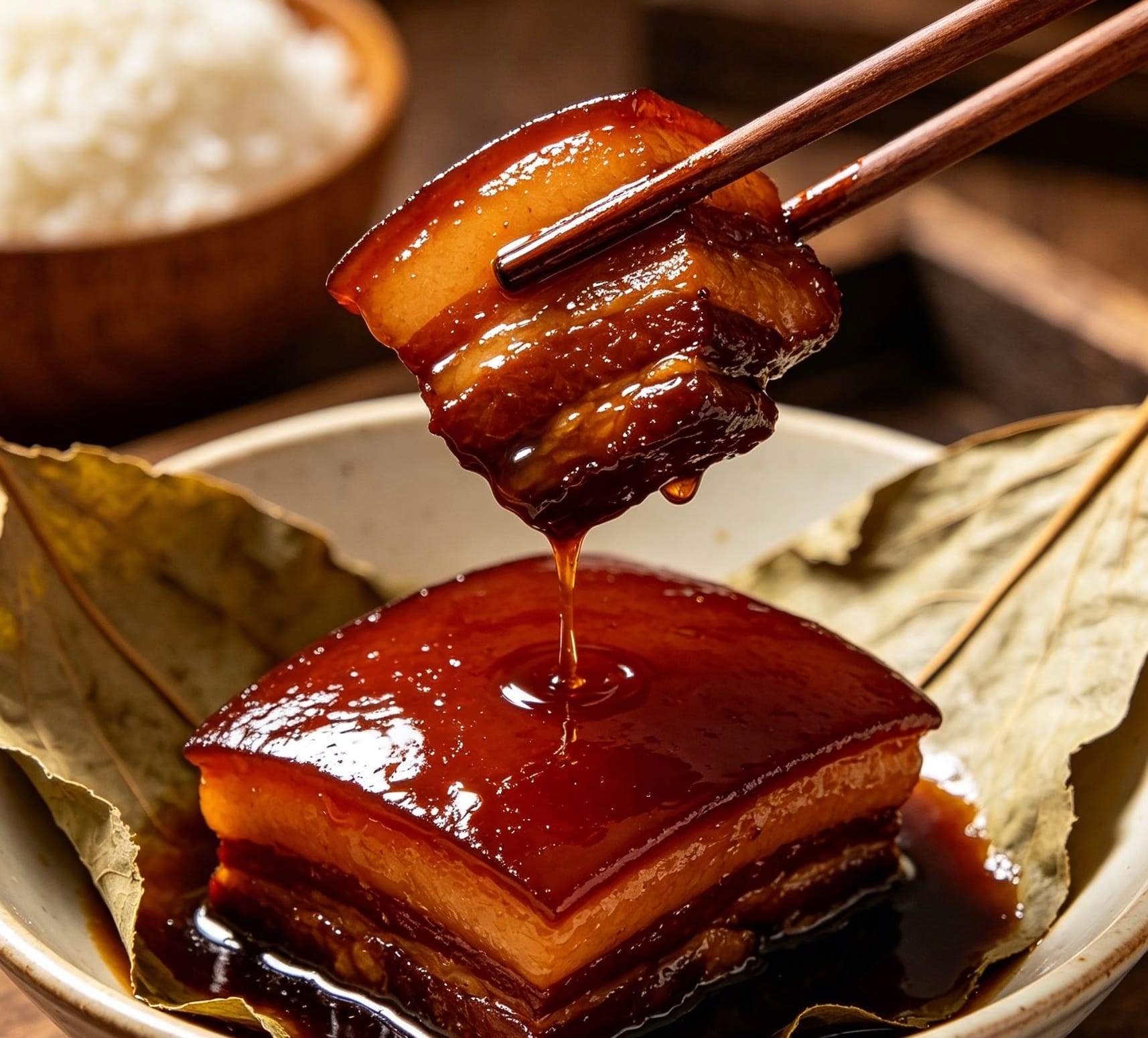
After a few seconds of reflection, chewing on a big chunk of Dongpo Rou—Hangzhou’s signature dish of slow-braised pork belly, caramelized to a glossy, mahogany glaze in Shaoxing wine and dark soy sauce until it is melt-in-your-mouth tender—Ethan commented that he understood.
"The trauma of war and poverty runs incredibly deep in the intergenerational memory of modern China. But for Americans, there hasn't been a war fought on our own soil in over a century. We forgot the bitter taste of domestic turmoil long ago."
Then, he began to self-reflect. He noted that the American gun culture looks bizarre to Chinese and European eyes because the historical context of each region is so vastly different. “So why,” he mused, “do Americans always insist on using their own yardstick to measure everything that happens in China?”
I asked Ethan about the most memorable answers he had received to this question elsewhere.
He recalled a Mexican traveler who said freedom meant being free from drug trafficking—the defining crisis of their recent decades.
A German traveler told him they wanted to be free from interpersonal relationships. When you are alone, life is simple and direct; but the moment you connect with others, complications and entanglements arise, and your freedom vanishes.
It’s hard to imagine that specific answer coming out of anyone who isn't German.
It truly is a case of Zeitgeist—the collective national spirit, as Hegel described it.
When Hegel Meets Hangzhou City God
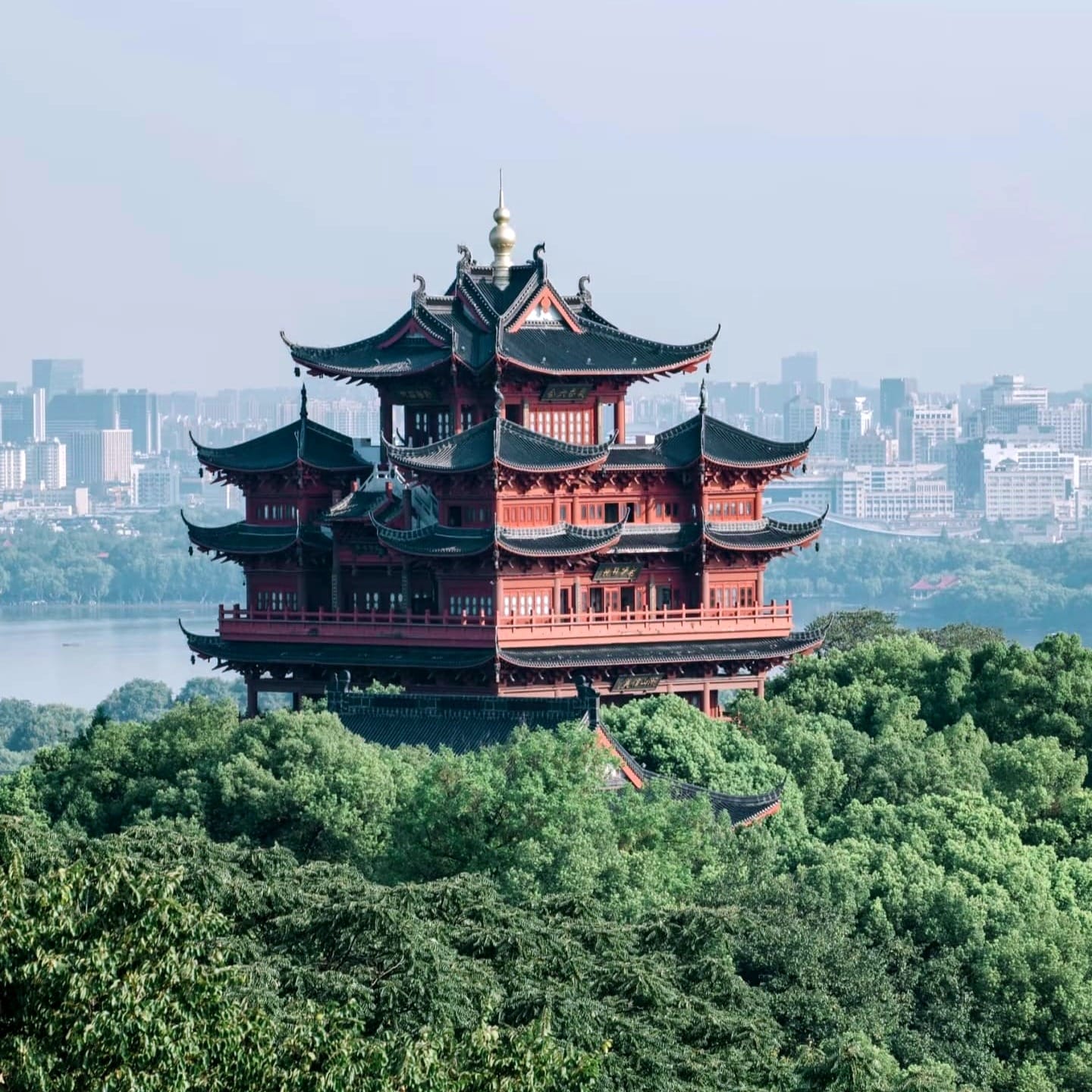
Coincidentally, we had encountered this very word Zeitguist on the first floor of the City God Temple (城隍庙; Chenghuang Temple).
It was a bizarre sight, to say the least: a heavy German philosophical term sitting right there in the middle of a museum panel in Hangzhou. Most visitors would have walked right past it, but the curator had used Zeitgeist in an English description to capture the bustling, exquisite street culture of the Southern Song Dynasty.
When Ethan and I spotted it, we shared a knowing smile. It felt like a subtle, cosmic joke—a bridge between European high philosophy and the soul of ancient Hangzhou, waiting for us to decode it.
Standing there, Ethan and I both agreed that freedom is entirely contextual, redefined by whatever primary contradiction a society is wrestling with.
In our current world, material security forms the unnegotiable basement of all liberty, followed by the second layer—the inevitable friction of class and power that governs all human production. But we mused that perhaps a grand upgrade awaits us: once AI automates the heavy lifting of global production, humanity might finally unlock that elusive third layer—a freedom stripped of survival, dedicated entirely to pure spiritual and creative worth.
When I mentioned that the City God Temple was dedicated to a "local god," Ethan instantly grasped the meaning. Every piece of land has its local god; it’s just that many cultures have forgotten them. Especially in America, where whatever you plant grows, the earth feels as though it has no temper. Honoring a local deity reflects an ancient human effort to coexist in harmony with heaven, earth, and nature.
Climbing to the top of the grand pavilion, we looked out over West Lake, which revealed itself in endless, captivating romance.
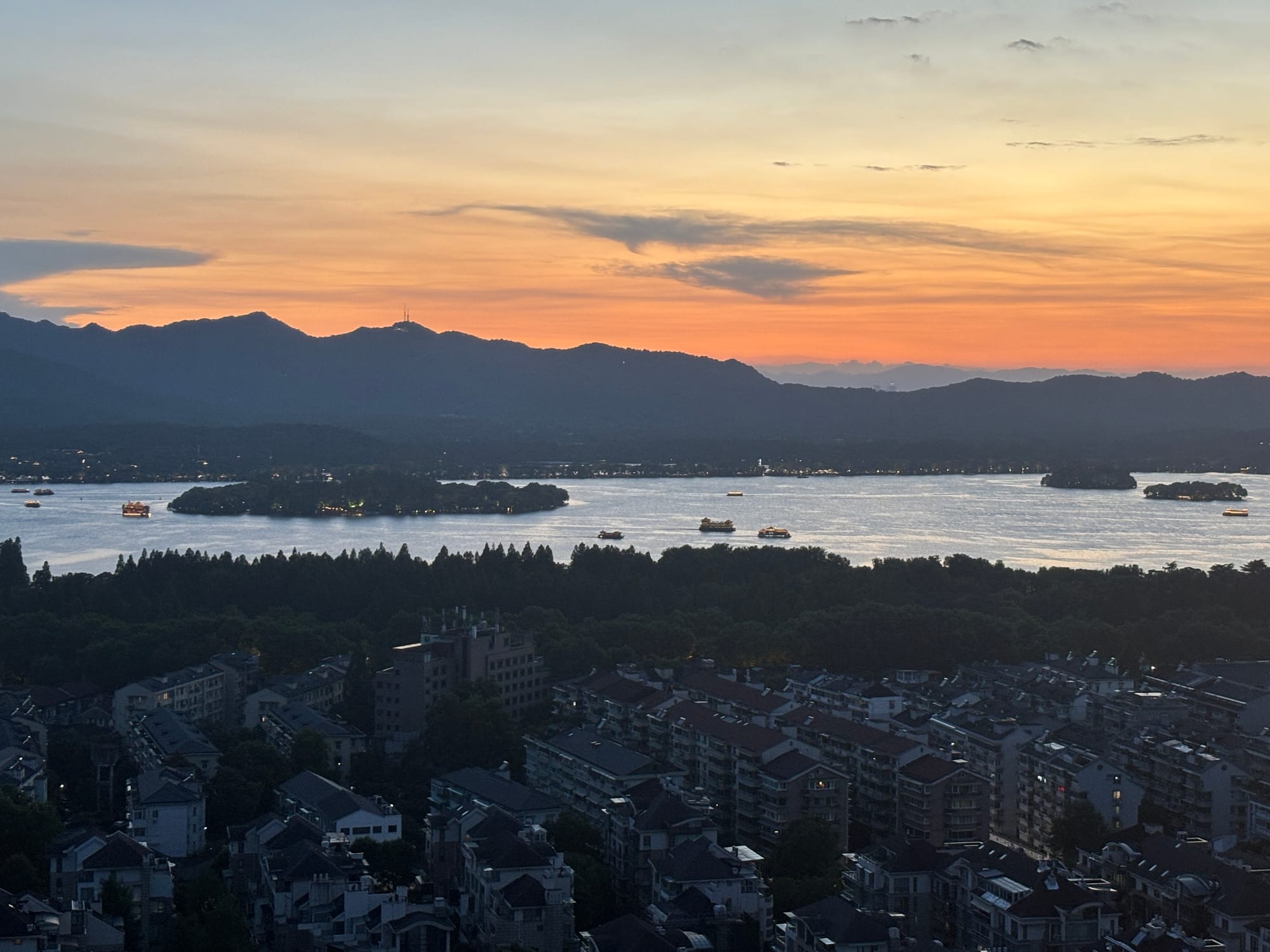
Ethan said he didn't want to leave. He still couldn't quite believe the life he was living.
The world had opened itself up completely before him.
Preview this Hangzhou Neighborthood Walking Tour on our YouTube Channel!
Preview this Hangzhou Neighborthood Walking Tour on our YouTube Channel!